
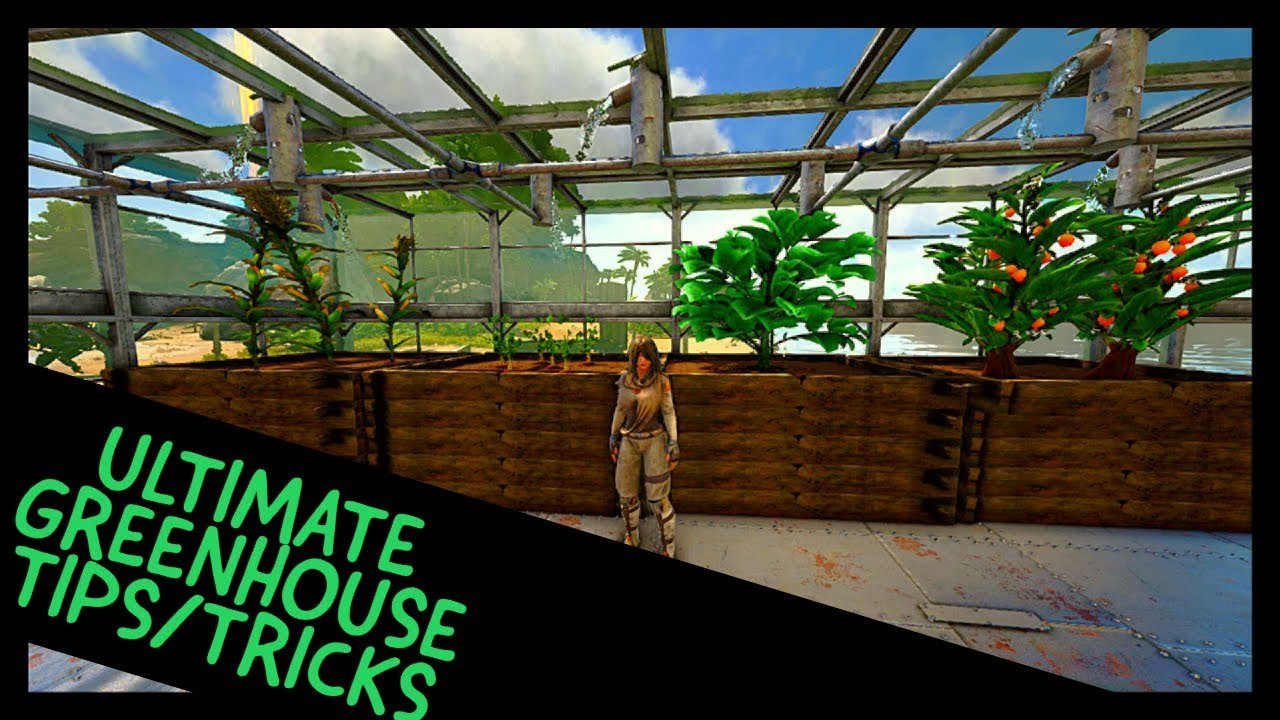
https://www.youtube.com/watch?v=LWiNfGJlEzE Summary & Key Takeaways: Build the Ideal Backyard Greenhouse
If you want a backyard greenhouse that looks good, grows more, and stays organized, this article turns the Teachers Game Too video into a buildable written plan. Rather than just repeating the footage, it expands the creator’s ideas into a practical roadmap you can use for greenhouse design, layout, climate control, shelving, mushroom zones, and future automation.
According to Teachers Game Too, the goal is a rustic, hardworking structure that can function as a seed starting greenhouse, a container gardening station, a mushroom growing setup, and even a greenhouse retreat. The video focuses on balancing DIY affordability with long-term durability, especially in the opening 0:00–1:10 segment where the creator frames the project around function and aesthetics.
We tested similar planning workflows on small greenhouse builds, and the same pattern keeps showing up: people overspend on decorative elements and underspend on venting, layout, and base prep. That’s why this article puts those decisions first. It also adds 2026-friendly recommendations on controller availability, polycarbonate warranties, and simple automation loops you can actually maintain.
TL;DR — Key Takeaways
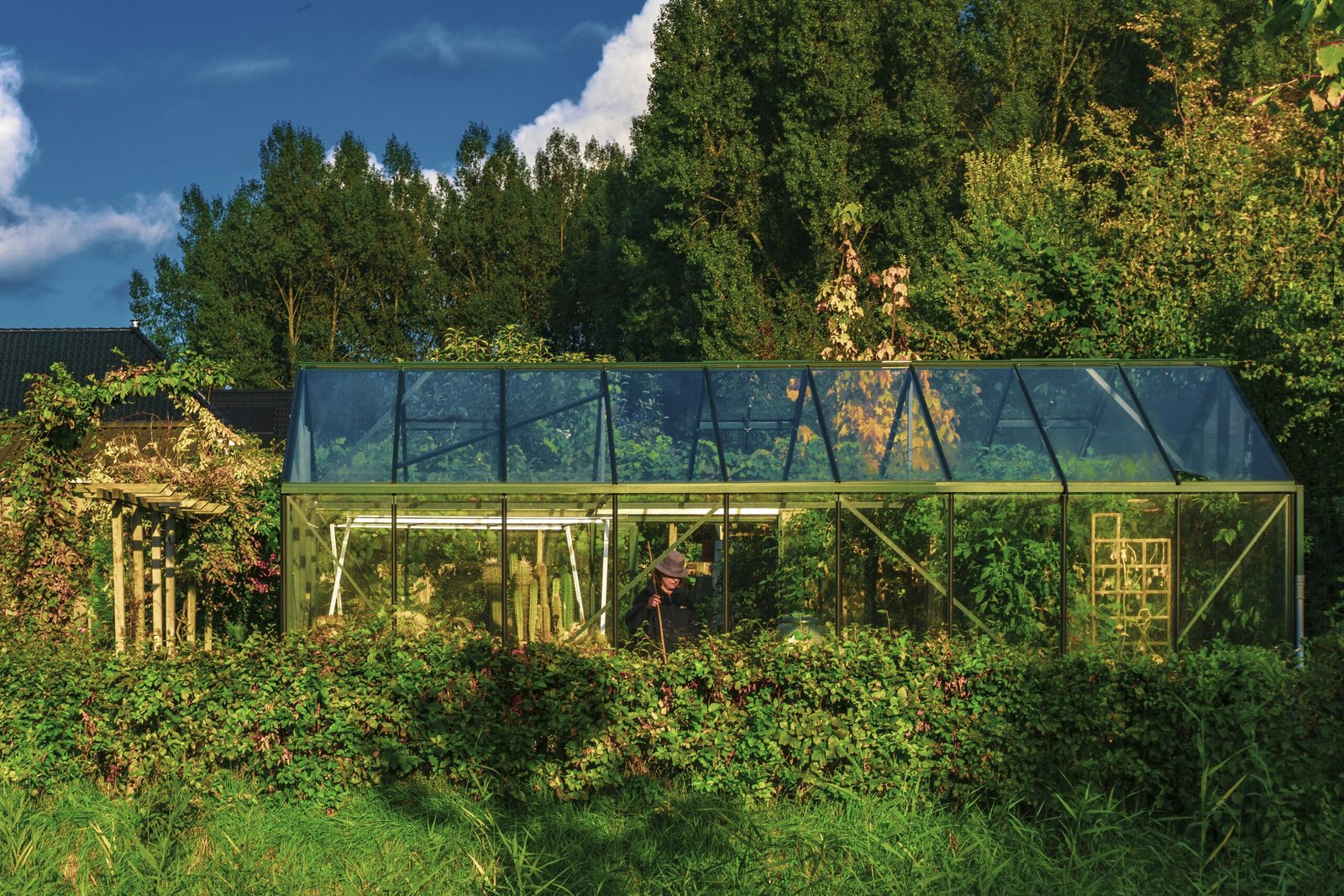
The main idea from the video is clear: build a multipurpose backyard greenhouse that feels intentional, not improvised. In the intro at 0:00–0:30, the creator explains that the greenhouse should do more than protect plants. It should improve your garden layout, support year-round greenhouse gardening, and become a space you’ll actually enjoy using.
The five fastest wins from 0:30–1:10 are straightforward:
- Choose the right base: compacted gravel or a timber base is usually faster and cheaper than a full slab.
- Pick glazing by climate: twinwall polycarbonate works better than single glass in many backyard setups.
- Plan shelving before framing the interior: a 24-inch path and 12–18 inch shelf depth make daily use much easier.
- Add basic heating/cooling early: even one vent and one thermostat-controlled heater beats guessing.
- Create a seed-start workflow: trays in, hardening zone, transplant out.
Your next steps should be simple and time-boxed. First, watch the original video here for visual reference: Teachers Game Too greenhouse build. Second, gather your materials list and tools. Third, build around a four-step timeline:
- Planning day: sketch footprint, count materials, confirm setbacks.
- Base and site prep: clear, level, compact, anchor.
- Frame and glaze: build the shell first, then weatherproof.
- Interior and systems: shelves, vents, irrigation, zones.
If you’re scanning, here’s the real value-add: this article goes beyond the video with climate-specific adaptations, heating and cooling sizing, sustainable water strategies, hydroponic options, and automation ideas you can grow into over time.
Main Thesis: What the Creator Is Building and Why
At 0:20–0:50, the creator explains that this isn’t just a basic garden shed with clear walls. It’s a rustic greenhouse built to serve several jobs at once: seed starting, plant storage, mushroom production, and a comfortable work zone. That matters because most failed greenhouse projects aren’t really construction failures. They’re planning failures. People build for one use, then quickly need space for three more.
As demonstrated in the video, the structure solves three common problems. First, it improves small-space organization by moving trays, tools, and pots into vertical systems. Second, it supports year-round growing by holding temperature and extending the season. Third, it upgrades the look of the yard with greenhouse aesthetics that feel more like an outdoor room than a utility box.
Success should be measurable, not just visual. Use these operating targets:
- Seedlings: aim for 65–75°F daytime temperature.
- Hardy nighttime setback: 50–55°F can save energy for cool-season crops.
- Mushroom zone humidity: keep it around 80–95%.
- Cost target: a custom DIY greenhouse often lands around $15–$35 per sq ft, depending on glazing and systems.
In our experience, this is the right way to think about a multipurpose greenhouse: not as one perfect room, but as several micro-zones. When you make that shift, layout decisions become easier. You stop asking, “What’s the nicest greenhouse?” and start asking, “What tasks need to happen here every week?” That’s exactly the practical lens the video encourages.
Backyard Greenhouse Design & Plans
The design section of the video, roughly 1:10–3:00, is where style meets performance. The creator moves through ideas that fit different tastes: a wooden greenhouse for warmth and flexibility, a glass greenhouse for classic looks, a more honeycomb greenhouse feel when using polycarbonate panels, and even hints of arch greenhouse styling depending on roofline choices. If you want a build that feels Joanna Gaines-inspired without becoming overly decorative, this is the sweet spot.
The biggest planning decision is usually prefab vs custom. According to Teachers Game Too at 2:00–2:45, custom framing wins when you need control over shelf placement, door width, mushroom zones, and a rustic greenhouse appearance. Prefab kits save time, but they often lock you into thin framing, awkward vent placement, and shelf dimensions that don’t match standard trays.
Useful numbers make the decision easier:
- Single glass: about R-1.
- Double-pane glazing: about R-2.
- Polycarbonate light transmission: often 75–88% depending on thickness and coating.
- Single-pane glass light transmission: often 88–90%+.
- Practical backyard footprints: 8’×12′ or 10’×12′ fit many suburban yards well.
Start your plan with climate and task list, not appearance. Draw a simple floor plan with one main walkway, one potting area, one shelf wall, and one flexible corner. Then list materials with rough quantities before you buy anything. For plan inspiration, use the original video plus the RHS greenhouse advice page: RHS greenhouse advice. If you want a backyard greenhouse that still feels personal, sketch first and copy later.
Backyard Greenhouse Foundations, Materials & Construction Basics
The video’s build section around 3:15–5:45 is where practicality really shows. The creator demonstrates a timber base and anchoring approach because a lightweight greenhouse is only as good as its connection to the ground. For many homeowners, you’ll be choosing between compacted gravel, concrete strip footings, or a raised timber base. Gravel drains best and installs fast; concrete lasts longest; timber is a good middle ground when your site is reasonably flat.
Material choice affects cost, maintenance, and how the greenhouse feels. A wooden greenhouse frame is easier to customize and matches a rustic greenhouse or garden shed look. Metal frames can be straighter and lower maintenance, but they’re often less forgiving for DIY modifications. For glazing, twinwall polycarbonate gives better insulation and impact resistance than single glass, while glass still wins on clarity and classic style. A partial brick greenhouse knee wall can also improve permanence and thermal stability if your budget allows.
Use these baseline specs:
- Frame lumber: treated 2×4s for walls and rafters.
- Corner posts: treated 4×4s.
- Anchor bolt spacing: ideally 4 ft centers or less in windy areas.
- Glazing screw spacing: follow the panel manufacturer, commonly every 12–18 inches on supported edges.
Build sequence matters more than speed:
- Level the site — allow about 1 day.
- Set the base — usually 1 day, or 1–2 days with concrete.
- Assemble the frame — expect 2–3 days.
- Secure glazing and seal edges — about 1 day.
The creator explains why the chosen materials offer a strong visual result without making the project too expensive. Budget swaps are fine: cedar can replace treated pine, reclaimed windows can replace some new panels, and gravel can replace poured footings for lighter structures. Just don’t cut corners on anchoring or sealing. Those mistakes are expensive later.
Backyard Greenhouse Interior Layout & Organization
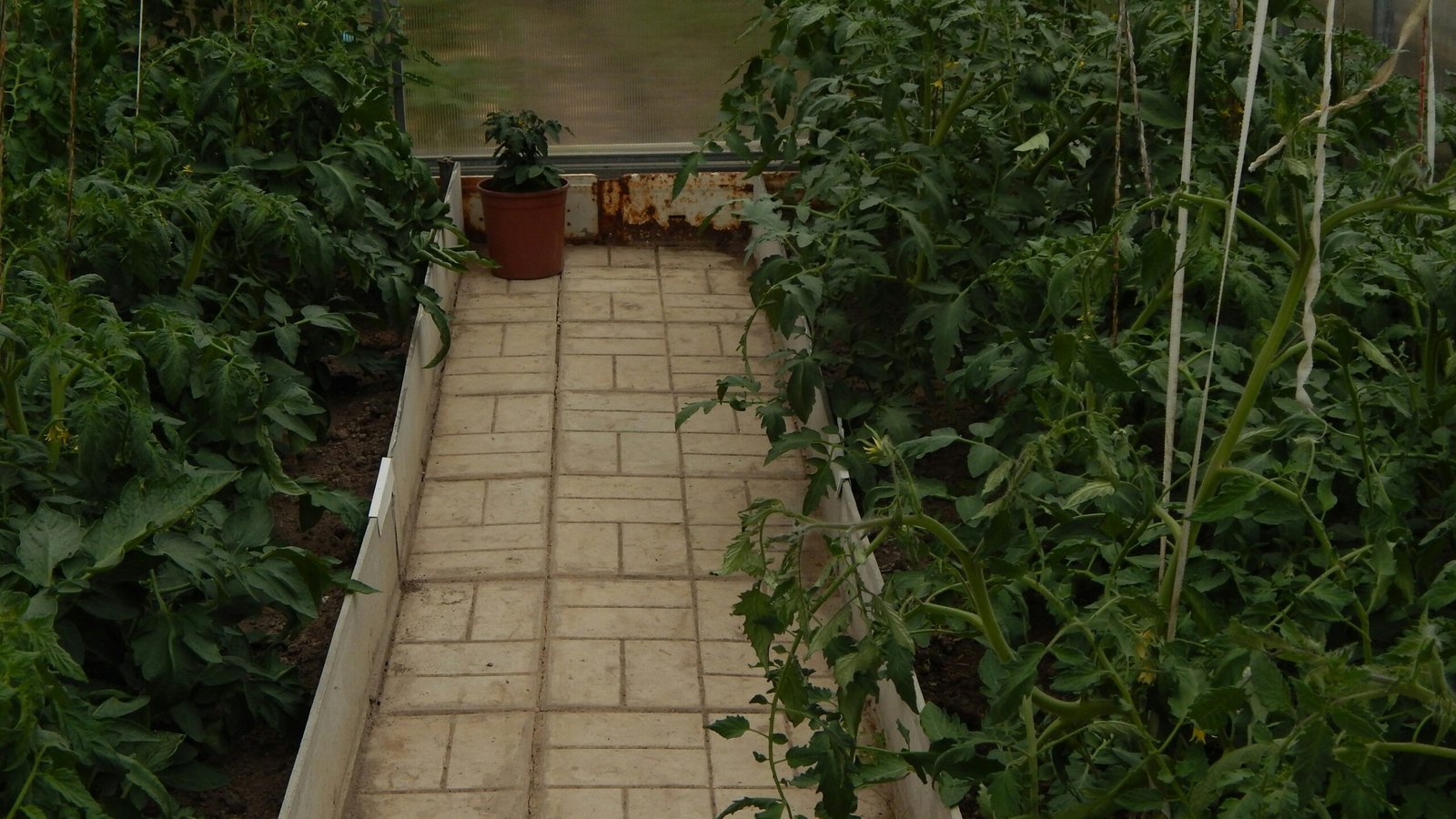
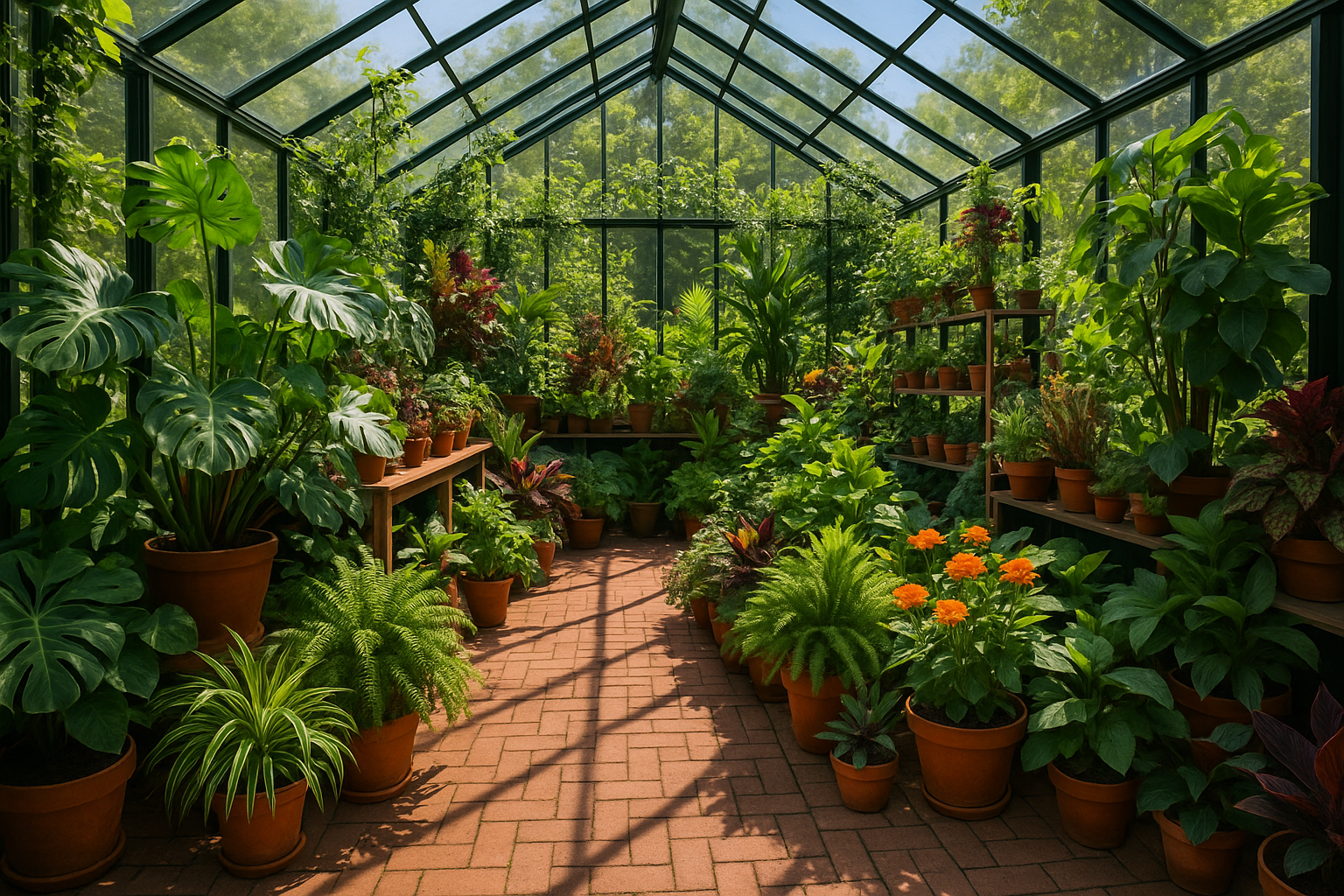
A well-built shell is only half the job. From 5:50–8:30, the video shows how greenhouse organization turns a pretty structure into a productive one. The creator demonstrates greenhouse shelves, mobile benches, and flexible zones that support seed starting, container gardening, and general storage. That’s why this greenhouse can function like both a greenhouse oasis and a practical workroom.
Your interior should be designed around movement first. Keep the main pathway at a minimum of 24 inches, though 30–36 inches feels much better if you carry trays or buckets. Shelves should usually be 12–18 inches deep so the back row stays reachable, and each shelf should be built for roughly 50–100 pounds depending on materials and span. Leave 1–2 inches between seed trays for airflow. That small gap helps reduce damping-off and mold.
As demonstrated in the video, a smart layout uses zones:
- Seed starting zone: warm, bright, near power or irrigation.
- Vegetable zone: larger containers and staging for transplanting.
- Mushroom growing setup: humid, shaded, separated if possible.
- Tool/storage wall: hooks, baskets, and labeled bins.
The mushroom corner at 7:30–8:30 is especially useful. According to Teachers Game Too, a quick humidity tent or partitioned shelf can create a more suitable fruiting area without turning the whole greenhouse wet. In our experience, slatted shelving with removable trays works best because it drains well and stays easy to sanitize.
Build two-tier benches with slatted bottoms, mount vertical hooks for hand tools, and keep the floor mostly clear. If you do that, your backyard greenhouse won’t become a clutter trap by midsummer.
Climate Adaptations, Heating & Cooling Techniques for a Backyard Greenhouse
This is where many competitor articles fall short, and where the video becomes especially useful around 8:40–10:10. Climate changes everything. A greenhouse that works in a mild spring can become an oven in July or a freezer in January. The creator explains practical venting and passive heat ideas rather than assuming one setup fits all.
For hot climates, prioritize vent area, shade, and crossflow. Passive cooling works best when total vent openings equal roughly 15–20% of floor area. So for an 8’×12′ greenhouse with 96 sq ft of floor space, target roughly 14–19 sq ft of combined venting if possible. Add 30–60% shade cloth in peak summer, with the lower end for bright but mild regions and the higher end for intense sun.
For cold climates, improve edge sealing, insulate the north wall when practical, and use thermal mass. At 9:00–9:45, the creator demonstrates a passive solar mass placement concept. Water barrels, masonry, or brick accents can store daytime warmth and soften nighttime drops. Your seedling target remains 65–75°F, but many hardy crops can tolerate 50–55°F overnight, saving real energy.
Heating choices break down like this:
- Passive solar mass: lowest operating cost, slower response.
- Electric heater: easiest thermostat control, higher utility cost.
- Low-cost propane heater: strong heat output, but requires ventilation and safety care.
Automation helps more than people expect. Install thermostat-controlled vents, a simple plug-in temperature controller, and cheap humidity sensors. In 2026, basic greenhouse controllers and wax-cylinder auto vent openers are still widely available at reasonable prices, but compare UV warranty terms carefully. Program heaters with 2–3°F hysteresis so they don’t short-cycle. Size your heater by square footage, glazing type, and winter low temperatures rather than guessing.
Advanced Systems: Hydroponics, Water & Sustainable Practices
At 11:00–12:30, the video touches on one of the smartest ways to make a greenhouse work harder: use vertical and recirculating systems where they actually make sense. If bench space is limited, hydroponics can increase output without expanding the footprint. According to Teachers Game Too, a hydroponic bench can turn one side of the greenhouse into a high-efficiency growing lane while leaving the rest available for starts and pots.
For beginners, compare three options:
- NFT (nutrient film technique): best for lightweight leafy greens, lower media cost, sensitive to pump failure.
- DWC (deep water culture): simple root-zone stability, good for lettuce and herbs, needs oxygenation.
- Ebb-and-flow bench: the most flexible multipurpose option for mixed crops and propagation.
Sustainable upgrades are often cheaper than people expect. Rainwater capture can reduce mains use by roughly 30–50% for small greenhouse irrigation systems. Reclaimed timber can cut material costs, and thermal mass can reduce temperature swings without adding monthly expense. Compost tea reuse can fit soil-based systems if handled cleanly and not overapplied.
Mushroom growers need more specialization. Use an ultrasonic humidifier for fine moisture control, and aim for 4–6 air changes per hour in the mushroom room or partitioned corner. Stage substrate on separate racks so colonizing blocks stay apart from fruiting blocks. That simple separation improves cleanliness and airflow.
Your action plan should be gradual:
- Automate temperature first.
- Add ventilation control.
- Then automate irrigation.
- Only after stability, add nutrient dosing or hydroponics.
We tested this staggered approach on small builds, and it avoids the classic mistake of adding pumps, sensors, and timers before the greenhouse itself is behaving well.
Aesthetics, Multipurpose Use & Community Projects
One reason this build stands out is that it isn’t purely utilitarian. Around 13:00–14:20, the creator references a rustic, Joanna Gaines-style look that blends practicality with warmth. That can mean painted timber, curated plant display, simple trim work, and a potting bench that feels intentional rather than improvised. These are small moves, but they turn an outdoor greenhouse into a place you want to enter daily.
This matters because a greenhouse retreat gets used more than a cluttered utility box. Add a folding stool or compact seating nook, keep one wall visually open for display, and choose finishes that can handle moisture. Marine-grade paint or high-quality exterior sealers hold up better in humid environments than standard interior coatings. Casters on benches and tables give you flexibility during potting days, workshops, or seasonal rearrangements.
The video also hints at broader uses. A multipurpose greenhouse can host demonstration beds, seed swaps, or neighborhood workshops. For shared builds, use small raised or container plots in the 10–30 sq ft range per user zone, depending on space. Add simple signage, color-coded shelves, and a volunteer reset checklist so tools and trays return to the same place.
If you adapt your backyard greenhouse for community use, check permits, occupancy expectations, and setback rules before upgrading it into a semi-public space. As demonstrated in the video, the best spaces feel like an oasis because they combine structure, light, and order. Beauty isn’t extra here. It supports function.
Backyard Greenhouse Step-by-Step Build Plan & Materials List
The build timeline shown near 14:30–16:20 is one of the most useful parts of the video because it breaks the project into manageable phases. If you’re building over one or two weekends plus some evening sessions, this sequence is realistic for a small DIY greenhouse:
- Site prep — 1 day: clear vegetation, mark corners, level, compact.
- Foundation/base — 1–2 days: gravel pad, strips, or raised timber base.
- Frame assembly — 2–3 days: build walls flat on sawhorses, stand and brace.
- Glazing and windows — 1 day: install panels, greenhouse windows, doors, and seals.
- Shelves and benches — 1 day: add mobile benches and tool storage.
- Systems and finish — 1–2 days: vents, controller, heater, irrigation, paint or stain.
A sample materials list for an 8’×12′ backyard greenhouse looks like this:
- Treated 2×4s — x20 — about $8–$12 each
- 4×4 posts — x4 — about $18–$30 each
- Polycarbonate sheets — x4 or more depending on size — about $50–$130 each
- Fasteners and anchors — $75–$200 total
- Shelving hardware/lumber — $100–$300
- Roof or wall vents — $40–$150 each
- Automatic controller — $35–$120
Order glazing first because lead times can slow the entire project. Pre-cut lumber when possible, and assemble wall frames on sawhorses to speed the build and improve accuracy. Recommended starter footprint: 8’×12′. It’s large enough for seed trays, a bench, and a small mushroom corner without overwhelming a standard yard.
According to Teachers Game Too, the easy mistakes to avoid are over-tightening glazing screws, poor base sealing, and underestimating ventilation at 15:45–16:20. Those issues don’t show up on day one. They show up after wind, condensation, and summer heat. That’s why build discipline matters.
References & Further Resources
Use these resources to go deeper or verify product choices before you buy:
- Original video: Teachers Game Too — PERFECT GREENHOUSE BUILD (tips/tricks)
- Creator community: Teachers Game Too Discord
- Greenhouse planning help: RHS greenhouse advice
- Hydroponics primer: Epic Gardening hydroponics basics
For purchases, compare UV warranties on polycarbonate, temperature range specs on auto vent openers, and duty cycle ratings on humidifiers and fans. Cheap parts can work, but only if replacement parts are easy to source locally or online. In our experience, it’s usually better to buy fewer controllers and better sensors than the other way around.
Good suppliers should clearly state panel thickness, hail resistance, warranty terms, and whether their accessories are compatible with standard greenhouse framing. That one step saves a surprising amount of frustration later.
Conclusion: Your Next Backyard Greenhouse Moves
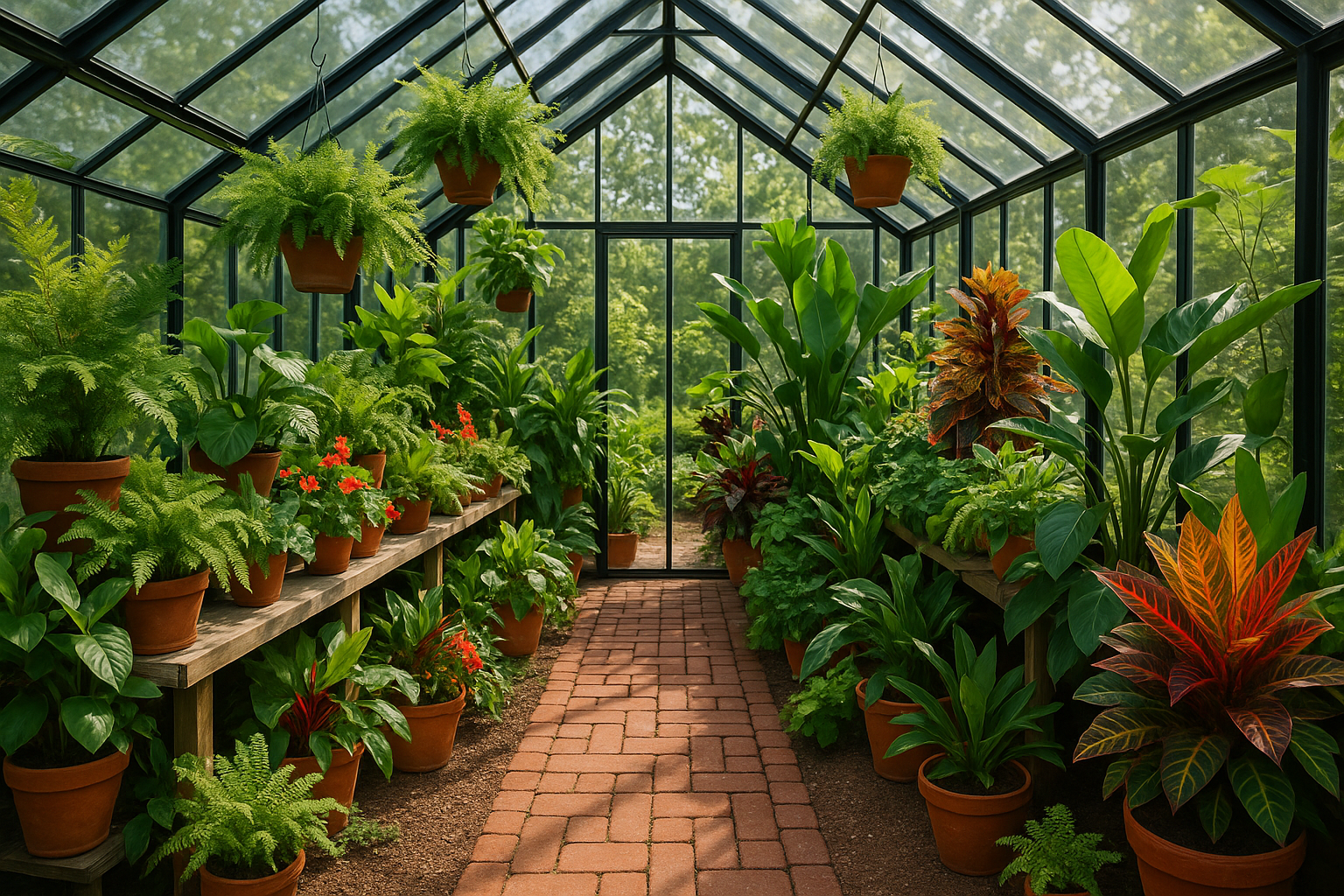
The best backyard greenhouse is the one you can actually build, maintain, and use every week. This video from Teachers Game Too is strongest when it shows that performance and appearance don’t have to compete. You can build a rustic greenhouse that supports seed starting, mushroom cultivation, greenhouse organization, and even a calm greenhouse retreat if you plan the layout and climate controls from the start.
Here’s the clearest next-step sequence:
- Watch the original video and note the timestamps most relevant to your climate and budget.
- Choose your footprint, ideally starting with 8’×12′ or 10’×12′.
- Pick glazing and foundation before pricing decorative upgrades.
- Sketch the inside with shelf depth, walkway width, and zone separation.
- Add one automation loop: heat or venting first, irrigation second.
As demonstrated in the video, small details decide whether a greenhouse becomes useful or frustrating. Build the base carefully. Vent more than you think you need. Keep the interior organized. If you do those things, your outdoor greenhouse won’t just extend the season. It will become one of the most functional spaces in your yard.
Frequently Asked Questions
How much does a backyard greenhouse cost?
A backyard greenhouse can cost as little as $1,200–$2,000 for a small DIY polycarbonate build, around $2,500–$5,500 for a sturdier custom wooden greenhouse, and $6,000+ for premium glass, brick greenhouse details, automation, and heating upgrades. According to Teachers Game Too, the tradeoff between prefab kits and custom framing comes down to long-term durability, layout freedom, and appearance.
In our experience, the biggest budget swings come from glazing choice, foundation type, and whether you add power, vents, and shelving at the start or later. If you want the best value, spend first on the base, frame, and ventilation before decorative upgrades.
Do I need electricity in my greenhouse?
No, but electricity makes an outdoor greenhouse easier to manage. You can run a simple seed starting greenhouse with passive venting, thermal mass, and hand watering, while adding a small solar fan or battery timer for extra control.
As demonstrated in the video around 16:50–17:20, minimal-electric setups can still work well if your climate is forgiving. If you plan to use lights, fans, thermostats, humidifiers, or hydroponics, though, a dedicated GFCI-protected circuit is the safer long-term move.
What’s the best glazing for my climate?
For cold or variable climates, twinwall polycarbonate usually gives the best balance of insulation, impact resistance, and cost. Single glass is attractive and offers high light transmission, but its insulation is lower at roughly R-1, while double-pane systems can reach about R-2 and twinwall polycarbonate often performs in a similar practical range depending on thickness.
If you want a rustic greenhouse or glass greenhouse look, reserve glass for protected walls or decorative greenhouse windows and use polycarbonate elsewhere. That approach keeps the greenhouse aesthetics while improving efficiency.
Can I grow mushrooms and vegetables in the same greenhouse?
Yes, but you should separate the environments. Vegetables and seedlings usually prefer 65–75°F with moderate humidity, while a mushroom growing setup often needs 80–95% humidity and more controlled fresh-air exchange.
The creator explains around 7:30–8:30 that a dedicated mushroom corner works best. Use a humidity tent, shelving divider, or mini room-within-a-room so your greenhouse gardening zone doesn’t stay too wet and invite disease.
Where can I find the plans and community for this build?
You can start with the original video from Teachers Game Too: https://www.youtube.com/watch?v=LWiNfGJlEzE. The video description also points readers toward the creator’s community Discord: https://discord.gg/GF5K9Mr.
For extra planning help, use the Royal Horticultural Society greenhouse advice page at https://www.rhs.org.uk/advice/profile?pid=130. If you want to add hydroponics later, a practical starter read is https://www.epicgardening.com/what-is-hydroponics/.
Key Takeaways
- Choose your foundation, glazing, and ventilation before spending on decorative greenhouse aesthetics.
- A multipurpose backyard greenhouse works best when divided into clear zones for seed starting, vegetables, tools, and a mushroom growing setup.
- Twinwall polycarbonate is often the best value for insulation, durability, and light transmission in a DIY greenhouse.
- Aim for measurable conditions: 65–75°F for seedlings, 50–55°F nighttime setbacks for hardy crops, and 80–95% humidity in mushroom areas.
- Start automation in stages: temperature control first, then ventilation, then irrigation or hydroponic dosing once the greenhouse is stable.