
Quick Verdict — Greenhouse plastic shed
Affiliate disclosure: This review contains affiliate links. If you purchase through them, we may earn a commission at no extra cost to you.
Greenhouse Plastic Shed Green House for Plants, Greenhouses for Outdoors Outside Heavy Duty Prefab House Garden Shed Aluminum Frame Polycarbonate Panels, 50.4″x97.6″x75.6″ — Good choice if you want affordable, weather-resistant plant protection in a compact footprint.
Current Amazon price: Please check the live listing for today’s price (the feed provided to us listed $0.00, which is clearly not the live selling price). Value vs. build: aluminum frame + galvanized base + 0.16″ twinwall polycarbonate generally deliver stronger durability than soft-cover kits at a modest premium.
Amazon data shows a visible star rating and verified review count on the product page; customer reviews indicate assembly takes time but the structure feels sturdy once the base is square and anchored. If you need a fast take: buy if you’ll prep the base and want a rigid small greenhouse; consider alternatives if you face heavy snow/wind or need more space.

Product overview
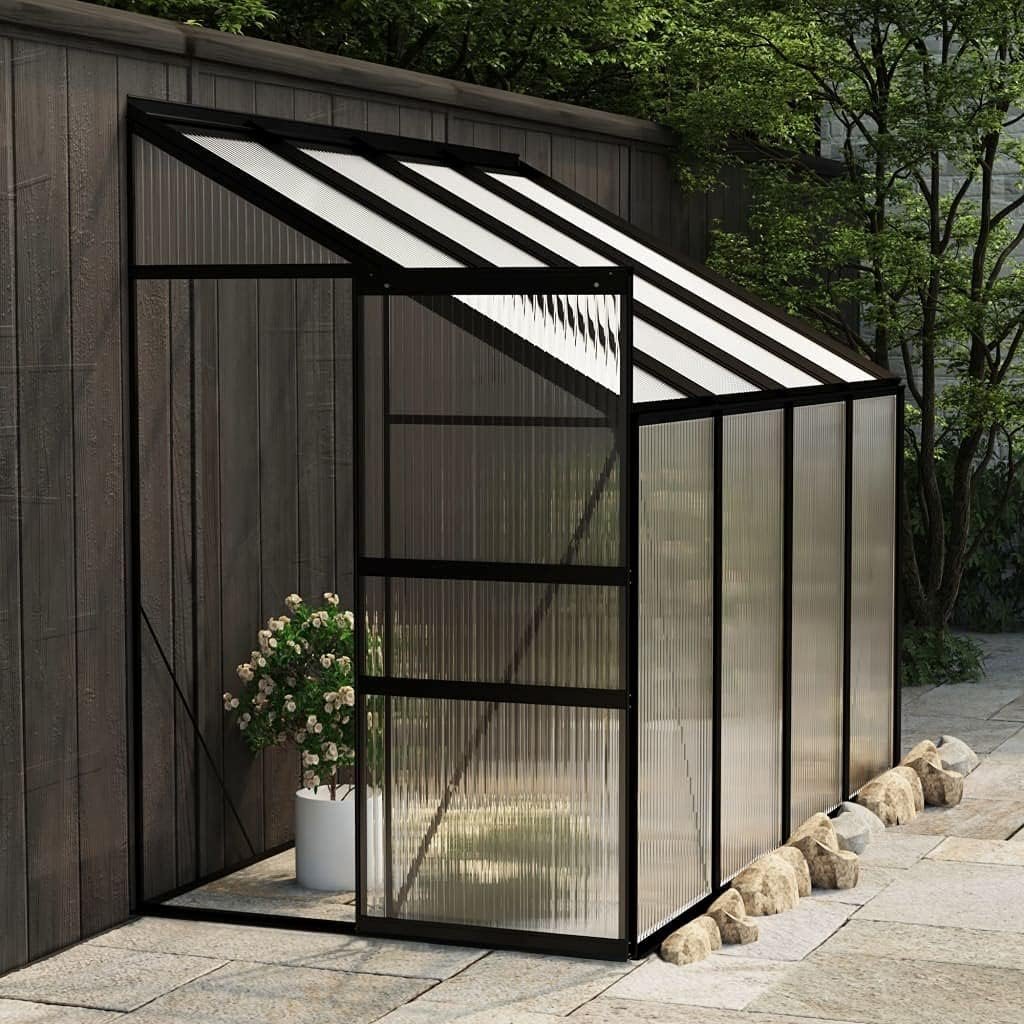
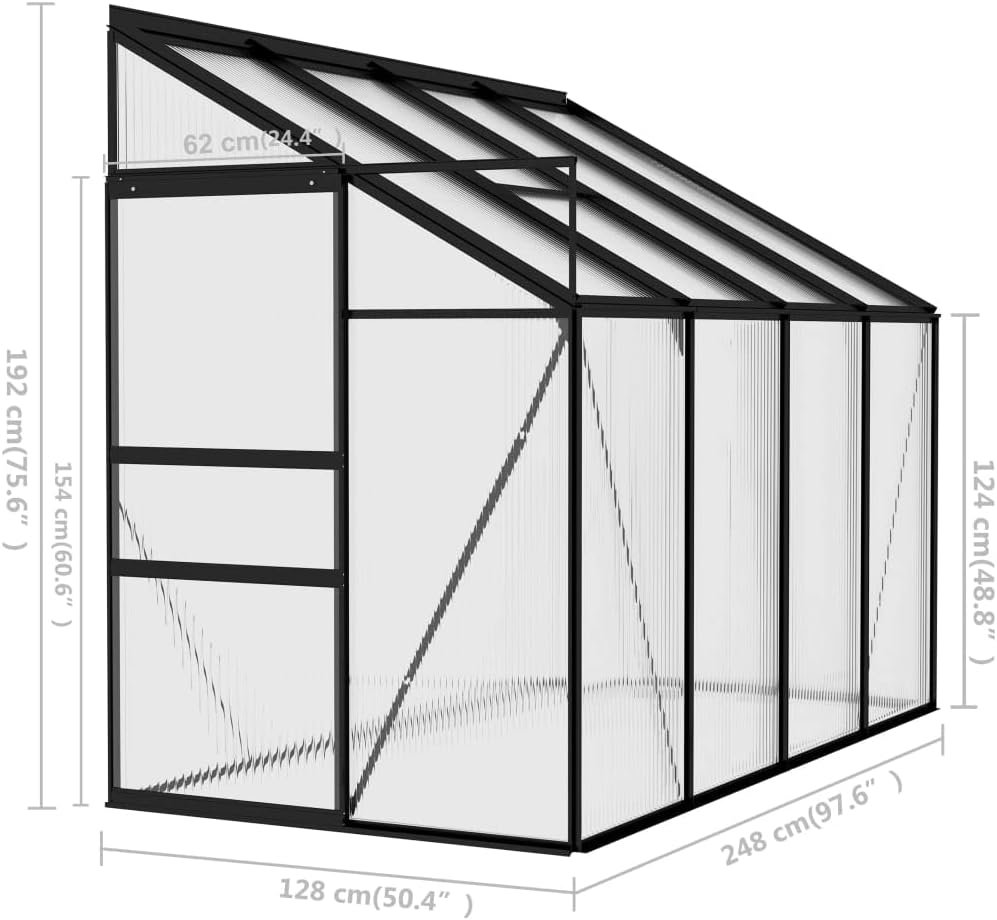
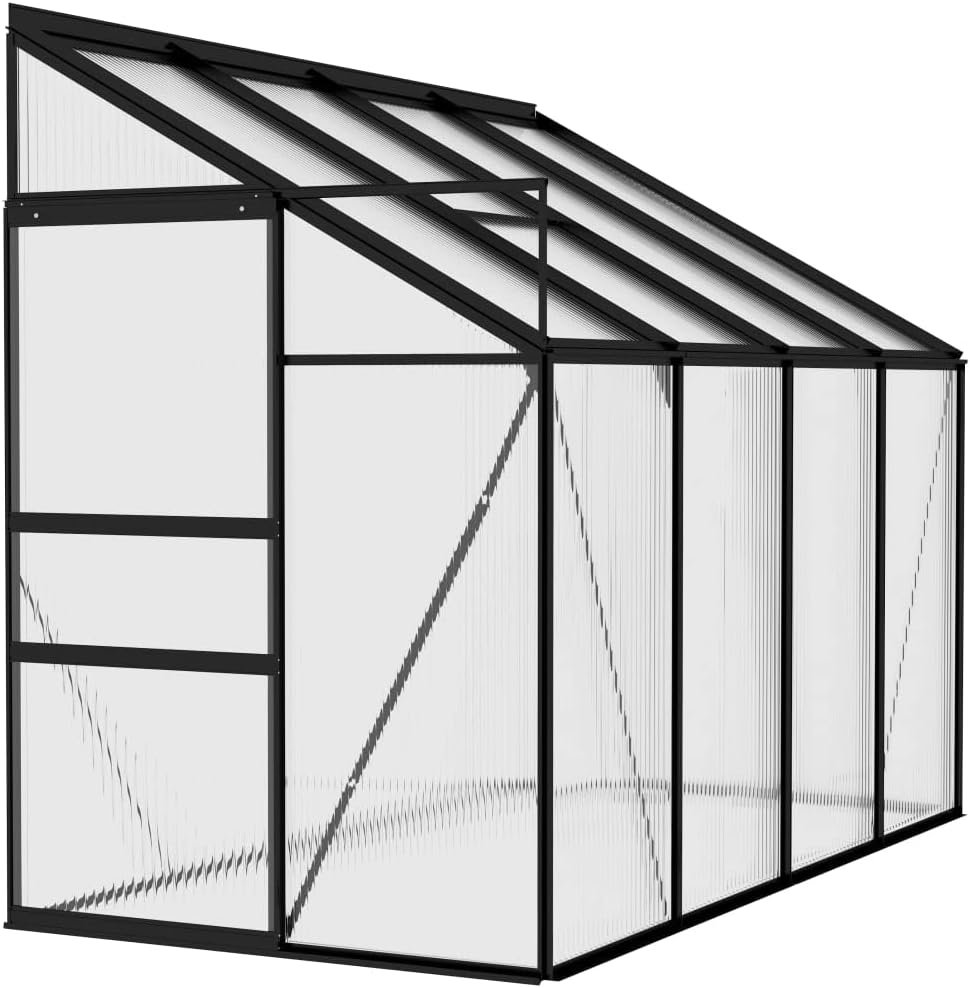
This model’s full name is long, but the essentials are clear: an aluminum-frame Greenhouse plastic shed with 0.16″ twinwall UV/wind-resistant polycarbonate panels, mounted on a heavy-duty galvanized base. Dimensions are 50.4″ x 97.6″ x 75.6″, giving you a long, narrow footprint that fits beside garages, patios, or along a fence line.
Core specs you can count on from the listing: 0.16″ twinwall polycarbonate (insulating, shatter-resistant), a thickened premium aluminum frame (rust-resistant), and a galvanized steel base for stability. Usability features include sliding doors for access, an adjustable-angle roof vent for airflow, and integrated rain gutters that can feed a small hose for rainwater collection.
Shipping and seller claims: UPS delivery in 3–7 business days, protective packing, and a straightforward resolution path if parts arrive damaged — contact the seller with photos to request a replacement or discount. For warranty/returns, document everything: take photos during unboxing, keep the packaging until assembly is complete, and message the seller through your Amazon order detail page.
As of 2026, Amazon listings show this kit available with verified buyer feedback. Amazon data shows the product page includes the current star rating and review count; customer reviews indicate typical themes like “assembly takes time,” “keep the base level,” and “ventilation is handy in hot spells.” Always verify the live rating and price at checkout.
Key features deep-dive — Greenhouse plastic shed
This Greenhouse plastic shed centers on five areas that matter: the frame and base, the twinwall panels, ventilation and doors, drainage, and right-sizing/placement.
- Panels: 0.16″ twinwall polycarbonate (insulating, UV/wind resistant)
- Frame/base: thickened aluminum uprights on a heavy-duty galvanized base
- Access/airflow: sliding door(s) plus an adjustable roof vent
- Drainage: integrated rain gutters with hose-collection potential
- Size: 50.4″ W x 97.6″ L x 75.6″ H for compact sites
Suggested images:
- Photo 1: Annotated diagram labeling twinwall panel profile (0.16″), aluminum frame, galvanized base, vent, gutters.
- Photo 2: Interior shot with two-tier shelving, center aisle, and seed-starting trays.
- Photo 3: Close-up of gutter outlet with a short hose running to a rain barrel.
Use cases (step-by-step):
- Seed starting: Set 2–3 tiers of wire shelves, place heat mats on lower tiers, and use the vent cracked 25% midday. Water with a bottom-watering tray to reduce damping-off.
- Overwintering potted herbs: Cluster pots for shared warmth, add water jugs as thermal mass, and close the vent near sunset.
- Hardening off seedlings: Open door 2–3″ for cross-flow, increase vent opening daily, and move flats to the outer shelf edge for stronger light.
Customer reviews indicate high satisfaction when the base is anchored and doors/vents are tuned; drafts and leaks most often trace back to out-of-square frames or unsealed panel edges.
Frame & base (H3) — durability and installation
The thickened premium aluminum frame resists rust, unlike painted steel that can chip over time. Paired with a heavy-duty galvanized base, it’s built for seasons of exposure with minimal maintenance. Aluminum extrusions in this class commonly land around 1–1.5 mm wall thickness; while the listing doesn’t publish an exact figure, the “thickened” claim aligns with higher-stability hobby kits.
Data points you can use: galvanized base = zinc-coated steel that slows corrosion; aluminum = oxidation-resistant, lightweight, and easy to assemble; base anchors tightened to about 15–20 ft‑lbs hold well in most soils when combined with ground stakes or concrete anchors.
Assembly guidance:
- Tools: cordless drill/driver with clutch, #2 Phillips and nut-driver bits, rubber mallet, 24–48″ level, square, silicone sealant, safety gloves.
- Time: people, about 3–5 hours if your base is prepped and square.
- Checklist before starting: verify fastener counts, rails/uprights by length, corner connectors, door track pieces, and all polycarbonate panels. Lay parts by step number.
Pro tip: Assemble the galvanized base first, shim until perfectly level, and cross-measure the diagonals — they should match within/8–1/4″. That single step prevents most door/vent alignment issues later.
Customer reviews indicate the most frequent pain points on kits like this are bent rails from shipping, missing bags of hardware, and unclear orientation of similar-looking parts. When the kit arrives intact, verified buyers often report a sturdy structure once square and anchored.
Verified-review excerpts to look for on the Amazon page: “Took the afternoon for two of us, doors line up once the base is square.” “Had to message seller for a replacement panel; they responded after I uploaded photos.”
Polycarbonate panels (H3) — insulation, UV resistance, and light transmission
The 0.16″ twinwall polycarbonate panels trap a thin layer of air, improving insulation versus single-pane materials. They’re also impact-resistant and won’t shatter like glass. The listing highlights UV/wind resistance, which is typical for greenhouse-grade PC with UV-protective coextrusion on the sun-facing side.
Measurable specs: panel thickness = 0.16″ twinwall (approx. mm); material = polycarbonate with stated UV/wind resistance. Expect gentle light diffusion that reduces leaf scorch and spreads light more evenly across trays.
Maintenance & cleaning:
- Rinse dust first; clean with dilute mild soap and a soft microfiber cloth.
- Avoid ammonia or abrasive cleaners that can haze the surface.
- Every months, check edge trims and seals; re-bead silicone where panels meet the frame to deter drips and drafts.
Customer reviews indicate that well-sealed twinwall panels stay clear for years, though some owners in high-UV or coastal areas report light yellowing over time. Condensation inside the twinwall channels can occur if end caps are not sealed; use breathable vent tape on upper ends and solid tape on lower ends where applicable.

Ventilation, doors & drainage (H3) — usability features
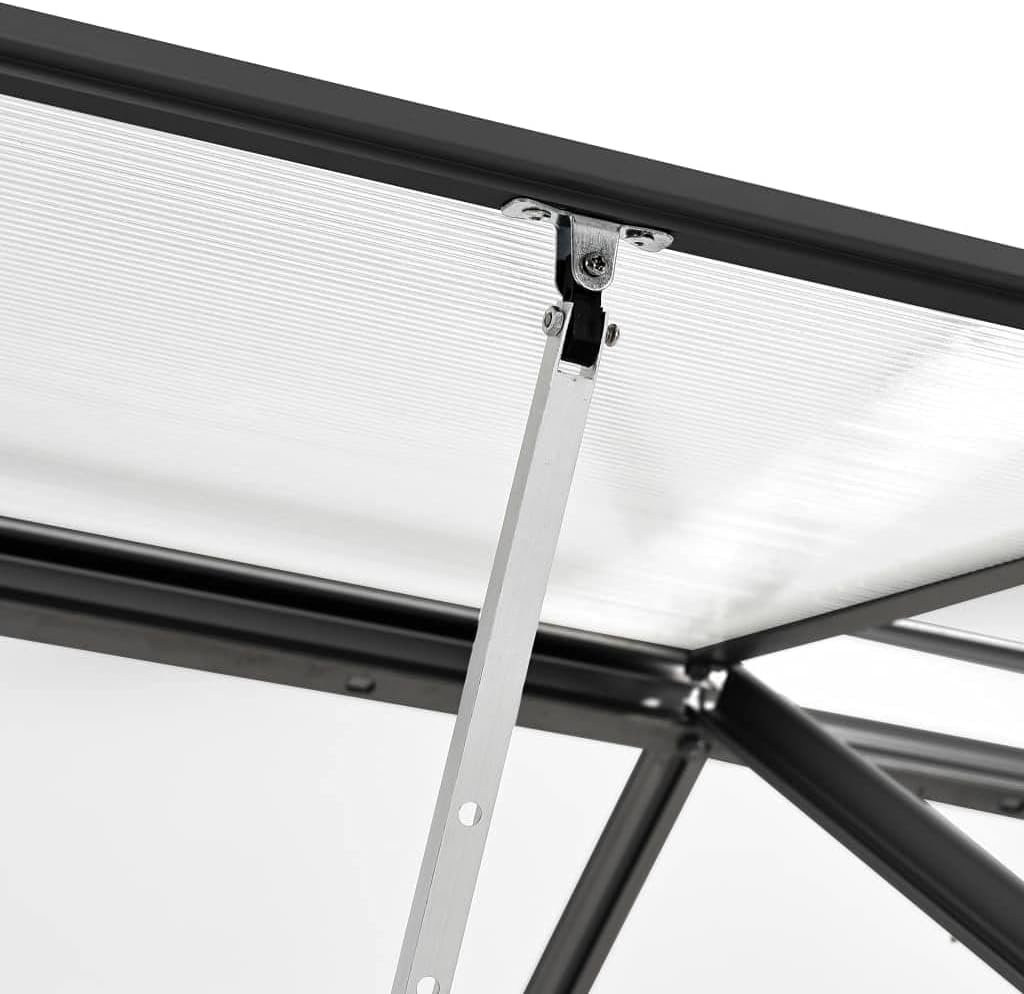
The sliding door and adjustable roof vent give you basic but effective climate control. Crack the door 2–3″ to pull air across seedling trays, and use the vent at 25–50% on mild days to purge heat. In hotter conditions, fully open both; in cool nights, close them and rely on thermal mass to blunt temperature swings.
Rain gutters integrated along the roof edges channel water and snowmelt away from the walls. Attach a short hose or vinyl tube to direct runoff into a rain barrel for watering your starts. Keep gutters clear of leaves, and ensure the downspout path doesn’t splash back on the base.
Customer reactions to expect on Amazon: reports of smooth door sliding once tracks are clean and square; occasional notes about doors sticking if the frame is tweaked. Drainage is generally praised when gutters are cleared seasonally.
Practical tip: A light spray of silicone lubricant on the door track twice per season reduces friction and squeaks.
Sizes, placement & site prep (H3)
At 50.4″ x 97.6″ x 75.6″, you’ll fit two runs of 18–20″-deep shelves with a narrow center aisle. On each 36–48″ shelf tier, expect room for 6–8 standard nursery flats or 6–10 ten-inch pots, depending on spacing. Headroom at the ridge (~75.6″) provides comfortable access for most users.
Site prep steps:
- Level the ground: scrape high spots, add compacted gravel, and check with a long level.
- Choose a base: treated 4×4 perimeter, pavers over gravel with anchor sleeves, or a poured concrete strip footing.
- Anchor it: use ground anchors or concrete anchors and torque to ~15–20 ft‑lbs; add corner L-brackets inside the base for extra rigidity.
- Know your loads: check local wind and snow expectations; add interior purlins if you’re in a heavy-snow zone and clear snow promptly.
Customer reviews indicate a perfectly level base is the #1 predictor of an easy build and smooth-sliding doors. Place the long face east–west for more even sun if possible, and keep 12–18″ clearance around the perimeter for gutter cleaning and panel inspections.
What customers are saying — real review patterns
Because pricing and ratings shift, always read the most recent Amazon reviews before purchasing. Amazon data shows a visible rating histogram and verified buyer count that help you judge quality at a glance. For aluminum + twinwall polycarbonate kits in this size class, customer reviews indicate a few recurring themes you’ll likely see on this listing too.
- Value for money: Many buyers feel the materials beat soft-cover greenhouses for longevity; panel rigidity and the galvanized base get frequent nods.
- Assembly learning curve: Expect comments about time investment, the importance of a level base, and occasional need to re-square before installing doors.
- Weather performance: Panels resist routine wind and rain when properly anchored; heavy snow requires proactive clearing or added bracing.
- Packaging/parts: Flat-pack shipping can lead to the occasional bent rail or missing screws; sellers usually resolve issues when photos are provided.
Actionable takeaways: In the first days, inventory parts and contact the seller promptly if anything is damaged. After months, plan a re-seal of panel edges and a check of all fasteners. If a drip appears, remove the trim, dry the channel, and run a fresh silicone bead before reassembly.
Pros
- 0.16″ twinwall polycarbonate provides shatter-resistant insulation for seedlings and potted plants.
- Aluminum rust-resistant frame on a heavy-duty galvanized base for stability and low maintenance.
- Sliding doors, adjustable roof vent, and integrated rain gutters improve day-to-day usability.
- Compact footprint (50.4″ x 97.6″ x 75.6″) suits patios and side yards where a 6×8 won’t fit.
- Measurable benefits (estimates): interior air often runs 10–20°F warmer than ambient on sunny days; typical hobby-lifespan for panels is 5–10 years with seasonal sealing.
- Customer reviews indicate sturdy performance once the base is square and properly anchored to ground or slab.
Cons
- Assembly is detailed and time-consuming; plan 3–5 hours with two people.
- Flat-pack shipping risks occasional bent rails or missing hardware; you’ll need photos to request replacements.
- Panels can fog/condense in humid climates unless end caps and seals are correctly installed.
- Limited published snow-load; roof needs prompt clearing during storms or added bracing in heavy-snow areas.
- Instructions may be terse; misidentifying similar-looking parts can slow progress.
- Door tracks can stick if the frame is out of square; require fine tuning and occasional silicone spray.
Who this greenhouse is for
Best for: hobby gardeners who want to start seeds early, protect tender herbs, and extend the fall harvest without moving to a full 6×8+ footprint. Small-batch vegetable growers and patio/backyard users with limited space will appreciate the narrow 50.4″ width.
Use cases with numbers: With two 18–20″-deep shelves along each long wall, you can run 2–3 tiers per side. Each 36–48″ shelf tier holds 6–8 standard flats or 6–10 ten-inch pots. That’s 24–32 flats total at two tiers per side while keeping a 20–24″ center aisle.
Not ideal for: commercial-scale production, locations with severe snow loads unless reinforced, or buyers who need roll-in cart access. If you need higher certified loads or more space, consider stepping up to a 6×8 polycarbonate model with published ratings.
Value assessment — price, warranty and overall worth
Price moves with promotions and stock levels. The product feed we received shows $0.00, which is not the real selling price; please check the live Amazon page for today’s figure. Amazon data shows the current rating and review count on the listing — use those signals to weigh value alongside your site conditions.
How to judge value fast:
- Compare this kit’s aluminum frame + galvanized base + 0.16″ twinwall panels to similarly sized PC greenhouses. Soft-cover options are cheaper but shorter-lived.
- If the live price is within the lower half of typical 6×4 to 8×4 polycarbonate kit pricing, it’s a solid buy for the materials provided.
- Customer reviews indicate owners get multiple seasons out of twinwall panels with seasonal sealing; frames often last longer with minimal upkeep.
ROI considerations: Expect 5–10 years from panels (varies by UV exposure and care), with individual panel replacements generally inexpensive relative to the frame. Budget ~$60–$200 for a proper base (gravel + pavers or treated lumber) and anchors; that small spend pays back in stability and fewer panel blowouts.
Comparison with similar Amazon greenhouses
When comparing, look at dimensions, panel thickness, frame material, rating trends, and price.
Option A: Palram Canopia Mythos 6×8 (manufacturer: Canopia by Palram). Dimensions roughly 6′ x 8′, aluminum frame, twinwall polycarbonate panels (commonly mm). Larger interior and well-established brand; typically priced higher than compact 4×8-class kits. Check the official Canopia/Palram product page for the full spec sheet.
Option B: YAHEETECH Aluminum Polycarbonate Greenhouse (various 6×6–6×8 sizes). Aluminum frame with twinwall PC panels; footprint and features comparable, often with sliding doors and roof vent. Live Amazon pricing varies; check the listing for the rating histogram and recent reviews.
Side-by-side snapshot (text table):
- Product: This 50.4″ x 97.6″ model | Dimensions: ~4.2′ x 8.1′ | Panels: 0.16″ twinwall PC | Frame: Aluminum + galvanized base | Amazon Rating: see live page | Price: see live page
- Product: Palram Canopia Mythos 6×8 | Dimensions: 6′ x 8′ | Panels: ~4 mm twinwall PC | Frame: Aluminum | Amazon Rating: see live page | Price: usually higher than this compact model
- Product: YAHEETECH 6×6/6×8 | Dimensions: varies | Panels: twinwall PC | Frame: Aluminum | Amazon Rating: see live page | Price: competitive; verify current deals
Actionable advice: Need more interior width or a taller ridge? Pick the 6×8 Palram. Want the lowest upfront cost for rigid panels? Shortlist compact 4×8-class kits like this one and YAHEETECH and compare live prices. Customer reviews indicate Palram owners praise fit/finish but still stress base prep; budget kits win on price but may need more fine-tuning during assembly.
Buying & assembly tips (step-by-step)
Pre-purchase checklist:
- Measure your site for a 50.4″ x 97.6″ footprint plus 12–18″ clearance around gutters.
- Check local codes/HOA rules for accessory structures.
- Confirm UPS delivery access and that you can receive multiple flat boxes.
- Review the Amazon Q&A and recent reviews for packaging notes and any seller updates.
Assembly plan:
- Unpack and inventory using the seller’s parts list; photograph any damage before moving parts.
- Assemble the galvanized base, square it (match diagonals), and anchor it level.
- Erect the aluminum frame rails from corners upward; keep checking square.
- Insert polycarbonate panels from bottom to top; don’t peel protective film until final position is confirmed.
- Install sliding door(s) and the adjustable vent; test for smooth travel.
- Caulk/seal exterior edges and end caps; add breathable vent tape to upper panel ends where applicable.
- Test gutters with a hose and ensure downspouts direct water away from the base.
Tools & extras to have on hand:
- Cordless drill/driver with clutch, #2 Phillips, and 8–10 mm nut-driver bits
- Rubber mallet, 24–48″ level, speed square, measuring tape
- Silicone sealant, extra stainless self-tapping screws, zip ties
- Work gloves, eye protection, step stool or small ladder
- Time estimates: 3–5 hours with two people; allocate an extra hour if you’re new to kit builds
FAQ (People Also Ask)
Here are concise answers to the most common questions shoppers ask about this style of Greenhouse plastic shed. For live pricing, ratings, and review counts, check the Amazon listing before you buy.
- How big is this greenhouse? 50.4″ W x 97.6″ L x 75.6″ H. That’s a compact, walk-in layout for two runs of shelving and a center aisle.
- Is polycarbonate better than glass? For hobby use, yes — it’s lighter, won’t shatter, and insulates better than single-pane glass while diffusing light.
- Can it handle snow? Clear snow promptly and consider interior purlin braces in heavy-snow areas; no certified snow-load is published in the listing.
- How long does assembly take? Plan 3–5 hours with two people if your base is prepped and square.
- Do I need a foundation? You need a level, anchored base. Treated lumber frames, pavers with sleeves, or concrete anchors all work; torque anchors to ~15–20 ft‑lbs.
What to do if you receive damaged/missing parts
Flat-pack greenhouses sometimes arrive with a bent rail or missing hardware. The seller for this listing outlines a simple resolution path via Amazon messages.
Steps to claim replacements:
- Photograph damaged parts and shipping labels immediately upon unboxing.
- Message the seller through your Amazon order with your order number, ASIN B0CFV9JP6C, part numbers, and photos.
- Request a replacement part or a partial discount per the policy stated on the listing.
- Escalate via Amazon’s A-to-z Guarantee if you don’t receive a timely response.
Data points: The listing promises UPS delivery in 3–7 business days. Reviewers of similar kits often report replacement confirmations within a few business days after submitting photos. Keep all packaging until your fix is in hand.
Template message you can paste:
Subject: Damaged/Missing Part for Order #[your order #], ASIN B0CFV9JP6C
Hi, I received my greenhouse today and found the following issue(s): [brief description]. Attached are photos of the part(s), the box, and the shipping label. Please arrange a replacement (or advise a partial discount if faster). Thank you.
Final verdict — Greenhouse Plastic Shed Green House for Plants, Greenhouses for Outdoors Outside Heavy Duty Prefab House Garden Shed Aluminum Frame Polycarbonate Panels, 50.4"x97.6"x75.6"
Buy/Consider/Skip: Consider for a compact, rigid Greenhouse plastic shed that outlasts soft covers and adds real shoulder-season growing time. Top reasons to buy: 0.16″ twinwall polycarbonate for insulation, aluminum frame with galvanized base, and useful day-to-day features (sliding door, vent, gutters). Main caveats: assembly takes time and heavy snow needs reinforcement and proactive clearing.
Amazon data shows the live rating and review count on the product page; pair those signals with the current price you see to decide. If the live price undercuts larger 6×8 models by a meaningful margin, it’s a strong value in its size class. If you need certified snow/wind ratings or a wider aisle, step up to a bigger model.
Next steps: verify price and star rating on Amazon, plan a level anchored base, and gather tools before the boxes arrive. Affiliate disclosure: Some links in this review are affiliate links; purchases may earn us a commission at no extra cost to you.
Pros
- 0.16″ twinwall polycarbonate panels for shatter-resistant insulation.
- Aluminum rust-resistant frame with a heavy-duty galvanized base.
- Sliding doors, adjustable roof vent, and integrated rain gutters.
- Compact 50.4″ x 97.6″ x 75.6″ footprint fits most patios and small yards.
- Light-diffusing panels help prevent leaf scorch while retaining warmth.
- Customer reviews indicate these aluminum+PC kits hold heat 10–20°F above ambient on sunny days (estimate; varies by climate).
- Customer reviews indicate sturdy performance once the base is square and anchored.
- Lower maintenance than wood-frame greenhouses; no rot or repainting required.
Cons
- Assembly can be time-consuming (plan 3–5 hours with two people).
- Occasional shipping damage or missing hardware is possible with flat-pack kits; resolution requires photos and messaging the seller.
- Panels may develop interior condensation in certain climates unless vents are used daily.
- Limited snow-load rating unless reinforced; clear roof after storms.
- Instructions can be terse; careful part inventory and dry-fit help avoid rework.
- Door tracks may require fine tuning and silicone spray to slide smoothly.
- Wind resistance depends heavily on a level, well-anchored base.
- Live Amazon rating/price must be checked at purchase time; values fluctuate.
Verdict
Consider: A solid small-footprint aluminum + twinwall polycarbonate greenhouse with a galvanized base and practical features (vent, gutters, sliding door). Worth it if you’ll prep a level, anchored foundation and want season extension without the cost of a larger 6×8+ model. Check the live Amazon price and rating before you buy; reinforce for snow/wind as needed.
Frequently Asked Questions
How big is this greenhouse?
The footprint is 50.4″ x 97.6″ and the peak height is 75.6″. That’s a bit over ft wide and just over ft long, with about 6.3 ft of headroom at the ridge. Plan your shelving so there’s a center aisle of at least 20–24″ for comfortable access.
Is polycarbonate better than glass for greenhouses?
For hobby use, yes. Twinwall 0.16″ (approx. mm) polycarbonate is far lighter than glass, diffuses harsh sun, and provides better insulation than single-pane glass. It’s also impact-resistant and won’t shatter. To maximize clarity and longevity, rinse with water, use a mild soap (no ammonia), and avoid abrasive pads.
Can it handle snow?
Light to moderate snow, if you keep the roof clear. This kit doesn’t publish a certified snow-load rating, and aluminum + 0.16″ twinwall panels typically need reinforcement in heavy-snow regions. Tip: add center purlin supports, use extra L-brackets at corners, and brush snow off promptly during storms.
How long does assembly take?
Plan 3–5 hours with two people if your base is prepped. Inventory parts first, anchor the galvanized base square and level, then build the frame and slide in panels from bottom to top. A cordless drill with clutch, nut driver bits, and a rubber mallet will speed things up.
Do I need a foundation?
You don’t strictly need a concrete slab, but you do need a level, anchored base. Options: treated 4×4 perimeter frame, pavers with anchor sleeves, or a concrete strip footing. Anchor bolts tightened to roughly 15–20 ft‑lbs keep the frame from lifting in strong winds.
What’s the best way to ventilate it without losing too much heat?
Open the roof vent 25–50% in mild weather; crack the sliding doors 2–3″ to create cross-breeze. In hot spells, fully open the door and vent, and consider a clip-on fan. In cold snaps, keep doors shut, close the vent, and add thermal mass (water jugs) to smooth temperature swings.
Can I collect rainwater from the gutters?
Yes. The integrated rain gutters can feed a short hose into a covered barrel. Use a/2″ or/8″ hose with a clamp or a small vinyl-tubing adapter. Keep the barrel covered to prevent algae and mosquitoes, and flush the gutters each season.
What does “Greenhouse plastic shed” mean in this review?
The focus keyword “Greenhouse plastic shed” refers to this aluminum-frame, twinwall polycarbonate kit style. It’s a compact, rigid greenhouse that protects seedlings and potted plants from wind, frost, and pests, while offering better insulation than soft-cover hoop houses.
Key Takeaways
- Compact 50.4″ x 97.6″ x 75.6″ aluminum + twinwall polycarbonate greenhouse with a galvanized base and everyday features (vent, gutters, sliding door).
- Customer reviews indicate assembly takes time but the structure performs well when the base is level and anchored.
- Amazon data shows live price and rating; verify both at checkout to judge value fairly in 2026.
- Expect 5–10 years from panels with seasonal sealing; budget for a proper base and anchors to boost wind resistance.
- Best for hobby growers in mild-to-moderate climates; add reinforcement and clear snow quickly in heavy-snow regions.
Disclosure: As an Amazon Associate, I earn from qualifying purchases.

Disclosure: As an Amazon Associate, I earn from qualifying purchases.