
Outdoor Wooden Greenhouse Review: Quick Product Overview
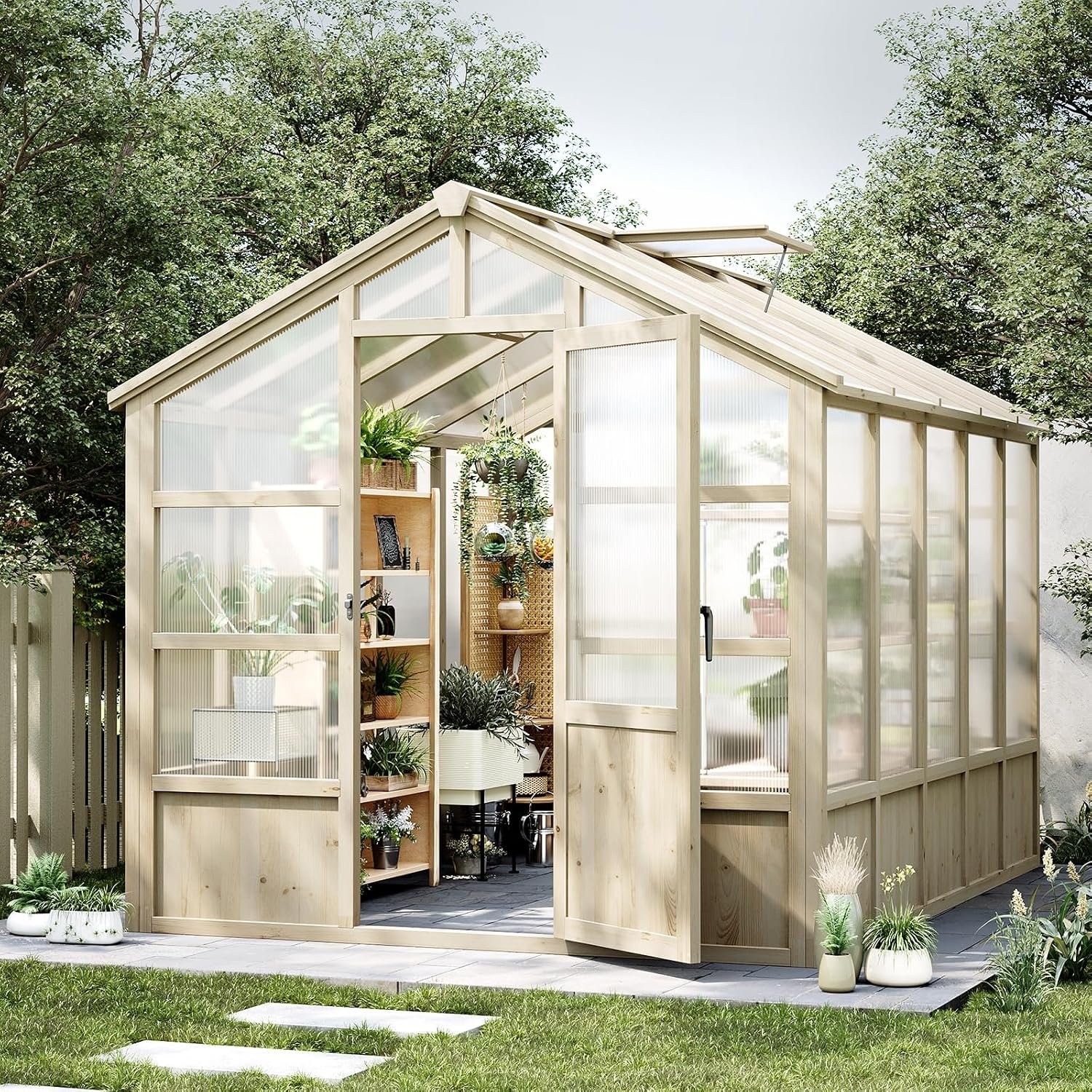
If your seedlings keep getting battered by wind, scorched by direct sun, or crowded onto windowsills, this greenhouse is built to give them a more controlled backyard home. The 8X10 FT Outdoor Wooden Greenhouse with Lockable Door and Adjustable Roof Vent, UV Protection, Cedar Wood Walk-in Green House for Outdoor, Garden, Yard, Light Brown is a cedar wood outdoor greenhouse with UV-protected polycarbonate panels, a lockable door, and an adjustable roof vent.
The listed price is $0.00, which should be treated carefully. Before you make any decision, verify the live checkout price, because listings can temporarily show placeholder pricing, unavailable pricing, or changing availability.
My early read: this Outdoor Wooden Greenhouse is best considered by gardeners who want a more permanent-looking structure than a lightweight plastic tunnel or seasonal pop-up kit. For shoppers, the real questions are construction quality, ventilation control, panel performance, installation effort, security, visible customer feedback, comparable Amazon alternatives, and whether the live price makes sense once delivery and setup materials are included.

Core Specifications and Design at a Glance
The appeal here is straightforward: this is a walk-in garden structure with a natural-looking wood frame, translucent plant-protection panels, and built-in airflow control. The product listing presents it as a backyard, garden, or yard greenhouse rather than a compact balcony cabinet or temporary row cover.
| Feature | Listed detail |
|---|---|
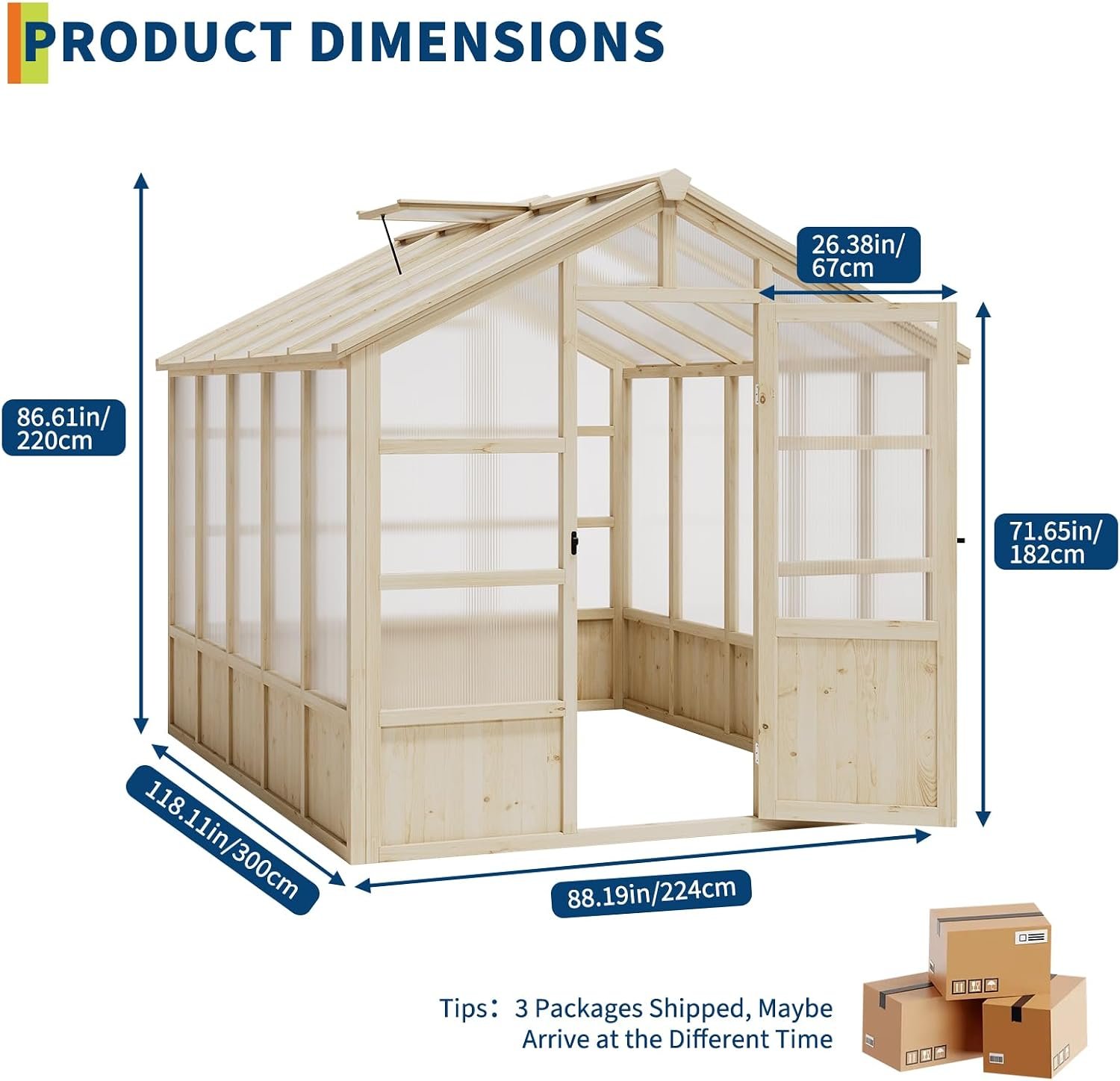
| Size | 8×10 ft footprint |
| Frame material | Cedar wood construction |
| Panel type | UV-protected multi-layer polycarbonate panels |
| Door type | Walk-in access with lockable door |
| Ventilation | Adjustable roof vent and window |
| Installation style | Embedded or inserting panel system |
| Color | Light brown finish |
| Placement | Outdoor garden, yard, or patio area |
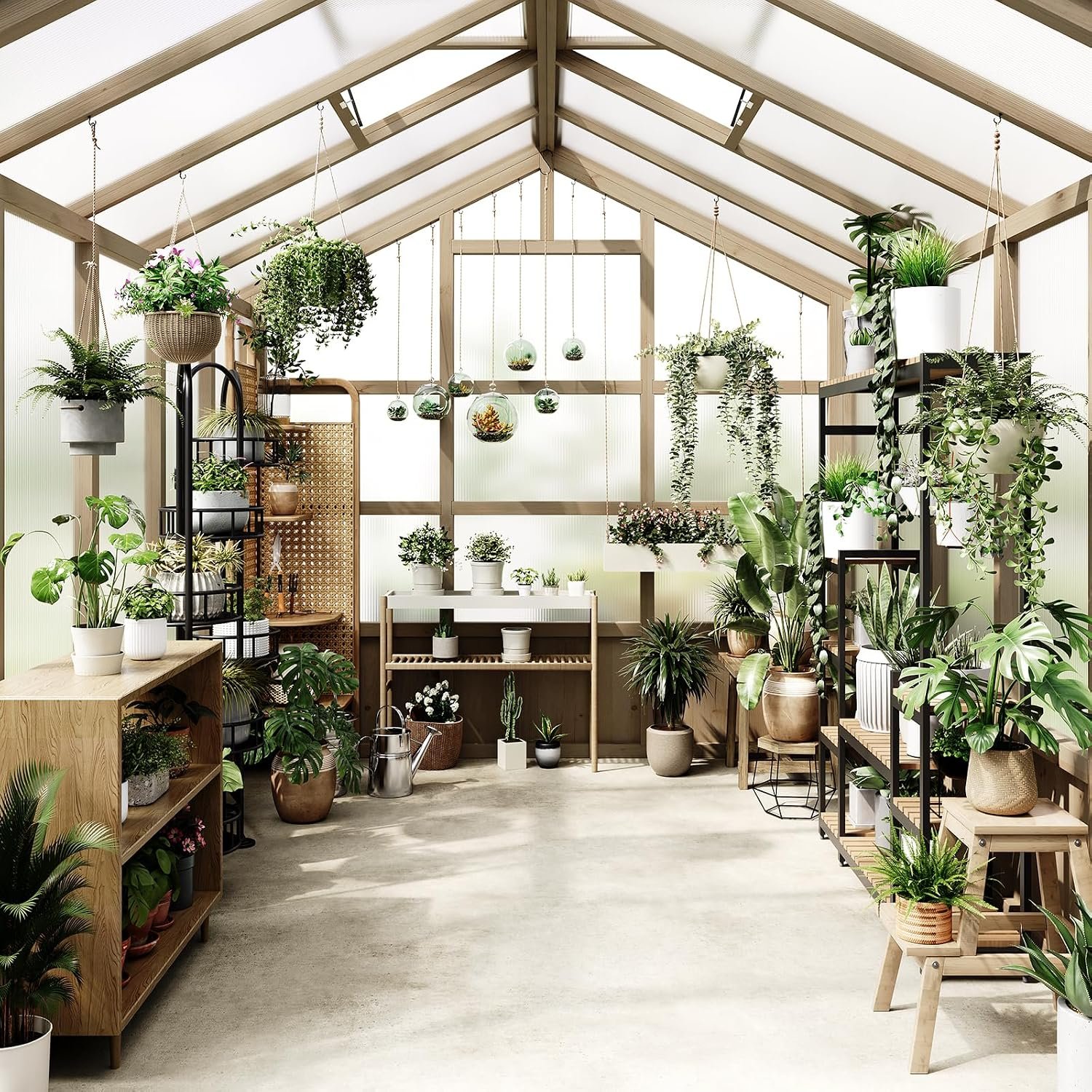
In practical use, the format gives you space for shelving, seed trays, potted plants, and a central walkway if you plan the interior carefully. A gardener using narrow grow racks could prioritize seed starting, while someone growing larger containers may prefer fewer shelves and more open floor space.
The listing also calls out reinforced hinges and solid bottom supports, which matter because greenhouse doors and lower frame points take repeated stress. Before ordering this Outdoor Wooden Greenhouse, check the intended ground surface and plan a level base such as compacted gravel, patio slabs, a timber foundation, or prepared ground.
Outdoor Wooden Greenhouse Build Quality and Cedar Frame
Cedar is one of the strongest reasons to consider this model over a basic metal-and-plastic kit. It is commonly chosen for outdoor garden structures because it handles moisture better than many untreated softwoods, and it brings a warmer, more natural look that blends into planting beds, fences, and patio landscaping.
The product description positions the frame as heavy-duty, durable, and weather-resistant. It also claims the cedar frame can absorb sunlight during the day and release some warmth after sunset, which is a useful idea for season extension, although your actual temperature retention will still depend on weather, base sealing, wind exposure, and how well the greenhouse is closed at night.
The biggest strength of a wood greenhouse is the feel. It usually looks more settled in a backyard than a thin plastic-covered tunnel, and the structure can be easier to integrate with raised beds, gravel paths, or ornamental garden zones. If aesthetics matter as much as plant protection, this Outdoor Wooden Greenhouse has a clear design advantage over more utilitarian kits.
Wood does ask for ownership, though. Inspect joints after storms, keep soil and mulch away from the lower frame, tighten hinges seasonally, and treat exposed wood if the finish starts to weather. Those small habits help protect the frame where water, movement, and ground contact can cause problems first.

UV-Protected Polycarbonate Panels: Light, Heat, and Plant Protection
The multi-layer polycarbonate panels are the main plant-protection feature. Unlike clear single-pane materials that can create sharper light patterns, polycarbonate is designed here to diffuse sunlight more evenly, giving seed trays, herbs, flowers, and vegetables a gentler spread of usable light.
That matters because plants need light, but they do not benefit from extreme hot spots. Diffused light can support photosynthesis across more of the growing area while reducing the intensity of direct sun on tender leaves. For young seedlings and leafy herbs, that can be especially helpful when outdoor conditions swing between cool mornings and bright afternoons.
The UV-protection claim means the panels are intended to reduce exposure to excessive harmful rays while helping limit overheating in sunny conditions. It does not mean the interior will stay cool on its own, so airflow and siting still matter.
Compared with common greenhouse coverings, polycarbonate sits in the middle of the market in a useful way. Glass offers clarity and weight but can be heavier and less forgiving on impact. Polyethylene film is usually cheaper and easy to replace, but it feels less permanent. Polycarbonate balances durability, insulation, and impact resistance, which is why it is common on walk-in greenhouse kits.
For setup, orient this Outdoor Wooden Greenhouse where your crops receive the sun exposure they need, while considering partial afternoon shade in very hot regions to reduce heat buildup.
Adjustable Roof Vent and Window Performance
Ventilation is one of the most important functional features on any enclosed greenhouse. Even when the air outside feels mild, a closed structure can heat quickly once sunlight hits the panels, and excess humidity can collect after watering.
This model includes an adjustable roof vent and window to help release warm air, draw in fresher air, and balance temperature and moisture levels around your plants. The roof placement is useful because warm air naturally rises, so venting from above is a sensible design choice for daily greenhouse management.
The product listing also mentions secure bolts designed to hold vents open for continuous circulation. That is better than relying on an improvised prop, especially when you want steady airflow while working elsewhere in the garden.
A simple routine works best: open vents during sunny daytime hours, partially close them in cooler evenings, and increase airflow after heavy watering. If condensation is forming on interior surfaces, you likely need more air movement or a different watering schedule.
Better airflow can reduce mildew pressure, help seedlings harden gradually, and make the interior more comfortable when you are pruning, watering, or shifting containers. For an Outdoor Wooden Greenhouse, ventilation is not a bonus feature; it is part of keeping the space useful across changing seasons.
Lockable Door, Walk-In Space, and Everyday Usability
The lockable door is a practical feature if you store fertilizers, hand tools, seed trays, or delicate plants inside. It can help discourage children, pets, or casual visitors from wandering into a growing area where plants may be fragile or supplies may need to stay undisturbed.
The walk-in design is also a major usability upgrade over low tunnel greenhouses. Instead of lifting plastic covers, kneeling in wet soil, or reaching awkwardly into a small frame, you can stand inside, water plants, prune stems, rotate containers, and rearrange your growing setup with less bending.
Interior planning will decide how comfortable it feels day to day. You might place shelves along both long sides, keep a narrow center aisle, reserve the back area for taller plants, and position seed-starting trays where the light is strongest. If you use watering cans, leave turning room; if you use drip irrigation, plan the line route before filling the space.
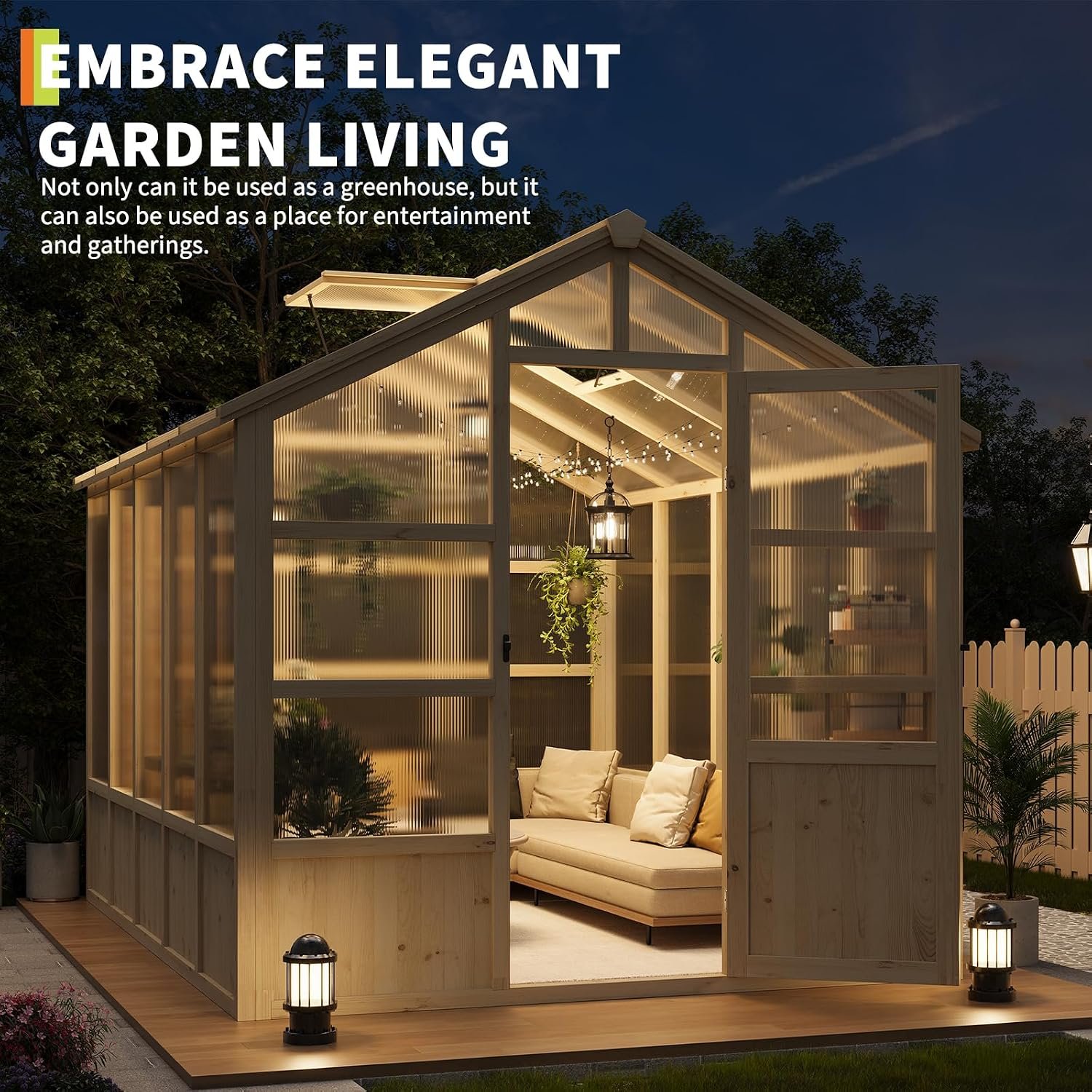
The product description says the interior can function for plant care, as a garden retreat, or even for small event-style backyard use. That is possible in a loose sense, but you should think of this Outdoor Wooden Greenhouse as a growing structure first. Sketch the interior before assembly so benches, pots, irrigation, and walkway clearance are planned before the frame is fixed in place.
Assembly Expectations and Installation Planning
The listing highlights easy embedded panel installation, clear instructions, and included accessories, but you should still treat this as a significant outdoor build. A wood-framed walk-in greenhouse has more alignment demands than a small shelf unit, and rushing the early steps can affect door fit, panel seating, and vent movement.
A practical assembly sequence would look like this:
- Prepare the base so the structure starts square and stable.
- Inventory every frame piece and panel before fastening anything together.
- Assemble the cedar frame carefully, checking corners as you go.
- Insert the polycarbonate panels without forcing, flexing, or scratching them.
- Attach hinges and door hardware, then confirm the door opens and closes cleanly.
- Test the vent operation before loading the greenhouse with plants.
The reinforced hinges and solid bottom supports described in the product details are worth paying attention to because doors are handled constantly, and lower frame sections help carry the structure’s everyday load.
Plan for two adults during assembly, especially when aligning larger sections and handling panels. Before you begin, assess local wind exposure, drainage, sun direction, access to water, and whether your yard conditions require anchors or a separate foundation kit. Those checks can prevent a good Outdoor Wooden Greenhouse from performing poorly because of the site rather than the product.
What Customers Are Saying
The provided product details do not include a star rating, review count, or verified review excerpts. That means this review should not invent a rating, claim a number of buyers, or quote customer comments that are not visible in the supplied information.
If the live listing later shows reviews, this section should be updated with the visible rating score, number of reviews, and repeated buyer themes. Useful review patterns for a greenhouse like this would include assembly clarity, wood quality, panel fit, door alignment, roof vent usefulness, packaging condition, and performance after rain or wind.
When review data is available, attribution should stay specific and varied. For example, verified buyers report could introduce a repeated assembly theme, customer reviews indicate could describe panel fit trends, and several reviewers mention could summarize delivery or packaging experiences. Those phrases only become meaningful when tied to actual review evidence.
Because customer feedback is not available in the supplied data, the safest evaluation of this Outdoor Wooden Greenhouse comes from the stated specifications, the product description claims, and comparison with similar greenhouse kit categories. That is less satisfying than a large review sample, but it is more trustworthy than pretending there is buyer consensus where none has been provided.
Who This Outdoor Wooden Greenhouse Is Best For
This Outdoor Wooden Greenhouse fits homeowners who have garden, yard, or patio space and want a semi-permanent growing area that looks more refined than a metal hoop frame covered in plastic. It is especially appealing if the greenhouse will sit in a visible part of the garden rather than being hidden behind a shed.
It makes sense for gardeners raising seedlings, herbs, potted vegetables, ornamentals, overwintered plants, or mixed container gardens. Those uses all benefit from filtered light, shelter from harsh weather, and the ability to adjust airflow as conditions change.
The walk-in format suits you if you want room for organized shelving and regular plant care rather than a compact balcony greenhouse or a small cold frame. It can support spring seed starting, season extension, mild winter protection, and shielding plants from wind, heavy rain, or intense direct sun.
You should be more cautious if you rent, expect to relocate soon, or do not have a stable installation area. It is also not the right match if you want a greenhouse you can move frequently through the season. In that case, a lighter plastic tunnel or foldable greenhouse may be more practical, even if it gives up the cedar appearance and sturdier garden presence.
Value Assessment at the Current $0.00 Listing Price
The current $0.00 listing price is unusual and should not be treated as the true cost unless checkout confirms it. A price display like that may reflect a temporary listing issue, out-of-stock status, placeholder pricing, or unavailable checkout pricing.
Value should be judged by the full feature package rather than the placeholder number alone. You are looking at a cedar-framed walk-in greenhouse with polycarbonate plant panels, roof ventilation, a lockable entry point, and included installation hardware. If the live price is competitive with other cedar or polycarbonate walk-in greenhouses, the package could be attractive.
Before adding this Outdoor Wooden Greenhouse to your cart, use this buying check:
- Confirm the live price at checkout rather than relying on the product page display.
- Check shipping cost, because large garden kits can change the total spend quickly.
- Review return terms before unpacking long parts and panels.
- Compare included hardware against what you need for your site.
- Verify the panel material matches the listing description.
- Confirm whether anchoring accessories are included or must be purchased separately.
To judge fair value against competing greenhouse kits, compare total installed cost rather than headline price. Foundation materials, anchors, sealant, shelves, and tools can all add to the final spend, so this is not something to buy blindly until the real checkout price appears.
Amazon Alternatives to Compare Before Buying
Before choosing this model, compare it with a couple of common greenhouse options by category, not just by appearance. The Palram Canopia Harmony Greenhouse is a well-known polycarbonate alternative for shoppers who prefer an aluminum-style frame and a more utilitarian greenhouse look. That type of kit may appeal if you want less wood maintenance and a cleaner modern profile.
The EROMMY Outdoor Polycarbonate Greenhouse is another comparison point for buyers considering walk-in polycarbonate kits with metal framing instead of cedar. Metal-frame kits can be practical for gardeners who care more about function than matching the greenhouse to natural wood fencing, raised beds, or cottage-style landscaping.
The decision path is simple. Choose this Outdoor Wooden Greenhouse if garden aesthetics and cedar construction are high priorities. Consider aluminum-frame kits if you want to avoid periodic wood care. Look at cheaper plastic tunnel greenhouses only if you need temporary seasonal cover and are comfortable with a less permanent feel.
When comparing all options, use the same criteria: footprint, panel material, ventilation design, door security, foundation needs, warranty visibility, review count, and total delivered cost. That last point matters because a kit with a lower page price may not be cheaper once base materials, anchors, shelving, and shipping are included.
Buying Checklist Before You Add It to Your Cart
Use this final checklist before you commit. It is designed to catch the practical issues that cause the most frustration with large outdoor greenhouse kits.
- Confirm the live checkout price rather than relying on a placeholder display.
- Measure your available yard space and leave working room around the structure.
- Choose a level base location before delivery day.
- Check sun exposure at the installation spot across the day.
- Plan shelving and plant zones before you start assembly.
- Review assembly requirements and decide who will help with the build.
- Confirm whether extra anchors or foundation materials are needed for your site.
When the kit arrives, inspect the delivery packaging before assembly. Large greenhouse packages can include long cedar frame pieces, panels, hinges, and hardware that should be checked for damage or missing parts before you start fastening anything together.
If customer reviews are visible on the live listing, read the most recent ones first. Comments posted after harsh weather seasons are often the most useful because they can reveal installation, durability, and door or vent alignment patterns over time. Once those checks are complete, you will be in a much better position to judge whether this Outdoor Wooden Greenhouse fits your garden, your budget, and your patience for installation.
Pros and Cons
Pros
- Cedar wood frame gives the greenhouse a more natural garden appearance than many metal-and-plastic kits.
- UV-protected multi-layer polycarbonate panels are designed to diffuse light and help protect plants from excessive sun exposure.
- Adjustable roof vent and window provide built-in airflow control for temperature and humidity management.
- Lockable walk-in door adds practical security for tools, supplies, seedlings, and delicate plants.
- Embedded panel installation system, reinforced hinges, and solid bottom supports are useful design details for assembly and everyday use.
Cons
- The $0.00 listed price is not enough to judge value until the live checkout price and shipping cost are confirmed.
- No star rating, review count, or verified customer excerpts were provided, so buyer satisfaction cannot be independently assessed from the supplied data.
- Cedar requires periodic inspection and maintenance, especially around joints, finish wear, and lower frame areas.
- Assembly is likely to require two adults because this is a larger walk-in outdoor structure.
- Anchors, foundation materials, shelves, sealant, or other setup accessories may add to the total installed cost if they are not included.
Final Verdict
Key Takeaways
- This Outdoor Wooden Greenhouse is most appealing if you want a cedar-framed, more permanent-looking garden structure rather than a temporary plastic tunnel.
- The $0.00 listed price needs live checkout verification before you judge value or availability.
- UV-protected polycarbonate panels and adjustable ventilation are the key plant-care features.
- Assembly should be planned like a serious outdoor build, with attention to base preparation, alignment, hardware, and site exposure.
- Customer ratings and review excerpts were not included in the supplied data, so buyer feedback should be checked on the live listing before purchase.
Frequently Asked Questions
Is this Outdoor Wooden Greenhouse really listed at $0.00?
The supplied product data lists the price as $0.00, but you should verify the live checkout price before making a decision. A $0.00 display can indicate placeholder pricing, unavailable inventory, or a temporary listing issue.
Does the greenhouse include ventilation?
Yes. The listing describes an adjustable roof vent and window, with secure bolts intended to hold vents open for continuous airflow.
What are the panels made from?
The product description lists UV-protected multi-layer polycarbonate panels designed to diffuse sunlight and help protect plants from excessive harmful rays.
Is this greenhouse suitable for beginners?
It can suit a beginner who has space, time, and help for assembly, but it is still a larger outdoor project. If you want the easiest possible setup, a small plastic greenhouse or pop-up style kit may be simpler.
Should I compare alternatives before buying?
Yes. Compare it with options such as Palram Canopia Harmony Greenhouse and EROMMY Outdoor Polycarbonate Greenhouse, especially if you are deciding between cedar construction, aluminum-style framing, or lower-cost seasonal plastic cover.
Disclosure: As an Amazon Associate, I earn from qualifying purchases.
