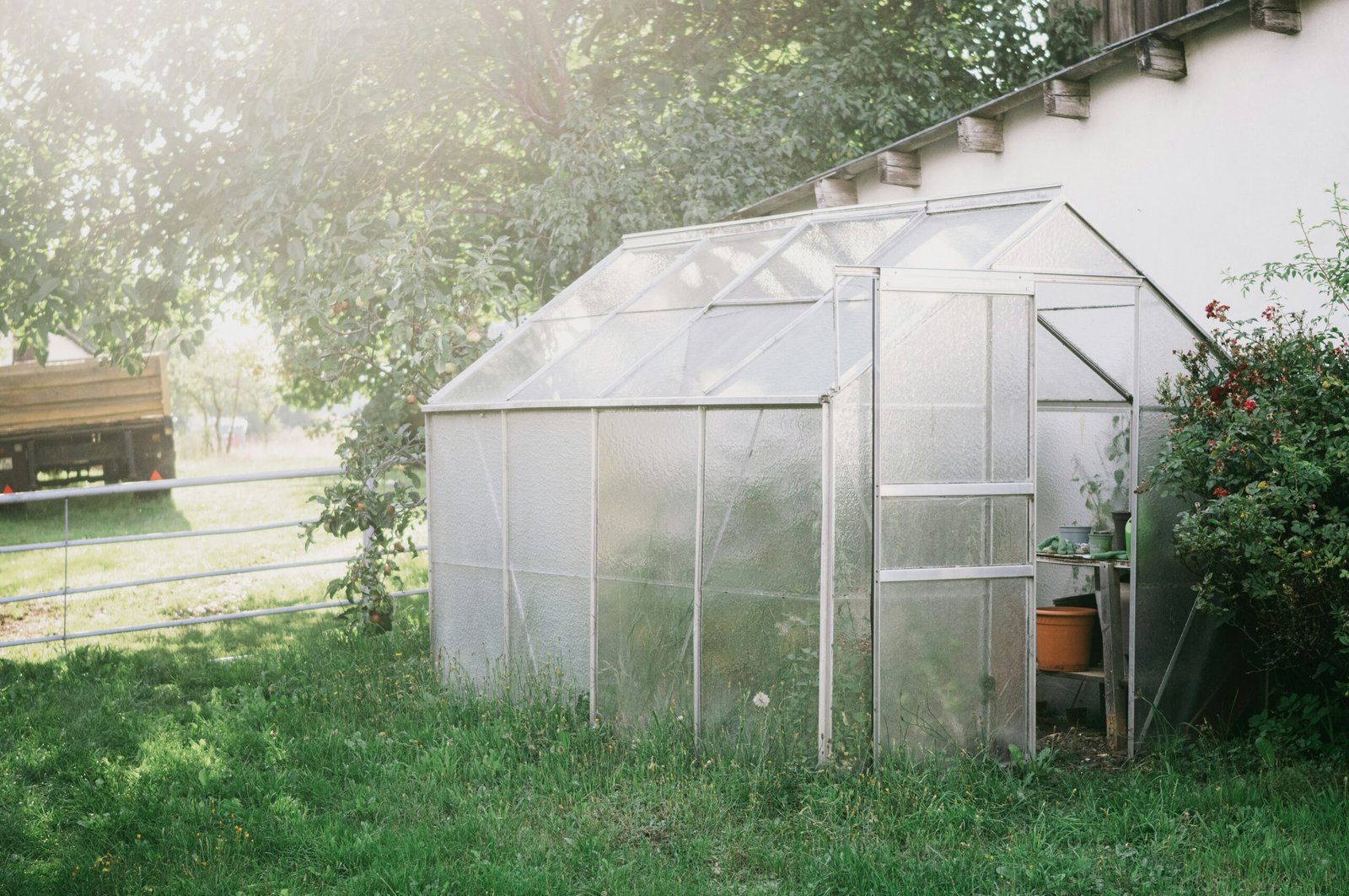

Small garden greenhouse ideas: Summary — https://www.youtube.com/watch?v=lyLqtgKsNTs
If you’re collecting small garden greenhouse ideas, the video “Design ideas for Small garden greenhouse” from Best Home Garden Ideas provides a useful visual starting point. The original video is brief, so this article expands its design theme into a practical planning guide you can use before buying materials or choosing a kit.
The central idea is straightforward: a productive greenhouse doesn’t depend on size alone. You can make a compact structure work by coordinating its footprint, walking route, plant placement, light, ventilation, and maintenance access. A greenhouse that looks attractive but leaves no room to water, prune, clean, or move containers will quickly become difficult to use.
Use these small garden greenhouse ideas as a framework for making decisions in the right order. First assess the location, then match the structure to your intended plants and available time. You can compare your plans with the creator’s visual examples in the original Best Home Garden Ideas video.
The best small garden greenhouse ideas are therefore practical as well as visual. They help you decide what belongs inside, where it should go, and how you will reach it throughout the growing season.
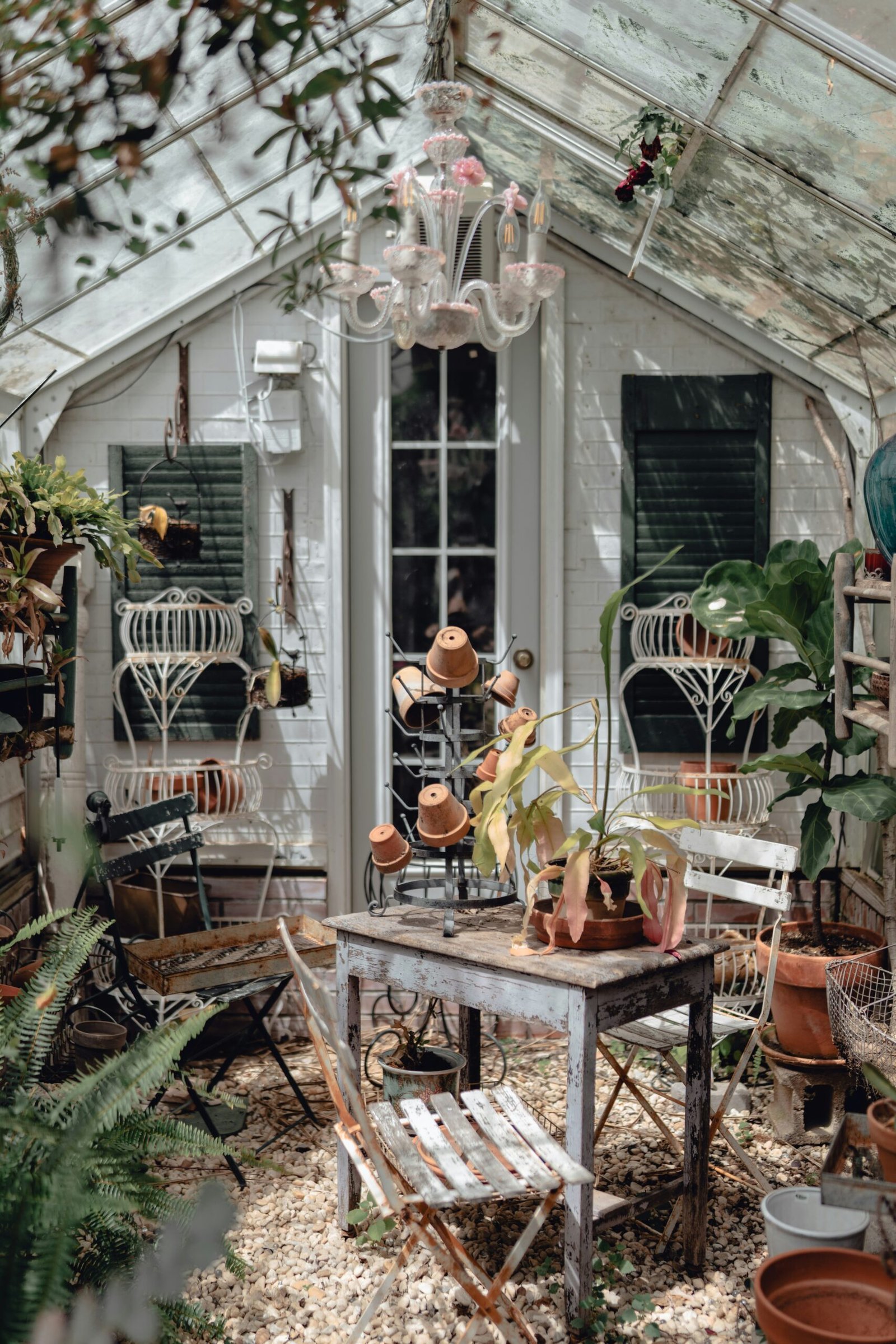
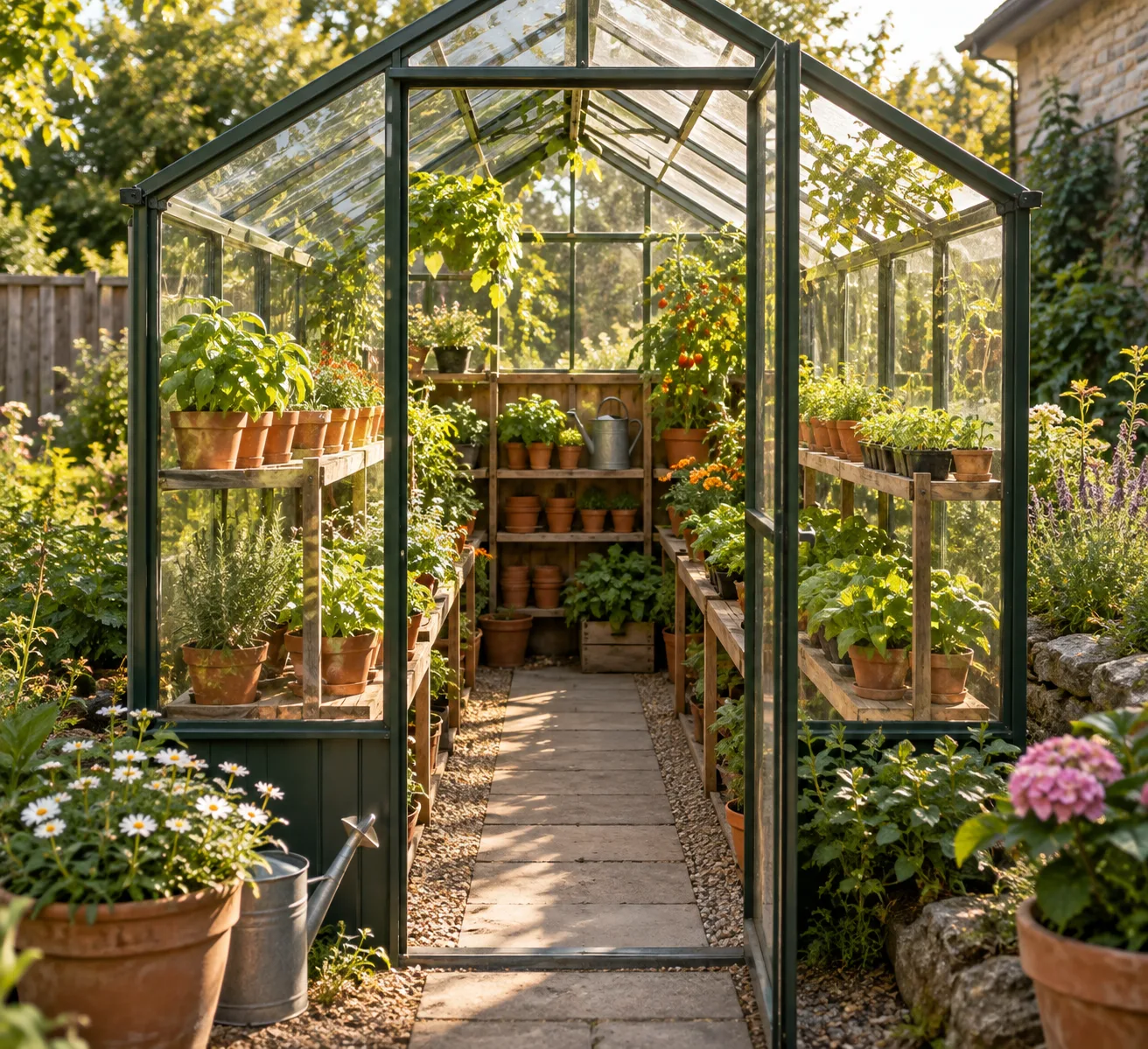
Small Garden Greenhouse Ideas: Key Takeaways
The most useful small garden greenhouse ideas begin with four planning priorities: select an appropriate footprint, protect a usable walking route, place plants where they can receive suitable light, and include a way to manage airflow. These decisions influence one another. Adding shelves may increase growing space, for example, but shelves placed beside the entrance could restrict access.
According to Best Home Garden Ideas, the video’s role is to present design inspiration for a small garden greenhouse. This written guide turns that inspiration into decisions you can make before construction or installation. Instead of copying one visual arrangement, you can evaluate whether a proposed design fits your site, plants, storage needs, and maintenance routine.
Use this preliminary checklist when developing your own small garden greenhouse ideas:
- Available ground area and the space needed to enter
- Plants you intend to grow and their expected size
- Walking access for watering, pruning, harvesting, and cleaning
- Ventilation openings, doors, windows, or movable panels
- Shelves, benches, containers, and possible vertical space
- Water access and the route for carrying supplies
- Whether the greenhouse will be used seasonally or throughout the year
Keep the list visible while comparing designs. A compact greenhouse should support your routine, not create a collection of obstacles that must be moved every time you handle a plant.
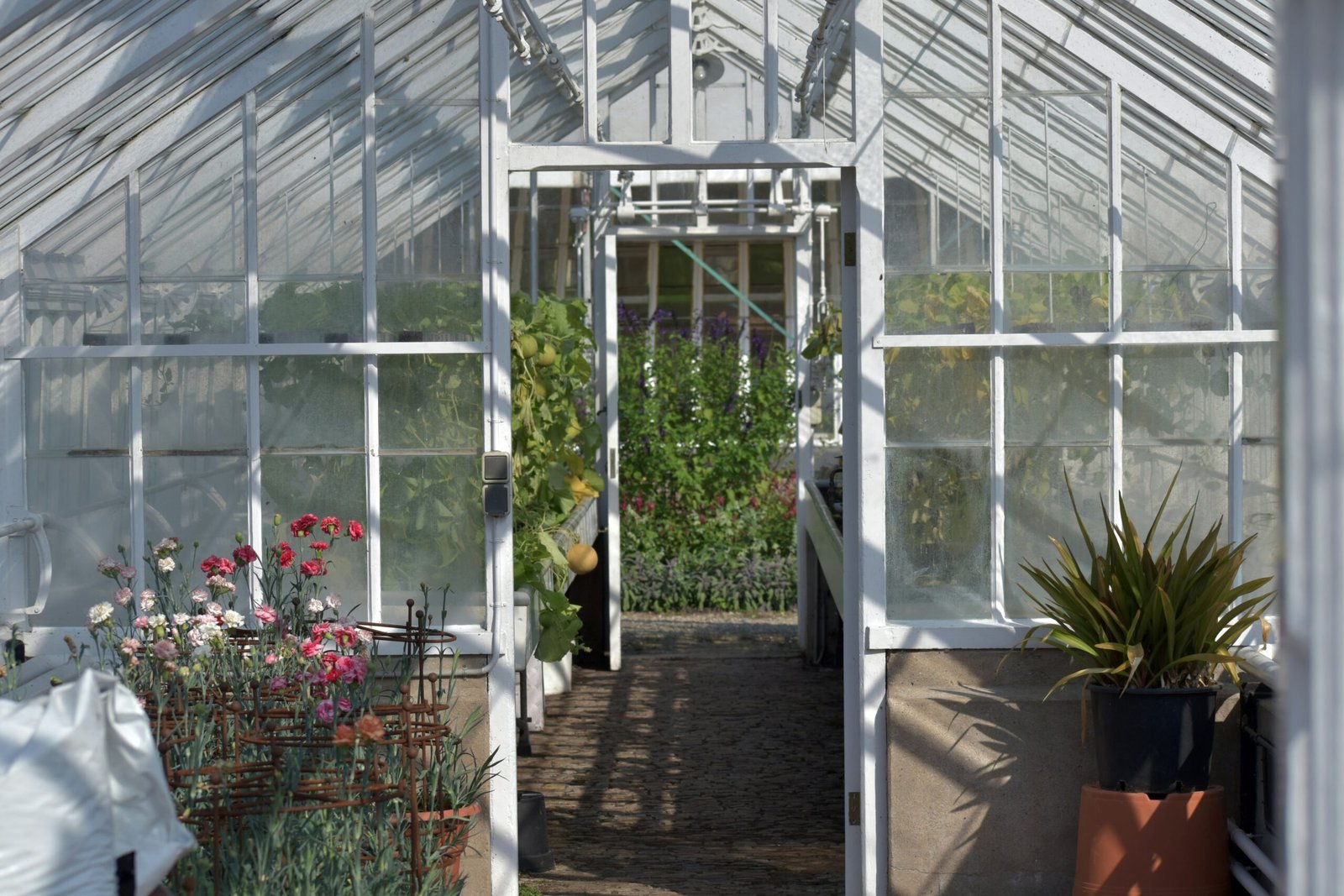
How to Choose the Right Small Greenhouse Footprint
Before you compare small garden greenhouse ideas, measure the proposed location rather than relying on the structure’s advertised footprint alone. Mark the area on the ground and identify where the door will open. Then consider the space needed to approach the entrance, carry containers, inspect the covering, and work around the structure.
A useful footprint is the amount of space that supports growing and movement together. A narrow design may suit seedlings or a limited herb collection, while a slightly broader arrangement may be more practical for containers and shelving. Your decision should follow your growing purpose: a greenhouse for starting plants has different internal demands from one intended for a collection of mature containers.
Several small garden greenhouse ideas can be tested with a simple plan:
- Central walkway: Place growing areas on both sides and keep the middle route clear.
- Perimeter growing: Use the edges for containers or beds while reserving the center for movement.
- One-sided shelving: Put shelves along one wall and leave the opposite side available for floor-level containers.
These layouts are concepts, not fixed models specified by the video. Draw each option, mark the entrance, and imagine watering every plant without stepping on or repeatedly moving another container. The strongest small garden greenhouse ideas are the ones that still work when plants are full-sized and supplies are inside.
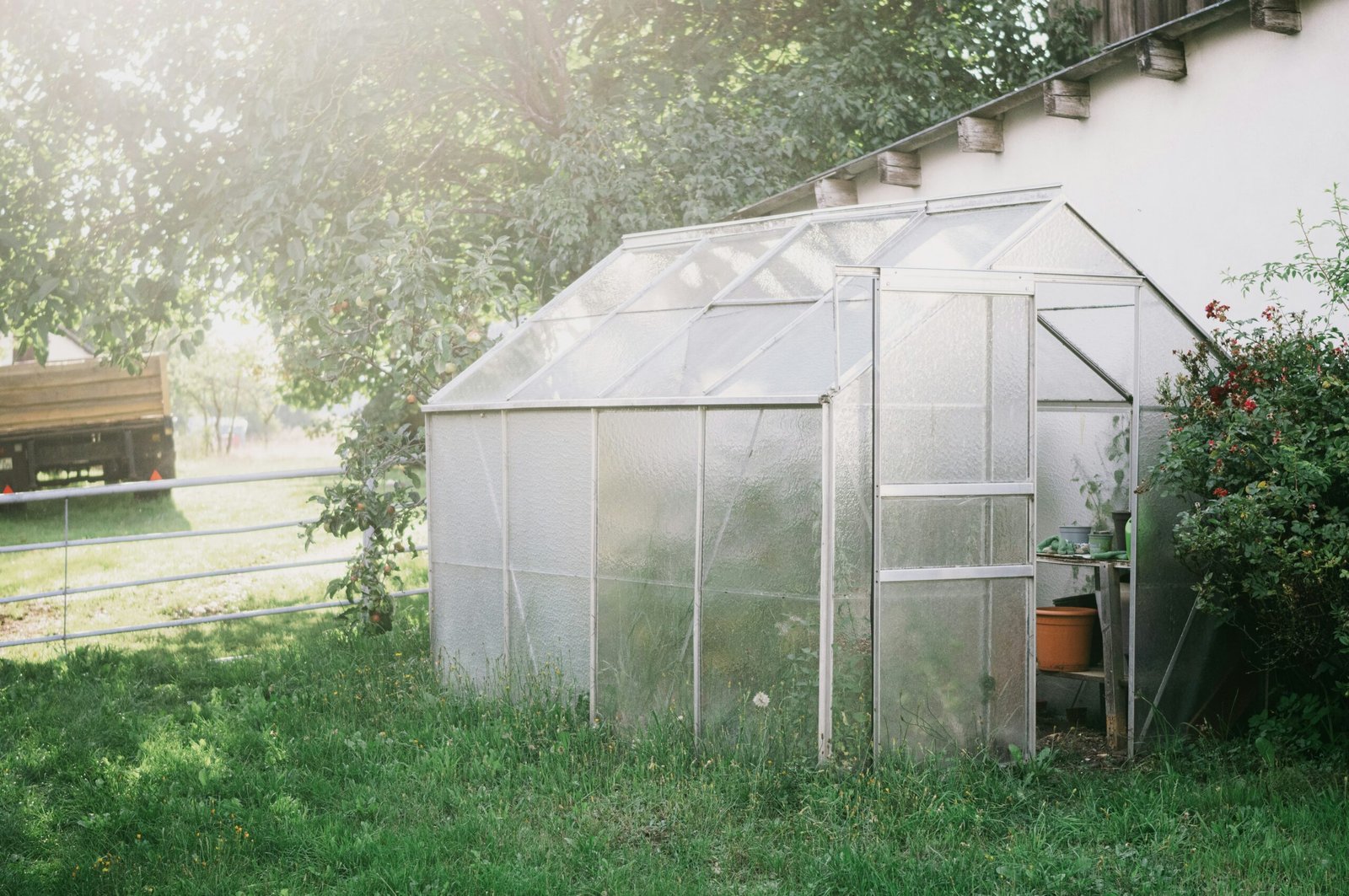
Small Garden Greenhouse Layouts That Improve Access
Good small garden greenhouse ideas separate the walking area from the growing area. That separation doesn’t need to be elaborate. Even a clearly marked route can make watering, pruning, harvesting, checking leaves, and cleaning much easier than a floor filled edge to edge with containers.
Floor-level containers are flexible because you can rearrange them as plants grow or as seasonal priorities change. They may also be easier to remove for cleaning. Shelves and benches, by contrast, create additional growing surfaces by using vertical space. They can place plants at a convenient working height, but they also need to be positioned so they don’t narrow the entrance or block access to lower plants.
Before buying materials, turn your small garden greenhouse ideas into a simple floor plan. Draw the structure as a rectangle or outline, then add the following:
- Mark the entrance and the direction in which the door opens.
- Draw the main walking route from the entrance to the furthest working area.
- Add benches, shelves, and floor-level containers.
- Mark ventilation openings so shelves won’t obstruct them.
- Leave room to remove a container without dismantling the whole arrangement.
Walk through the plan mentally: where will you stand while watering, where will you place a tray temporarily, and how will you reach the back wall? The most practical small garden greenhouse ideas make routine actions obvious before the structure is assembled.
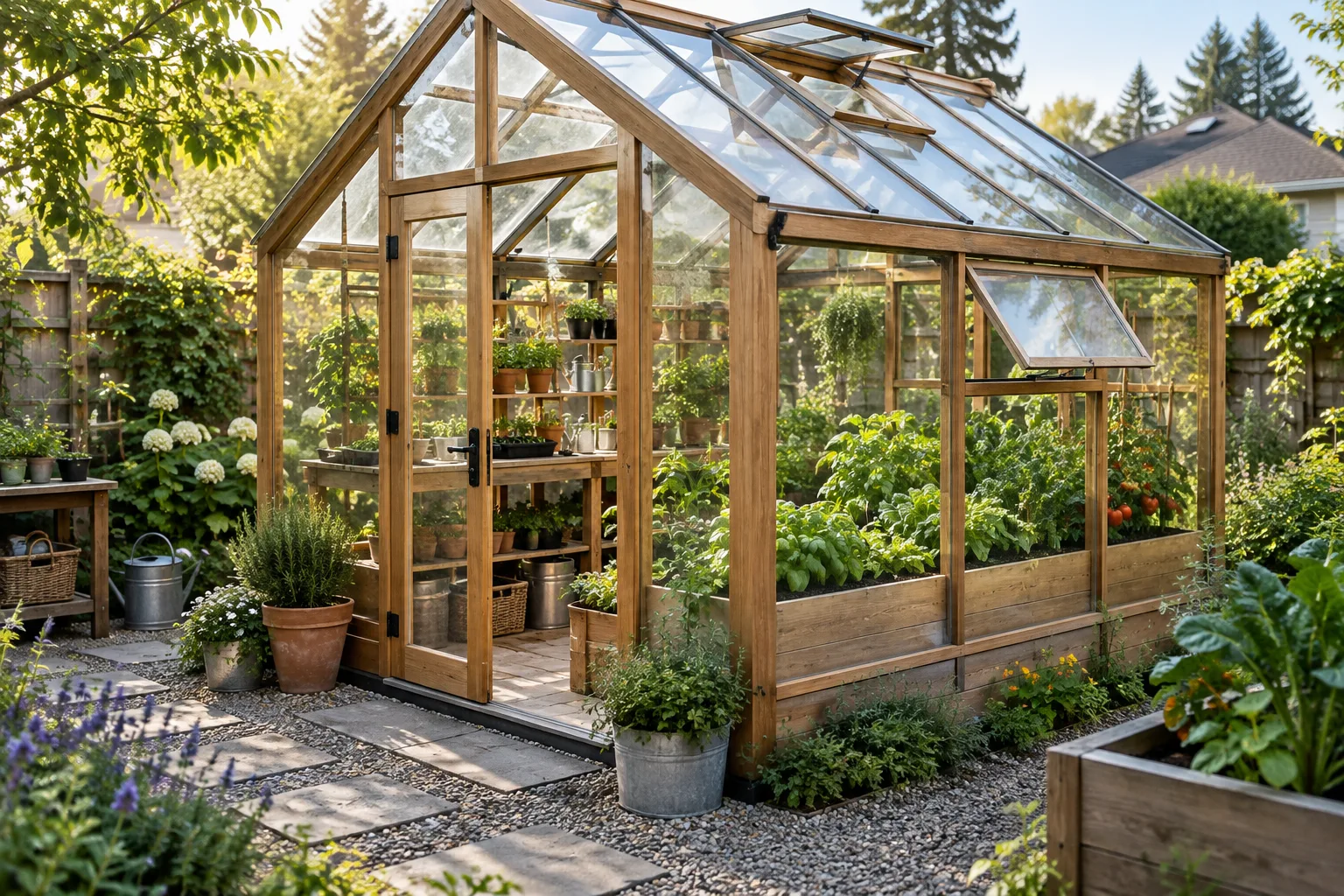
Materials, Glazing, and Visual Design Choices
When reviewing small garden greenhouse ideas, organize the visible design into five components: the frame, transparent covering, door, shelves, and base. Looking at these parts separately helps you compare a design’s appearance with its practical demands. A greenhouse should be evaluated not only for how it looks in a garden but also for how you will assemble, access, clean, repair, and reorganize it.
For the frame and covering, consider durability, cleaning requirements, light transmission, maintenance, and compatibility with the intended location. The video supplies visual inspiration rather than a specification sheet, so it doesn’t establish a particular material as the correct choice. Your task is to ask whether the proposed materials suit the place where the structure will stand and the way you expect to use it.
Apply the same reasoning to other small garden greenhouse ideas. Check whether the door is easy to use, whether the base gives the structure a stable starting point, and whether shelves can be reached without disturbing neighboring plants. Transparent panels should be considered alongside their cleaning access and their relationship to the frame, not as an isolated feature.
Before committing, write a short comparison for each option: what needs cleaning, what may need adjustment, which parts can be reached, and what would happen if a shelf or panel needed repair. This practical review turns the visual style shown by Best Home Garden Ideas into a design you can manage over time. Attractive details matter, but usable details determine whether the greenhouse earns its space.
Lighting and Orientation for a Compact Greenhouse
The best small garden greenhouse ideas begin with the light available at the proposed site. Nearby buildings, trees, fences, walls, and other structures can affect where direct light and shade appear. A location that looks open at one time of day may be shaded later, so inspect the site before finalizing the position.
Use a simple observation process. Visit the proposed location at different times of day and record whether the greenhouse area receives direct light or shade. Note nearby obstructions and consider whether their effect changes during the day. You don’t need a complicated measuring system; consistent observations are more useful than choosing a position based on a single visit.
These observations help you refine small garden greenhouse ideas before installation. If the site receives limited light, choose plants compatible with those conditions rather than assuming every greenhouse location supports every plant. Plant needs vary, and the structure itself cannot compensate for a location that doesn’t provide the conditions your intended collection requires.
Orientation should also be considered with access. A position may receive suitable light but be awkward to reach with water, containers, or tools. Review light, shade, entry, and maintenance together. The video’s design examples can inspire the appearance of the structure, while your site observations determine whether that appearance can become a useful growing space.
Ventilation, Temperature, and Everyday Maintenance
Include ventilation when developing small garden greenhouse ideas, not as an afterthought once the structure is complete. Doors, windows, vents, or other openings should be considered alongside shelves and plant positions. A design that looks efficient on paper may perform poorly if its openings are blocked or difficult to operate.
The video does not provide exact temperature ranges or equipment specifications, so this guide avoids assigning unsupported figures. Instead, focus on features you can inspect: can openings be reached, do they operate as intended, and will your internal arrangement leave them unobstructed? These questions are relevant whether the greenhouse is a simple structure or a more detailed design.
Build these small garden greenhouse ideas into a repeatable maintenance routine:
- Inspect the transparent covering for dirt, damage, or areas that need attention.
- Check that doors, windows, vents, and movable panels work properly.
- Remove fallen leaves, dead plant material, and other debris.
- Monitor moisture and look for signs that watering needs to be adjusted.
- Keep the walking route clear so every plant and opening remains reachable.
Regular inspection is easier when the layout supports it. A visually appealing greenhouse that cannot be cleaned or reached comfortably may be less useful than a simpler design with clear access. The strongest small garden greenhouse ideas treat maintenance as part of the layout, not as a task to solve later.
Organizing Plants, Shelves, and Containers
To make small garden greenhouse ideas work in practice, organize plants by height, care needs, and how often you handle them. Taller items should not unnecessarily block shorter plants, ventilation openings, or the working route. Plants that require frequent watering or inspection should be easy to reach rather than placed behind a dense group of containers.
Movable containers allow you to change the arrangement as plants grow. Adjustable shelves can provide similar flexibility when different plant groups need different positions. These features are especially useful in a compact greenhouse because the best layout at the start of a season may not remain suitable later.
Use this method to arrange your small garden greenhouse ideas step by step:
- Place frequently handled plants near the entrance or along the clearest working route.
- Reserve stable positions for larger or heavier containers that you won’t want to move often.
- Group plants with similar care needs, and label the groups so the arrangement remains clear.
- Place taller plants where they won’t unnecessarily shade or obstruct shorter plants.
- Leave enough room to water one group without knocking into neighboring containers.
Review the arrangement after placing everything. Can you reach the back shelf? Can you remove one container without moving several others? These checks turn small garden greenhouse ideas into an adaptable system rather than a one-time display.
A Small Garden Greenhouse Planning Checklist
Use this checklist to test your small garden greenhouse ideas before construction or installation. The goal is to identify practical conflicts while changes are still easy and inexpensive.
- Site measurements: Record the proposed footprint, entry area, and working space around the structure.
- Sunlight: Observe direct light and shade at different times of day.
- Access: Confirm that you can enter, carry supplies, water, prune, harvest, and clean.
- Drainage: Consider how water will move around the intended base and access route.
- Frame and covering: Compare durability, cleaning, light transmission, maintenance, and site compatibility.
- Ventilation: Identify doors, windows, vents, or movable panels and keep them reachable.
- Shelving: Decide where vertical storage or growing surfaces can fit without blocking movement.
- Water access: Plan how water will reach the greenhouse and where containers can be filled or handled.
- Intended plants: Match the structure and available conditions to your actual growing goals.
Test the proposed arrangement with a floor sketch or temporary markers. Place objects where the frame, shelves, entrance, and containers would go, then walk the route. This is one of the most useful small garden greenhouse ideas because it reveals access problems before materials are purchased.
Follow this final decision sequence: define the growing purpose, measure the site, choose the layout, select materials, plan ventilation and other climate-control features, then review maintenance access. The sequence keeps visual inspiration connected to daily use.
Conclusion: Turn Small Garden Greenhouse Ideas Into a Usable Plan
The most successful small garden greenhouse ideas connect appearance with everyday work. Before choosing a design, define what you want to grow, measure the site, observe its light and shade, and reserve enough room for entry and maintenance. Then choose a layout that keeps plants accessible while making sensible use of shelves, benches, and containers.
Use the visual inspiration from Best Home Garden Ideas as a starting point, not as a substitute for site planning. The original video, “Design ideas for Small garden greenhouse”, can help you compare styles, while your own sketch should determine whether a design is practical to assemble, ventilate, clean, and reorganize.
- Write down your growing purpose and intended plants.
- Measure the proposed location and observe light at different times.
- Sketch the entrance, walking route, shelves, containers, and openings.
- Compare frame, covering, door, shelf, and base choices.
- Review water access, ventilation, drainage, and maintenance before committing.
The best small garden greenhouse ideas are not necessarily the most elaborate. They are the ones that give you a clear route, suitable conditions, and enough flexibility to keep the space productive as your plants and priorities change.
Key Takeaways
- Plan the footprint around both growing space and a usable route for entering, watering, pruning, harvesting, and cleaning.
- Observe sunlight and shade at different times of day before choosing the greenhouse location.
- Use shelves, benches, and movable containers carefully so they increase capacity without blocking access or ventilation.
- Treat doors, windows, vents, coverings, and maintenance access as part of the design from the beginning.
- Test the proposed arrangement with a floor sketch or temporary markers before buying materials or installing the structure.
Frequently Asked Questions
What should you consider before building a small garden greenhouse?
Assess available space, sunlight, access, ventilation, intended plants, water access, and maintenance. You should be able to enter the structure, reach plants, operate openings, inspect the covering, and keep the route clear.
How can you maximize space in a small greenhouse?
Use vertical shelving where it won’t block light or ventilation, organize containers by care needs, and maintain a clear access route. Movable containers and adjustable shelves can help you change the arrangement as plants grow.
Where is the best place to put a small greenhouse?
Assess sunlight, shade, accessibility, drainage, and nearby obstructions such as buildings, trees, or fences. Observe the proposed location at different times of day before finalizing the position.
Does a small greenhouse need ventilation?
Ventilation should be considered during the design stage. Evaluate doors, windows, vents, or movable panels and make sure shelves and plants won’t prevent you from reaching or operating them.
What can you grow in a small greenhouse?
The best choices depend on available light, internal space, temperature management, and your growing goals. Select plants that match the conditions you can provide rather than assuming every greenhouse location or layout suits every plant.