
Bamboo Greenhouse for Hydroponics: Project Overview
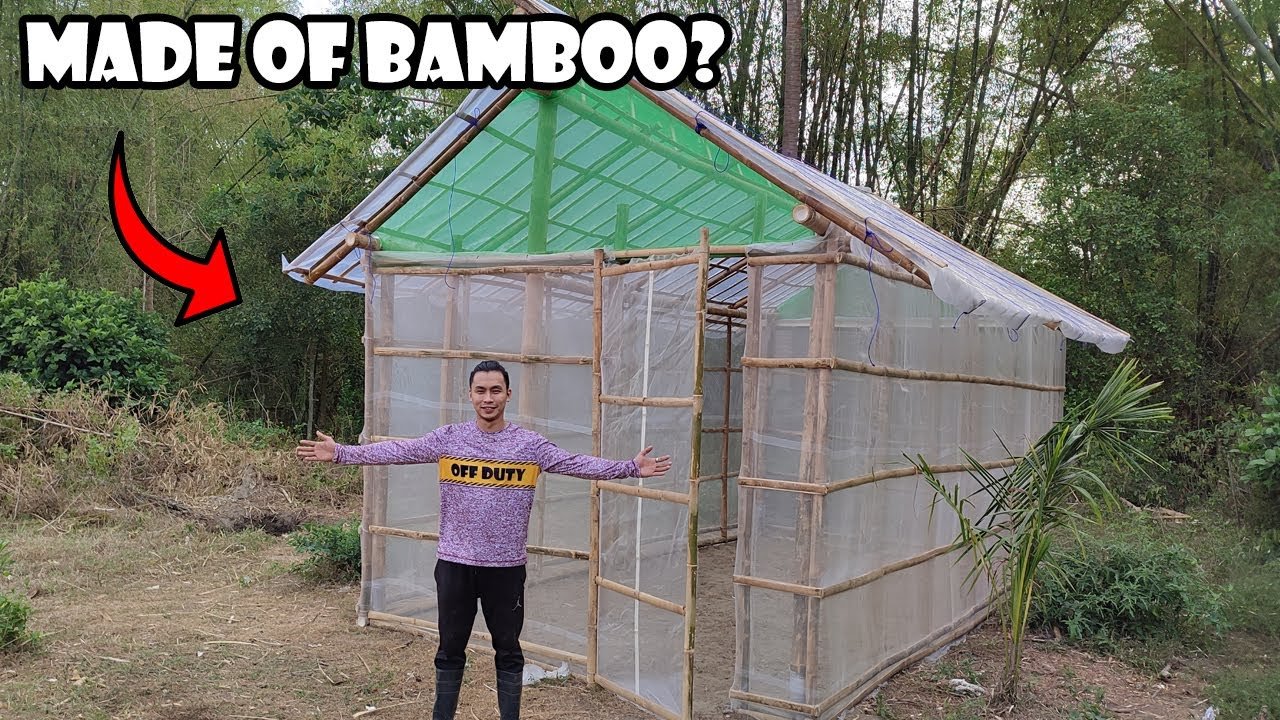
A bamboo greenhouse can be a practical starting point for a growing project, but a finished frame is only one part of the plan. In a short video from THE OFF DUTY ACCOUNTANT, the creator announces that a greenhouse made from bamboo is complete on the farm and is intended for a hydroponics project. The announcement is brief; it doesn’t show construction steps, measurements, materials, or the growing system.
That distinction matters if you’re considering a similar garden structure. The video confirms the project’s purpose and setting, not a particular design that you can copy directly. Use the completed bamboo greenhouse as inspiration, then make design choices according to your site, crops, climate, and available resources.
This article expands on that starting point with practical considerations for greenhouse design: planning a bamboo frame, selecting cladding, managing airflow, and laying out hydroponic equipment. These are planning recommendations, not specifications demonstrated in the video. The bamboo greenhouse project is introduced in the video’s spoken announcement, but the transcript supplies no timestamped chapters or further build details.
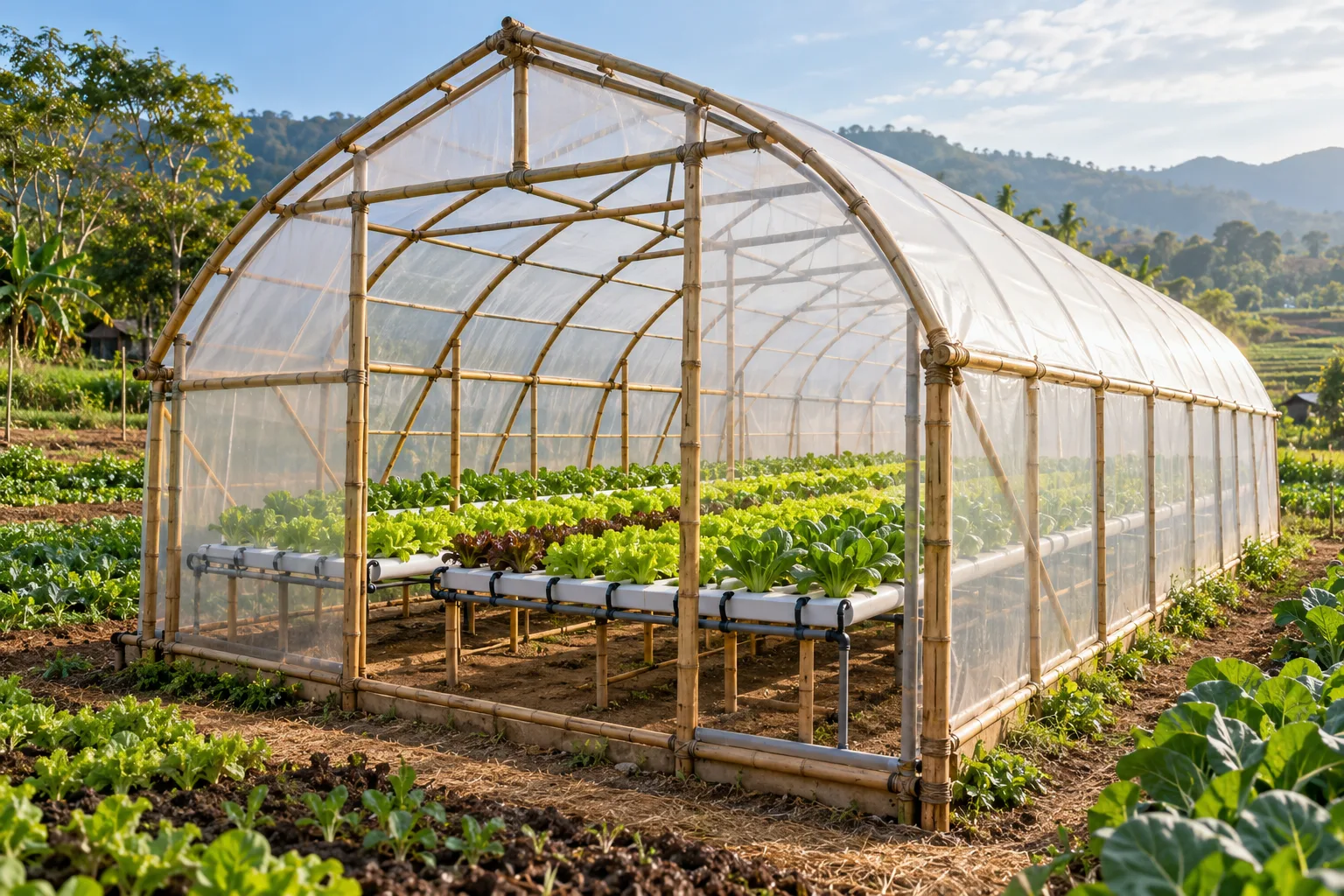
Key Takeaways for Planning a Bamboo Greenhouse
The video confirms three specific facts: the greenhouse is finished, it is on a farm, and it is intended for a hydroponics project. It doesn’t confirm the structure’s dimensions, bamboo species, joints, covering, ventilation, or hydroponic setup. Treat those unknowns as reasons to plan carefully—not as gaps you should fill with guesses.
Before building a bamboo greenhouse, assess the growing project and the site together. Make a short planning list:
- Crop and purpose: Decide whether you’re growing herbs, winter vegetables, or another crop, and whether this is home gardening or a school hydroponics project.
- Site conditions: Consider local weather, exposure to wind, drainage, and the space available.
- Structure and covering: Plan the frame, connections, cladding, and ventilation as a coordinated design.
- Growing equipment: Allow for water supply, drainage, maintenance access, and the chosen hydroponic system.
Bamboo construction may suit a DIY greenhouse or other bamboo structures, but suitability depends on design and site conditions. Don’t assume one span, joint, or frame arrangement will work everywhere. A bamboo greenhouse should be checked against local structural requirements, particularly where wind, snow, or other loads are a concern. The project is an encouraging example, not a substitute for assessing safety.
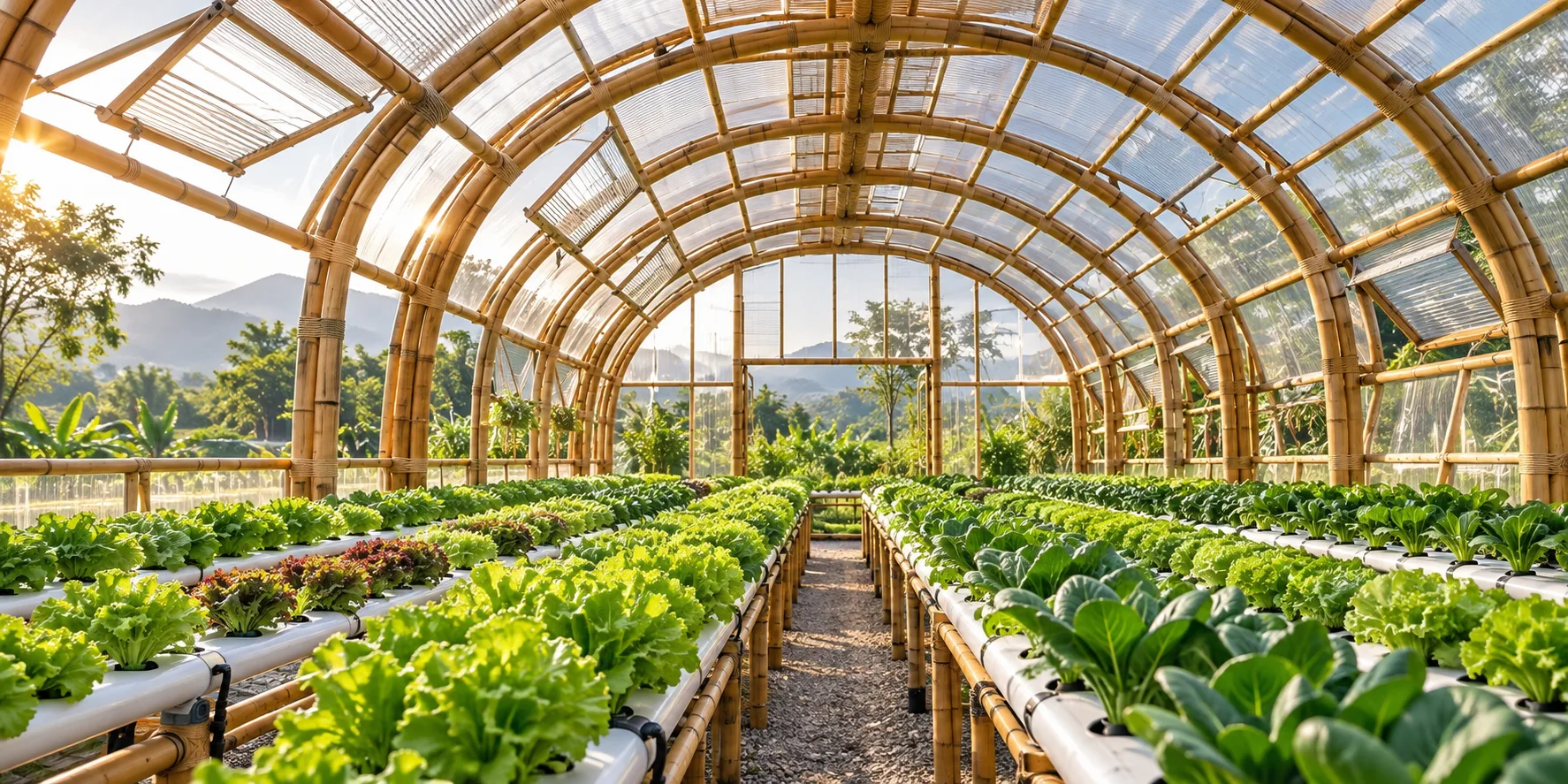
Plan Greenhouse Design Around Your Growing System
Start greenhouse design with what you’ll grow and how you’ll care for it. Crop choice affects the growing area and equipment; floor area determines where you can place channels, reservoirs, benches, and walking routes. Access matters too. You need room to inspect plants, replenish supplies, clean equipment, and reach the structure without stepping around hoses or wet floors. Plan a reliable water supply and a route for drainage before settling on the frame layout.
Possible uses include herb growing, winter vegetables, home gardening, and a school hydroponics project. These are examples of potential applications, not activities shown in THE OFF DUTY ACCOUNTANT’s video. If your goal is organic gardening, consider how the growing method, inputs, and any certification requirements fit that goal; don’t assume that using a greenhouse or hydroponics alone establishes an organic status.
For a bamboo greenhouse, sketch at least two layouts before construction. Options might include:
- A simple high tunnel for protected growing, with access and ventilation included in the plan.
- A dedicated hydroponic growing area that leaves room for reservoirs and maintenance.
- A vertical garden alongside floor-level growing, if you can safely support the plants and manage water.
A bamboo vertical garden or compact garden structure may work for a small project, while a larger setup needs a more deliberate circulation and service plan. Compare the usable growing space—not just the outside footprint—before you commit to the final design.
Bamboo Frame, Joints, and Structural Safety
The video confirms a bamboo frame in broad terms, but it provides no frame specifications. In planning a bamboo greenhouse, treat columns, connections, and bracing as parts of one structural system. A frame that looks sturdy isn’t automatically suitable for its span, cladding, or local weather. Bamboo construction should be designed for the actual site rather than copied from an image without dimensions or load information.
Joint choices are design options, not details established by the video. Lashing may be considered where the design and materials suit it; mechanical fasteners are another possible approach. Either needs appropriate detailing so connections remain secure and don’t damage the bamboo. Likewise, diagonal bracing can help resist movement, but the location and adequacy of bracing depend on the structure.
Check span limits and local wind or snow loads instead of guessing. A high-tunnel frame has its own geometry and requirements, so don’t assume a plan for another bamboo structure is interchangeable. If the proposed frame is large, exposed, or subject to uncertain loads, ask a qualified local professional or building authority for guidance before construction.
- Record the intended footprint and height.
- Identify local weather and applicable building requirements.
- Choose columns, joints, and bracing as a coordinated design.
- Seek qualified review when structural safety is uncertain.
This process won’t supply a universal design, but it helps you avoid treating a bamboo greenhouse as a one-size-fits-all project. The video’s completed structure shows the concept; it doesn’t establish a safe span or load rating for your site.
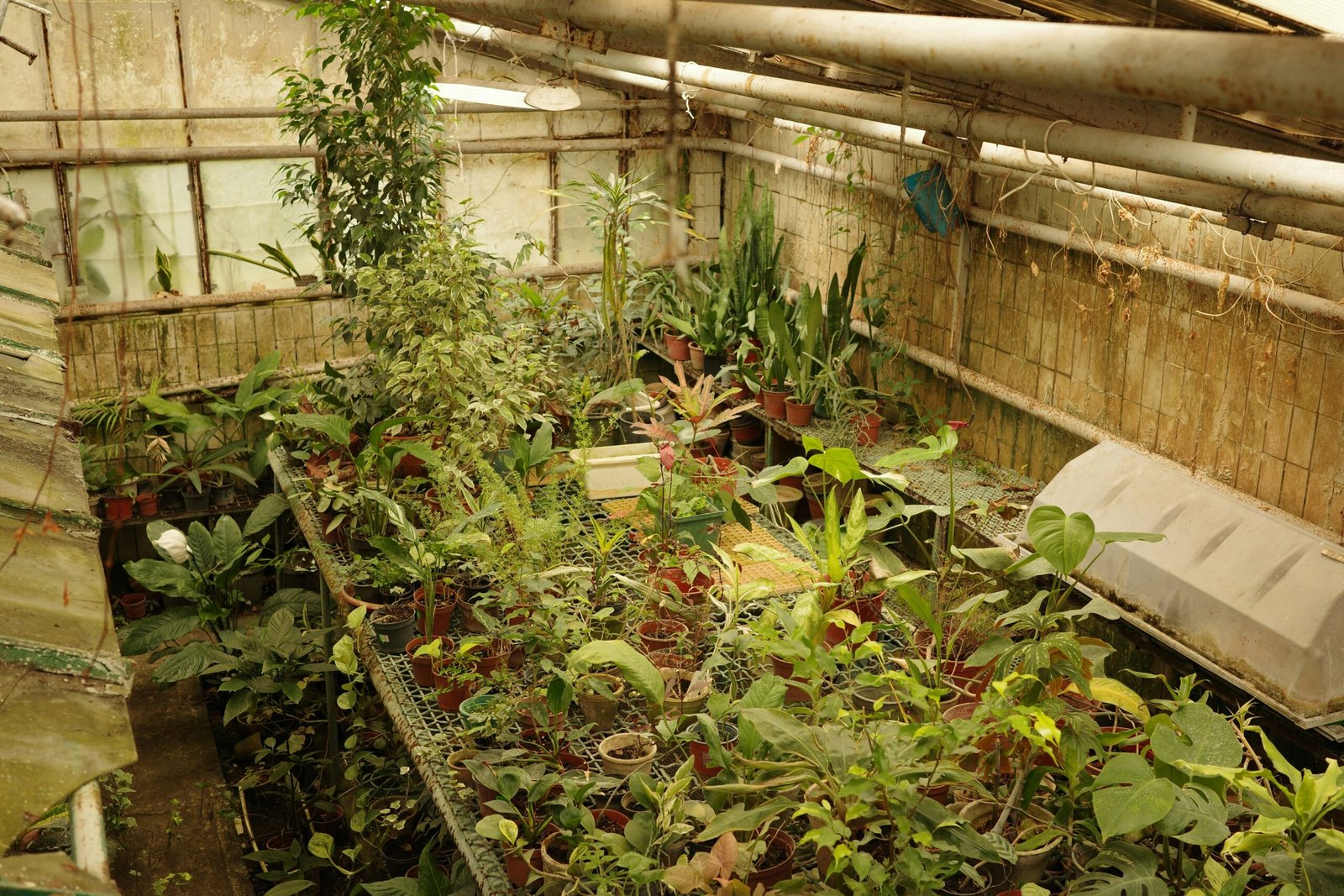
Select, Season, and Protect Bamboo
Not all bamboo performs alike, so choose material according to local availability, intended structural use, and site conditions. A bamboo greenhouse frame will be exposed to a growing environment where moisture may come from weather, irrigation, condensation, or spills. Consider that exposure when choosing the material and planning details; don’t assume a species or treatment used elsewhere will suit your project.
A practical preparation sequence is to source mature material, season it to reduce moisture, then inspect it before assembly. Look for visible damage or defects that could affect the intended use, and set aside pieces that don’t meet your selection criteria. The video doesn’t describe harvesting, seasoning, inspection, or treatment, so these steps are general planning considerations rather than a report of what the creator did.
Protection should address rot, insects, and mold. Detail the structure to avoid prolonged moisture exposure, and select a treatment that is suitable for the location and intended use. Where plants, water, or food crops are present, confirm that any treatment is appropriate for that growing environment before applying it. Follow the product’s directions and seek relevant expert advice if its suitability is unclear.
- Choose bamboo for the job and conditions, not by appearance alone.
- Season and inspect material before assembly.
- Plan details to limit persistent dampness.
- Check treatment suitability around crops and water.
These steps help you plan bamboo structures responsibly, but they don’t replace material-specific advice. Keep the bamboo greenhouse frame inspectable so you can notice deterioration early rather than waiting for a problem to become obvious.
Choose Cladding and Plan Ventilation
A bamboo greenhouse needs a covering suited to its growing purpose and local conditions. The video doesn’t identify the cladding used, so treat these as options to compare rather than materials shown by the creator. UV-resistant greenhouse film, polycarbonate, and shade cloth each represent a different covering choice; decide based on the protection and light management your crops need, as well as how the material will attach to the frame.
Plan attachment methods that hold the covering securely without damaging the bamboo. Allow access for inspection and repair, since a covering that cannot be checked easily can make upkeep harder. Match the attachment detail to the chosen material and frame rather than assuming one method works for all cladding.
Ventilation and airflow should be part of the first design sketch, not an afterthought. Plan openings and routes for air movement to help manage temperature and humidity, then adapt their arrangement to your climate. Shade and temperature management also affect greenhouse gardening and hydroponic growing: the needs of the crops and the site should guide the decisions.
- Choose a covering based on the growing purpose and local exposure.
- Work out how it will attach without harming the bamboo frame.
- Include ventilation openings and access for maintenance.
- Consider shade and temperature management for the selected crops.
There’s no single cladding and airflow arrangement established by the video. For a bamboo greenhouse, treat covering, attachment, ventilation, and inspectability as one design problem rather than choosing them separately.
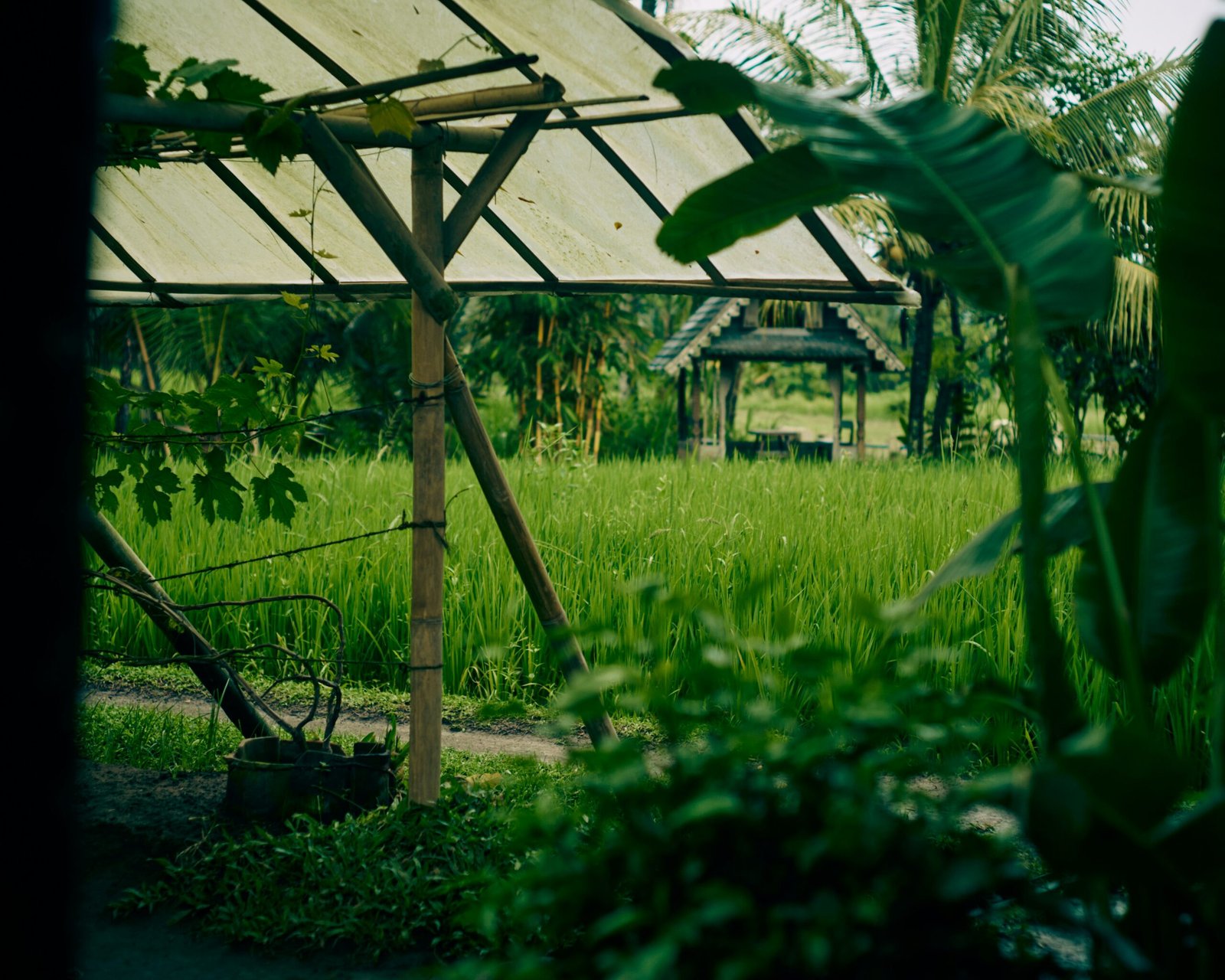
Match a Hydroponic System to the Bamboo Greenhouse
The video announces a hydroponics project but doesn’t show a system layout. A bamboo greenhouse can be planned around different hydroponic approaches, but crop choice, space, water handling, and maintenance should determine the fit. Consider NFT (nutrient film technique), deep water culture, and drip systems as possible options; compare the equipment and access each layout requires before deciding.
In this context, bamboo hydroponics means combining a bamboo garden structure with hydroponic growing equipment. It doesn’t mean the video demonstrates growing bamboo as a crop. Draw where reservoirs, channels, hoses, and plant areas will go, including clear routes for maintenance. Plan drainage so water doesn’t accumulate around bamboo columns or other parts of the frame.
Aquaponics is a related but distinct option: it combines plant production with an aquatic system, unlike standard hydroponics, which uses a nutrient solution without that described combination. The phrase bamboo aquaponics can describe an aquaponic setup housed in a bamboo structure, but the video doesn’t present that system either.
- Match the system to your crops and available floor area.
- Provide room to reach equipment and maintain water flow.
- Plan drainage and protect the frame from persistent dampness.
- Keep aquaponics distinct from a standard hydroponic setup when choosing equipment.
A small test layout on paper can reveal conflicts before you install equipment. In a bamboo greenhouse, a neat system layout is also a way to keep water management and frame maintenance connected.
Water Quality, Nutrients, and Routine Maintenance
Plan how you’ll monitor water quality before starting hydroponic growing. Check the nutrient solution’s pH and electrical conductivity (EC) using suitable tools and follow instructions appropriate to your system. The transcript gives no measurements, nutrient recipe, or water-quality procedure, so there is no video-specific formula to repeat. Choose nutrient guidance for your crops and equipment from reliable product instructions or qualified expert advice rather than relying on a universal recipe.
Set a repeatable routine for your bamboo greenhouse. A simple checklist helps you notice changes while they’re manageable:
- Inspect the frame and cladding for visible damage or deterioration.
- Check pumps, water flow, channels, hoses, and drainage.
- Observe plant health and note changes that may need attention.
- Record pH and EC readings so you can track the solution over time.
- Clean equipment as appropriate and check for leaks.
Regular cleaning supports system reliability; leak checks also help protect the bamboo structure from repeated moisture exposure. Keep notes alongside maintenance rather than relying on memory, especially if several people share a school hydroponics project or other growing space.
The right schedule depends on the system and its instructions, so don’t invent a fixed frequency from a video that doesn’t show operating details. For a bamboo greenhouse, pair crop care with frame and water-system checks: plants, equipment, and structure all depend on a well-managed growing space.
Conclusion: Turn the Project Into a Safe Growing Plan
THE OFF DUTY ACCOUNTANT’s video provides a clear starting point: a farm greenhouse made from bamboo is complete and intended for a hydroponics project. It doesn’t supply construction measurements, structural specifications, cladding details, or a hydroponic layout. That makes your next step planning, not direct replication.
Before you build, write down your crop goals, site conditions, available space, and maintenance needs. Sketch the frame and system together, including columns, joints, bracing, covering, ventilation, water supply, drainage, and access. Then check local structural requirements and get qualified guidance if loads or building rules are uncertain. Select and prepare suitable bamboo, verify that any treatment fits a growing environment, and choose hydroponic equipment according to your crops and care capacity.
- Define the growing project and site constraints.
- Plan the structure, cladding, airflow, and hydroponic layout.
- Confirm structural safety and material suitability.
- Set up a routine for water quality, cleaning, and inspections.
These steps turn the video’s brief announcement into a useful design prompt. Whether you’re considering a DIY greenhouse, a high tunnel, or another bamboo garden structure, make the plan fit your location before committing materials or equipment.
Key Takeaways
- The video confirms a completed bamboo greenhouse on a farm, intended for a hydroponics project; it doesn’t show how it was built or equipped.
- Plan crops, site, structural safety, cladding, ventilation, water, drainage, and maintenance before construction.
- Choose bamboo and protective treatment for the intended use and local conditions; seek qualified guidance when structural requirements are uncertain.
- Compare hydroponic layouts according to crop needs, space, water handling, and maintenance access.
- Monitor pH and EC, inspect the frame and covering, and check water flow and leaks as part of ongoing care.
Frequently Asked Questions
Can you grow bamboo in hydroponics?
Bamboo can be grown hydroponically in principle, but the video doesn’t test or describe bamboo as a crop. It says the completed farm greenhouse is intended for a hydroponics project.
How to build a greenhouse for hydroponics?
Plan the site, frame, cladding, ventilation, water supply, drainage, and system layout before construction, then check local structural requirements. The video confirms a completed bamboo greenhouse but doesn’t provide build instructions.
Can you make a greenhouse from bamboo?
Yes. Bamboo can be used as a greenhouse frame, as the completed farm structure in the video demonstrates, but the design and material treatment should suit local conditions.
What are some easy projects I can make with bamboo?
Possible projects include a small garden structure, a vertical garden support, or a simple greenhouse frame. Choose one that matches your skills and verify that it can be built safely.
Does the video show the greenhouse’s hydroponic system or construction steps?
No. The short spoken announcement says the bamboo greenhouse is finished and intended for a hydroponics project, but it provides no construction details or system layout.