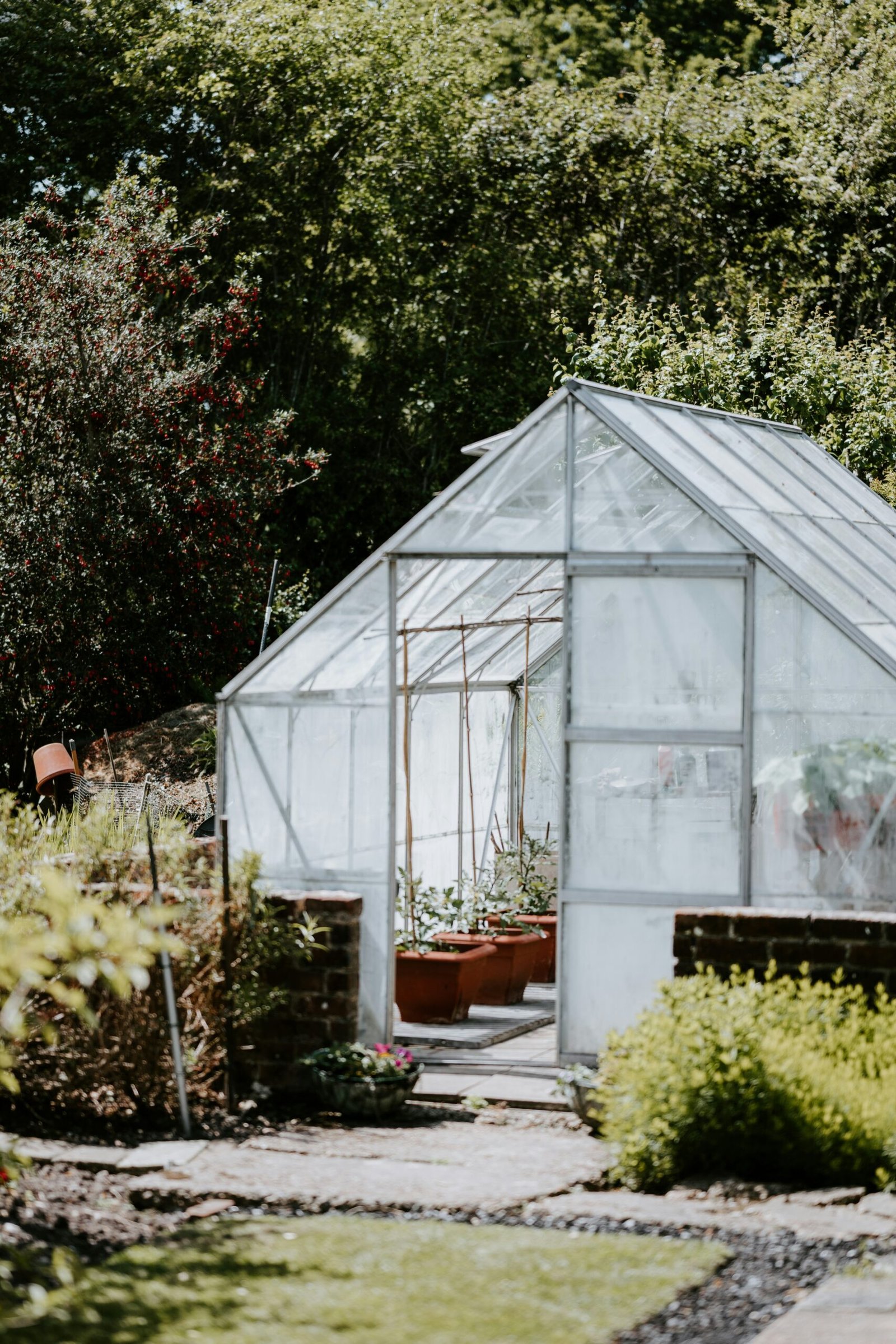

Cold-Climate Greenhouse Gardening: Key Takeaways
A cold-climate greenhouse can extend your growing season, but success depends on managing both cold and heat. A greenhouse offers shelter and captures warmth; it doesn’t automatically stay above freezing or remain at a safe temperature when the sun comes out. Ashley, the soil scientist behind Gardening In Canada, shares a routine developed in her Zone Canadian garden, which she identifies as USDA Zone 4.
Her central routine is simple: water in the evening to raise humidity, run a heater overnight when conditions call for it, then reassess in the morning. If the forecast shows a positive afternoon temperature, she turns the heater off. She keeps the door closed when the positive forecast is below 10°C, but opens it when the forecast is above 10°C to encourage airflow and prevent overheating.
That approach offers a useful starting point for a cold-climate greenhouse, not a universal temperature prescription. Your structure, weather, crops, and ability to check it during the day all matter. The video also addresses late frost protection, a blanket as a contingency on a very cold night, and container-grown warm-season crops. The practical lesson is to use a cold-climate greenhouse as a managed growing space: observe conditions, adjust heat and ventilation, and choose plants suited to the temperatures you can maintain.
- Heat overnight only when needed, then reassess in the morning.
- Ventilate on warm days; cold isn’t the only threat to plants.
- Match crops to conditions rather than assuming the greenhouse creates summer weather.
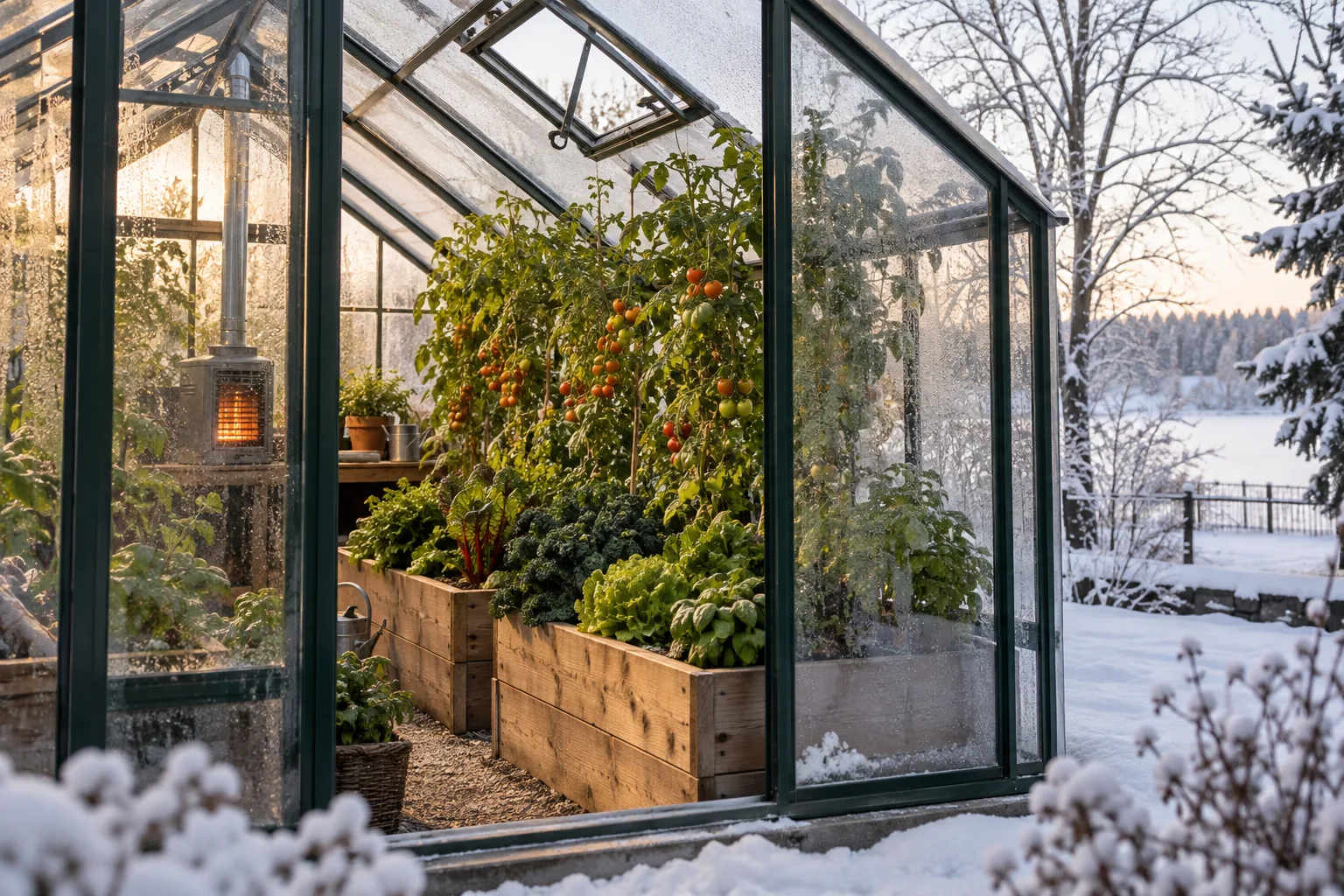
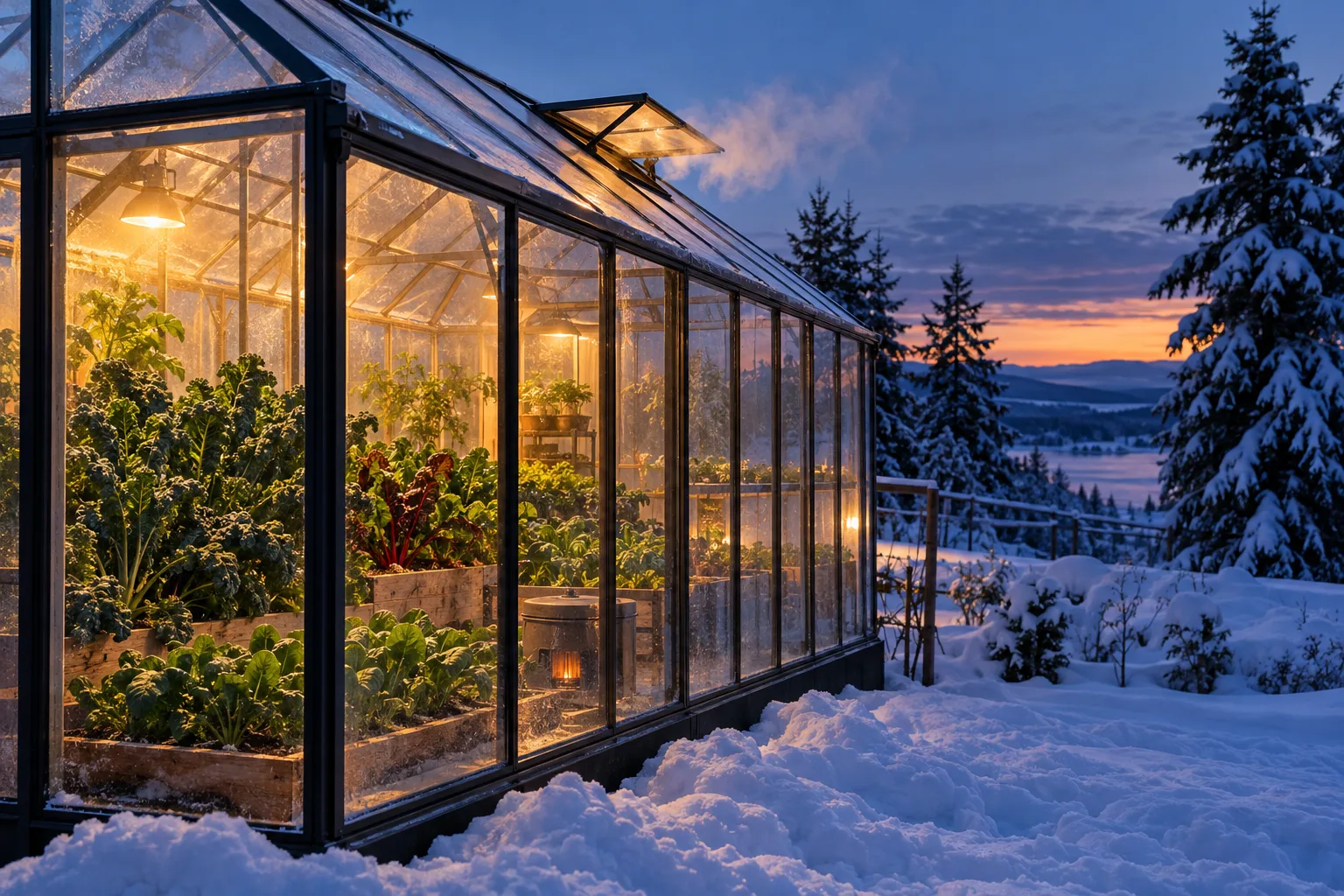
What a Greenhouse Can—and Can’t—Do in a Cold Climate
A greenhouse helps with season extension by sheltering plants and capturing solar warmth, but an unheated structure cannot promise frost-free conditions. On a cloudy day, during a cold spell, or overnight, its interior temperature can fall. The video doesn’t claim a specific temperature gain over outdoors, and gardeners shouldn’t rely on an assumed number. Measure the conditions inside your own cold-climate greenhouse.
Ashley gardens in Zone in Canada, or USDA Zone 4, and describes a short growing season and late frost risk. She also reports that moving plants from under grow lights into her greenhouse led to noticeably rapid growth. That’s her observation, not a guarantee that every plant will respond the same way. A greenhouse changes the conditions plants experience; it doesn’t remove the need to watch temperatures, water, and airflow.
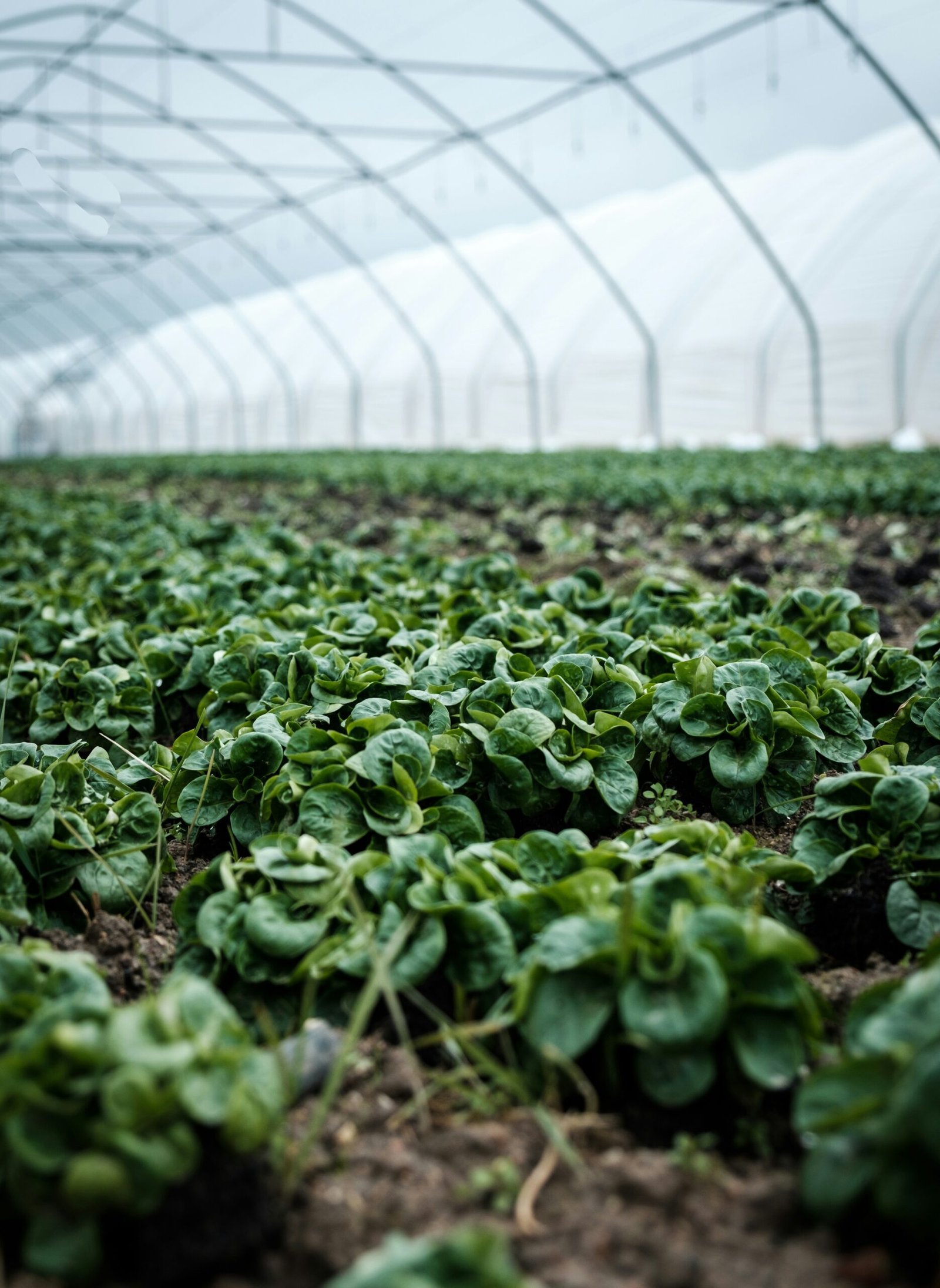
For beginners, seedlings and cool-season crops are sensible early uses. Lettuce and other cool-season greens, along with suitable herbs, can be considered when the greenhouse’s actual conditions fit the crop. These examples are general planning suggestions, not a crop list demonstrated by Ashley. Cold frames are another sheltered growing option to compare if you need a smaller space for seedlings or greens; the video doesn’t cover them.
Warm-season crops demand more attention. Ashley discusses melons, peppers, and tomatoes in containers, but stresses opening the greenhouse during the day. A cold-climate greenhouse can support growth and season extension, yet crop choice and temperature management must work together. For late frost protection, check the forecast and the greenhouse reading rather than assuming the structure alone will protect tender plants.
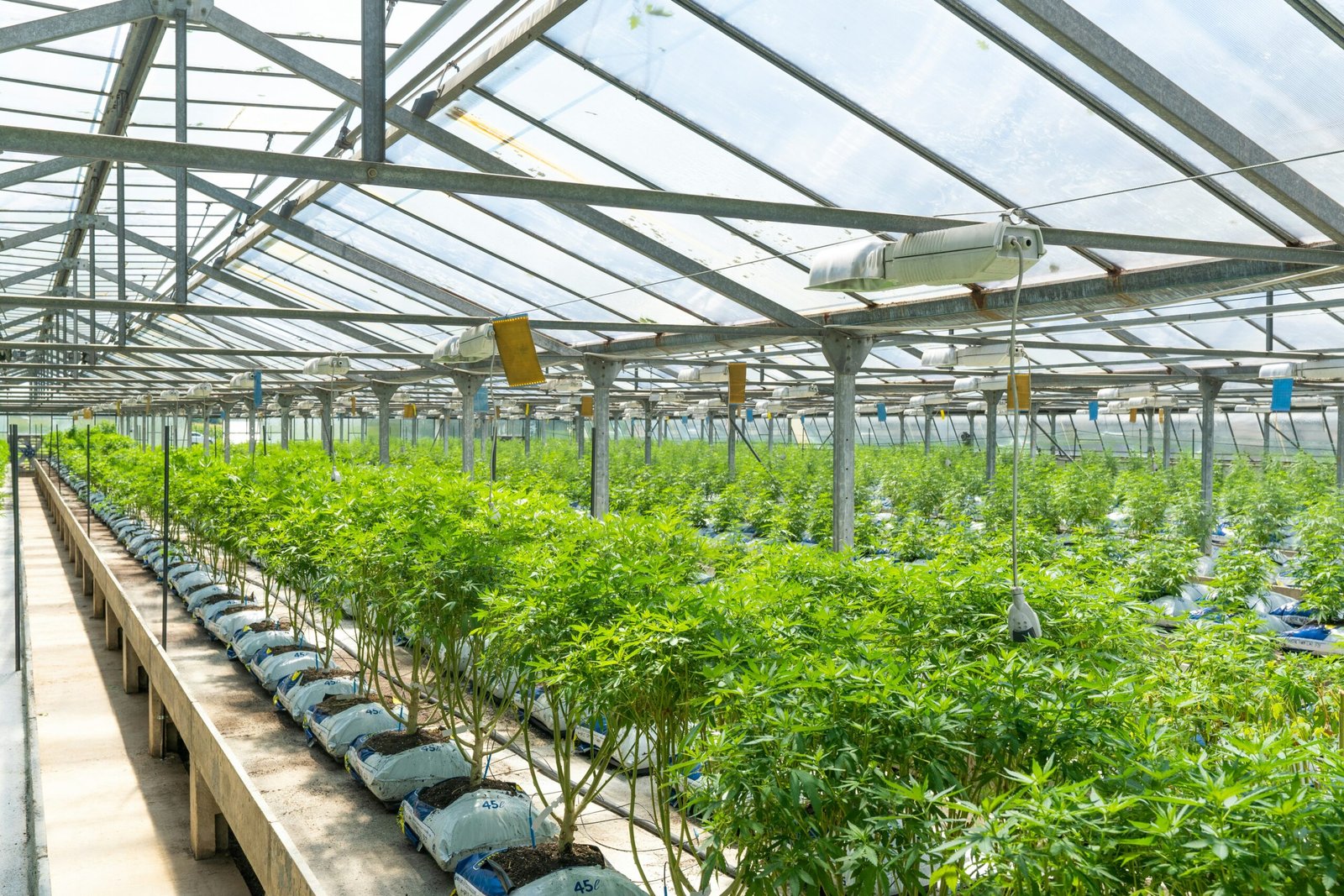
Choosing a Site, Size, and Structure for Winter Weather
Choose a greenhouse site that receives direct sunlight and that you can reach to check temperatures and open the door during the day. Sunlight can warm the interior, while convenient access makes daily ventilation practical. These are planning considerations beyond Ashley’s specific demonstration, but they directly support the routine she describes: check the forecast, then decide whether to keep the door shut or open it.
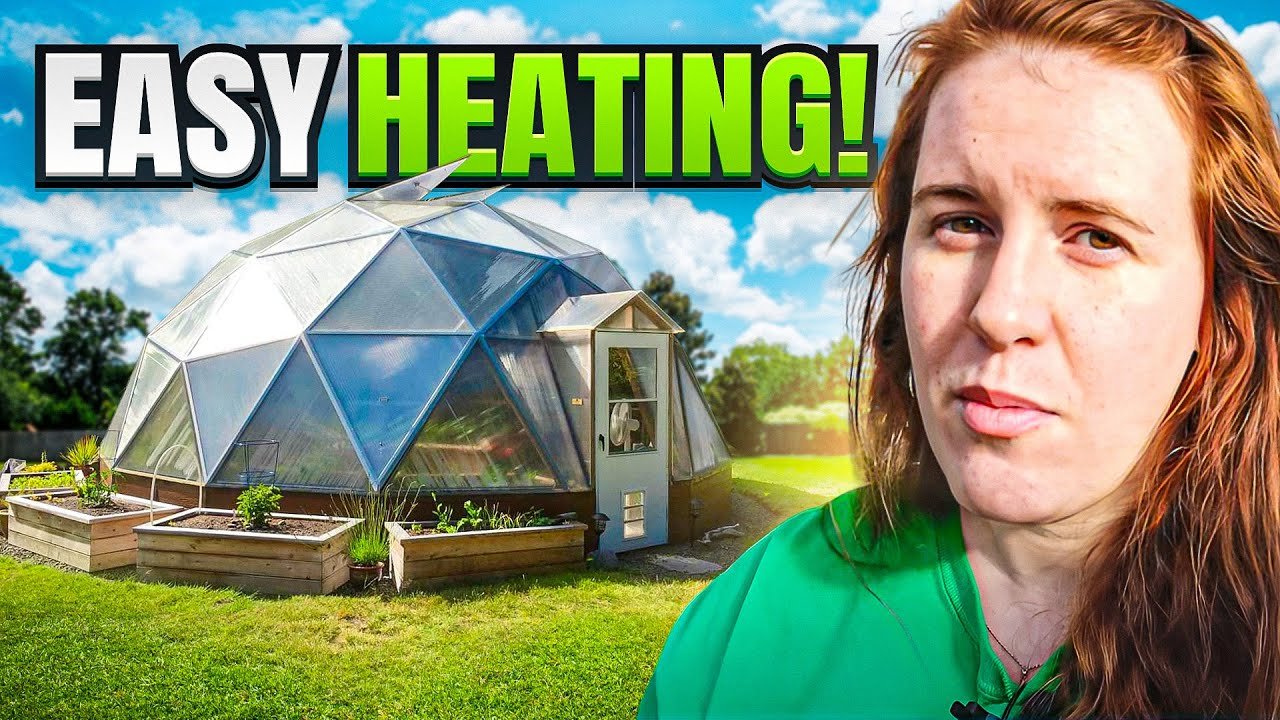
Greenhouse size affects how much room you have for seed trays, containers, paths, and airflow. Ashley says her new dome is much larger than her previous greenhouse and likes its tall ceiling, where she plans to hang baskets. Her DIY backyard greenhouse uses 1-by-2 boards inserted into connectors and screwed in place to form a dome. She describes the structure as sturdy and notes that the connector-based approach worked well for her. Her account is not a winter-load test, however.
Before building or buying a cold-climate greenhouse, plan for local winter weather. Check that the site and foundation suit the structure, and investigate secure anchoring and the manufacturer’s guidance for snow and wind loads. The video does not evaluate those features, so don’t infer tested performance from the dome demonstration.
Compare frame and glazing specifications rather than choosing on appearance alone. Ask whether the greenhouse frame is suited to local conditions and whether glazing panels meet your needs. Galvanized steel, double-wall polycarbonate, and glass glazing are options to research; Ashley doesn’t compare them. Likewise, the video doesn’t assess Planta Greenhouses or other brands. For any cold-climate greenhouse, review the specific product’s structural information and installation requirements before purchase.
- Pick a sunny, accessible location.
- Measure the space needed for trays, pots, and safe movement.
- Verify foundation, anchoring, and weather-load guidance for the specific structure.
- Compare frame and glazing details using the manufacturer’s specifications.
Temperature, Humidity, and Daily Ventilation
The video’s daytime rule is based on the forecast: when the afternoon is expected to be positive but below 10°C, Ashley leaves the door closed, with the heater and fans off. When the forecast is above 10°C, she opens the door to encourage airflow. This is her Zone routine, not a universal threshold for every crop or structure. The key is to check the conditions inside your cold-climate greenhouse instead of treating the forecast as a substitute for measurement.
Overheating can damage plants just as cold can. Ashley warns that a closed greenhouse may become too warm and leave plants sick or stressed by the time you return. If you can’t get home to open the door, consider in advance whether someone reliable can check it. Fans aren’t part of her routine; she manages airflow by opening or closing the door. That keeps the system simple, but it also makes regular checks important.
At night, Ashley waters the grass floor, trays, and sometimes the walls to increase humidity and help take the edge off cold conditions. This is the creator’s practice, not a promise that watering will prevent frost or replace a heater. Avoid confusing humidity management with temperature control: monitor both, and use care around electrical equipment and standing water.
For added monitoring, place a minimum-maximum thermometer or sensor where it reflects conditions near the plants, and check readings often enough to catch overnight lows and daytime highs. An alert may help if you can’t always inspect the greenhouse in person. These tools are added guidance, not demonstrated in the video. Track humidity as well, then use your records to refine ventilation and watering. A cold-climate greenhouse works best when decisions follow observed conditions rather than a fixed door position.
Greenhouse Heating and Heat Retention
Ashley describes using an electric heater set to 1,500 watts on high during nights when outdoor temperatures are around −5°C to −10°C. In the morning, she turns it off if the afternoon is forecast to be positive. She notes that this setting reflects her Zone conditions and that other gardeners may not need the same amount of heat. Treat it as an example from the video, not a universal setting for a cold-climate greenhouse.
She also demonstrates thermal mass, or a heat sink: bricks or a large jug of water warm during the day and release heat more slowly at night. Ashley says that a sufficiently large heat sink may reduce or sometimes remove the need for a heater. The result depends on the size and placement of the mass and the greenhouse’s conditions; the video doesn’t provide a calculation for sizing one.
Other heat-retention measures to investigate include sealing air leaks, insulating the foundation, and using bubble wrap insulation. These are additional planning ideas, not methods Ashley demonstrates. They address heat loss differently from thermal mass: a heat sink stores warmth, while sealing and insulation aim to slow its escape. Check that any material is appropriate for greenhouse use and doesn’t obstruct needed ventilation.
Ashley demonstrates an electric heater but doesn’t compare heater models or fuels. If you’re choosing between electric, propane, or another heater, consider operating cost and fuel access alongside ventilation needs, fire risk, and what happens during a power outage. Follow the heater maker’s instructions and don’t assume a fuel-burning unit can be used in an enclosed space without appropriate ventilation. Plan how you’ll respond if power fails on a cold night. For a cold-climate greenhouse, combine cautious heating with heat retention and temperature monitoring rather than relying on a single device.
Cold-Climate Crops and a Practical Planting Plan
Start by matching plants to the temperatures your greenhouse can actually maintain. Seedlings and cool-season crops are practical choices when conditions are cool, while warm-season crops such as melons, peppers, and tomatoes need more deliberate temperature management. The video doesn’t give planting dates or target temperature ranges for individual crops, so don’t treat it as a calendar or a crop-specific temperature guide.
Ashley’s warm-season suggestion is to grow melons, peppers, and tomatoes in pots inside the greenhouse, leave the door open during the day, and close it at night if temperatures drop below 15°C. She says this approach can encourage earlier flowering, extend the season, and support fruit production. She also makes clear that she hasn’t personally used this method; she is describing what she understands other gardeners do. Keep that distinction in mind when planning your own cold-climate greenhouse.
For a locally adjusted planting calendar, use months as planning checkpoints rather than fixed instructions:
- Early season: Check outdoor frost risk and inside readings before moving seedlings out of protected growing conditions.
- After conditions settle: Consider sowing or planting cool-season crops such as lettuce, and suitable herbs, if temperatures remain appropriate.
- Warm-season period: Trial container-grown tomatoes, peppers, or melons only if you can manage daytime airflow and nighttime temperatures.
- Late season: Use observed lows and crop condition to decide what to harvest, protect, or remove; don’t assume the greenhouse will overwinter tender plants.
This is added planning guidance, not a schedule from the video. For succession planting, sow small batches at intervals that suit your local conditions and available space, then observe how quickly each batch grows. For overwintering, first identify which plants can tolerate your actual greenhouse lows; Ashley doesn’t describe an overwintering plan. A cold-climate greenhouse can extend the season, but local frost patterns and measured temperatures should set the pace.
Cold-Weather Contingencies and Common Mistakes
For a very cold night, Ashley says she may place a comforter blanket over the greenhouse. It’s a contingency she mentions, not a substitute for checking the structure, heater, or plants. If you try a cover, make sure it doesn’t create a safety problem or interfere with the greenhouse, and continue monitoring temperature. The video doesn’t provide test results for the blanket or quantify how much warmth it adds.
The routine also highlights three avoidable errors: leaving the door shut when daytime temperatures rise, continuing to heat after warmth is no longer needed, and focusing only on cold while ignoring overheating. Ashley’s advice is to turn the heater off in the morning when positive afternoon temperatures are expected and open the door when the forecast is above 10°C. Those thresholds describe her setup; use a thermometer to judge conditions in your own cold-climate greenhouse.
If ventilation alone can’t manage strong sun, shade cloth is an option to investigate for greenhouse cooling. Ashley neither demonstrates nor recommends a particular cloth, so consider it only after observing how and when the space overheats. Any cooling measure should still allow you to monitor plants and respond to changing weather.
Winter weather resistance needs its own checks. Inspect anchoring, look for snow accumulation, and consider how wind reaches the site. These are sensible precautions, not features Ashley discusses or tests. Review the structure’s installation guidance and avoid assuming that a dome shape alone guarantees snow or wind performance. A basic contingency routine for a cold-climate greenhouse is to check the forecast, inspect the structure, verify the temperature, and decide whether heat, ventilation, or additional protection is needed.
A Practical Next Step for Your Cold-Climate Greenhouse
The central lesson from Gardening In Canada is that greenhouse gardening in Zone is an active routine, not a matter of adding heat and walking away. Ashley’s approach pairs evening watering and overnight heat when needed with a morning heater shutoff and daytime door management. Her experience provides a useful example, but your readings and local weather should guide your decisions.
Before your next cold night, set up a thermometer, note the forecast, and decide what you’ll do if the greenhouse drops too low or warms too quickly. Start with seedlings or cool-season crops while you learn the structure’s behavior. If you try warm-season crops in containers, follow the creator’s distinction: daytime airflow matters, and she describes closing the door at night if temperatures fall below 15°C.
For structure planning, verify sunlight, access, anchoring, foundation, and winter-load information rather than assuming a design has been tested for your site. To revisit Ashley’s routine and dome demonstration, watch Beginner Guide To Greenhouses In Cold Climates | Heating A Small Greenhouse | Gardening in Canada. The transcript provided for this article contains no timestamps, so precise jump points can’t be supplied.
Next steps: measure your greenhouse, record temperature swings, choose crops that match those readings, and adjust heating and ventilation from what you observe. That turns the cold-climate greenhouse from a hopeful shelter into a growing space you can manage deliberately.
Key Takeaways
- A greenhouse can extend the growing season, but an unheated structure isn’t guaranteed to stay frost-free.
- Ashley’s Zone routine combines evening watering, overnight heat when needed, and daytime ventilation based on the forecast.
- Heat can harm plants as well as cold; check greenhouse temperatures and adjust the door and heater accordingly.
- Start with seedlings and cool-season crops, and treat warm-season container growing as a more demanding approach.
- Verify site, anchoring, foundation, and winter-load suitability for your own structure; the video doesn’t test those features.
Frequently Asked Questions
How cold is too cold for greenhouse plants?
It depends on the plant and the actual temperature inside the greenhouse. The video gives no universal minimum, so use a thermometer to track conditions and protect sensitive plants when readings approach levels they can’t tolerate.
How do Amish keep greenhouses warm in winter?
The video doesn’t discuss Amish greenhouse practices, so it doesn’t support attributing a particular heating method to them. Look for reliable information specific to the greenhouse and climate you’re researching.
What is the best greenhouse design for cold climates?
Ashley favors her connector-based dome, made with 1-by-2 boards, for its sturdy feel and tall interior. The video doesn’t test winter loads, so also assess the site, foundation, anchoring, glazing, and local snow and wind conditions.
What are the most common greenhouse mistakes?
A key mistake highlighted in the video is failing to ventilate as daytime temperatures rise. Ashley warns that overheating can harm plants just as cold can, and she also recommends turning off unnecessary heat.
Can an unheated greenhouse protect plants from frost?
A greenhouse provides shelter and can capture warmth, but the video doesn’t say an unheated structure guarantees frost-free conditions. Check the actual greenhouse temperature and protect sensitive plants when needed.