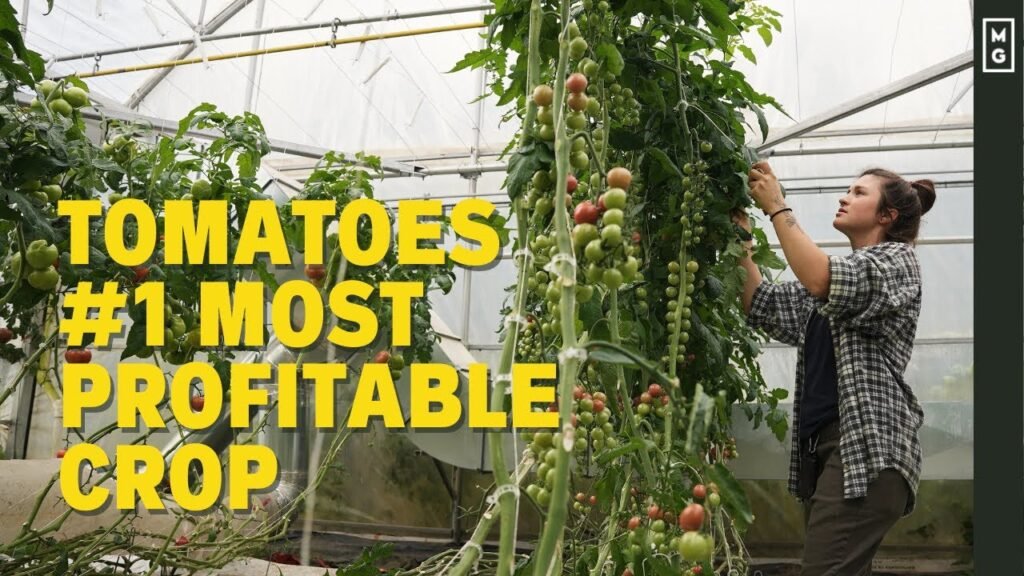
In this article, you’ll discover valuable insights on how to grow greenhouse tomatoes, the number one most profitable crop in the market garden. Presented by the Market Gardener Institute, JM Fortier shares expert tips on mastering greenhouse tomatoes. By implementing these techniques, you’ll enhance your gardening skills and see great results. Make sure to show your support by subscribing to the channel and liking the video to help the production of more informative episodes.
Understanding indeterminate tomatoes, training and supporting tomato plants, pruning, managing growth, the significance of light, and the role of plastic in boosting soil ecology are just a few topics covered in the video. Greenhouse tomatoes are highlighted as a top cash crop, emphasizing their profitability in market gardening. For more in-depth knowledge, consider enrolling in the Market Gardener Masterclass to further enhance your skills in vegetable growing and organic farming.
Understanding Indeterminate Tomatoes
When it comes to understanding indeterminate tomatoes, it’s essential to know that these unique tomato plants differ from determinate varieties in the way they grow and produce fruit. Indeterminate tomatoes have a vine-like growth habit, meaning they continue to grow and produce fruit throughout the season until frost kills the plant. This continuous production makes them a popular choice for home gardeners and commercial growers looking for a steady supply of fresh tomatoes.
Explanation of Indeterminate Tomatoes
Indeterminate tomatoes are known for their endless growth cycle, allowing them to produce fruit continuously. These plants require a structure for support as they can reach heights of 6 to 10 feet or even taller. They typically have smaller leaves and produce clusters of fruit along the stem rather than all at once. This growth pattern makes them ideal for those looking to have a prolonged harvest period instead of a single large harvest.
Characteristics of Indeterminate Tomatoes
The key characteristic of indeterminate tomatoes is their indeterminate growth habit, which sets them apart from determinate varieties that have a predetermined size and fruiting period. Indeterminate tomatoes are known for their vining nature, which requires trellising or staking for support. They tend to be larger plants with an extended harvest season, making them a favorite among growers who want a continuous supply of fresh tomatoes.
Training and Supporting Tomato Plants
To successfully grow indeterminate tomatoes, proper training and support are crucial. By providing the necessary guidance and structure, you can help your tomato plants thrive and produce abundant fruit throughout the season.
Methods of Training Tomato Plants
Training indeterminate tomato plants involves directing their growth upward by tying them to stakes, cages, or trellises. This helps prevent the plants from sprawling on the ground, reducing the risk of disease and allowing for better air circulation. Pruning excess leaves and side shoots can also help focus the plant’s energy on fruit production.
Providing Support for Tomato Plants
Supporting indeterminate tomatoes is essential to prevent the plants from toppling over under the weight of their fruit. Sturdy stakes or trellises can help keep the plants upright and secure, allowing for proper airflow and sunlight exposure. Choosing the right support system based on the variety of tomato and your growing space is key to a successful harvest.
Pruning and Managing Growth
Pruning plays a vital role in managing the growth of indeterminate tomato plants, promoting better airflow, sunlight penetration, and fruit production. By following proper pruning techniques, you can optimize the plant’s health and productivity.
Benefits of Pruning Tomato Plants
Pruning helps remove diseased or damaged foliage, improving the overall health of the plant. It also directs the plant’s energy towards fruit development by removing unnecessary growth. Pruning can prevent overcrowding, reduce the risk of fungal diseases, and ensure that each fruit gets enough sunlight and nutrients to reach its full potential.
Techniques for Managing Growth
Regularly pinching off suckers, the small shoots that develop in the leaf axils, can help control the plant’s growth and encourage fruit production. Removing excess foliage and side shoots allows for better air circulation and sunlight exposure, reducing the risk of pest infestations and diseases. Properly managing the growth of indeterminate tomatoes can lead to healthier plants and a higher yield.
Importance of Light for Greenhouse Tomatoes
Light plays a crucial role in the growth and development of greenhouse tomatoes, influencing factors such as flowering, fruiting, and overall plant health. Understanding the impact of light on tomato growth can help you optimize your greenhouse environment for maximum productivity.
Impact of Light on Tomato Growth
Tomatoes require a minimum of 6-8 hours of direct sunlight per day to thrive and produce healthy fruit. Insufficient light can lead to leggy plants, poor fruit set, and increased susceptibility to diseases. Providing adequate light levels ensures that your greenhouse tomatoes receive the energy they need to photosynthesize and grow vigorously.
Optimizing Light Exposure for Greenhouse Tomatoes
To maximize light exposure for greenhouse tomatoes, orient your growing beds or containers to receive the most sunlight throughout the day. Consider using supplemental lighting, such as grow lights, on cloudy days or during the winter months to ensure consistent light levels. Properly managing light exposure can enhance fruit quality, increase yields, and promote overall plant vitality.

The Role of White and Black Plastic
Utilizing white and black plastic in your greenhouse can offer various benefits for growing tomatoes, from improving soil temperature to controlling weeds. Understanding how to leverage these materials can help you enhance your tomato production and optimize your growing environment.
Advantages of White Plastic for Tomatoes
White plastic mulch reflects sunlight and heat, helping to increase soil temperature and accelerate plant growth. It also acts as a barrier to weeds, reducing competition for nutrients and moisture. Additionally, white plastic can improve irrigation efficiency by reducing water evaporation from the soil surface, ensuring that your tomato plants receive an adequate water supply.
Benefits of Black Plastic Mulch for Tomato Production
Black plastic mulch absorbs heat and helps warm the soil, creating a favorable environment for tomato roots to thrive. The dark color also suppresses weed growth by blocking out sunlight, minimizing the need for manual weeding. Using black plastic mulch can improve soil moisture retention, prevent soil erosion, and promote healthy root development in greenhouse tomatoes.
Boosting Soil Ecology
Enhancing soil health is essential for successful tomato growth in a greenhouse setting. By focusing on improving soil ecology, you can create a fertile environment that supports plant growth and enhances crop yields.
Enhancing Soil Health for Tomato Growth
Building organic matter in the soil through composting, mulching, and cover cropping can increase nutrient availability and improve soil structure. Adding beneficial microbes through organic amendments or inoculants can boost soil health and promote root development in tomato plants. Maintaining proper pH levels and ensuring adequate drainage are also critical factors in soil ecology management.
Tips for Improving Soil Ecology in Greenhouse Settings
Implementing crop rotation, avoiding pesticides and synthetic fertilizers, and practicing sustainable soil management techniques can help maintain a healthy soil ecosystem in your greenhouse. Regular soil testing and monitoring can provide valuable insights into nutrient levels, soil composition, and microbial activity, allowing you to make informed decisions to enhance soil ecology and optimize tomato production.
Greenhouse Tomatoes as a Top Cash Crop
Growing greenhouse tomatoes can be a profitable venture for market gardeners, offering high yields, premium quality fruit, and an extended growing season. Understanding the economic potential of greenhouse tomatoes can help you capitalize on this top cash crop in the market gardening industry.
Profitability of Greenhouse Tomatoes
Greenhouse tomatoes are in high demand due to their consistent quality, flavor, and availability throughout the year. The controlled environment of a greenhouse allows for year-round production, ensuring a steady supply of tomatoes for market sales. The premium price that greenhouse tomatoes command in the market makes them a lucrative choice for commercial growers looking to maximize their profits.
Market Potential for Greenhouse Tomato Sales
The market potential for greenhouse tomatoes is vast, with consumers increasingly seeking locally grown, pesticide-free produce. By marketing your greenhouse tomatoes as organic, sustainably grown, and of superior quality, you can attract a loyal customer base and command higher prices. Direct sales at farmers’ markets, restaurants, and grocery stores can help you establish a reputation for high-quality tomatoes and capitalize on the growing demand for fresh, flavorful produce.
Learn More in the Market Gardener Masterclass
For a comprehensive education on growing greenhouse tomatoes and maximizing your crop’s potential, consider enrolling in the Market Gardener Masterclass. This in-depth training program offers expert guidance, practical tips, and proven strategies for success in greenhouse tomato cultivation.
In-depth Training on Growing Greenhouse Tomatoes
The Market Gardener Masterclass provides detailed instruction on all aspects of greenhouse tomato production, from seed starting and transplanting to pest management and harvest techniques. By learning from experienced market gardeners and industry experts, you can gain valuable insights into optimizing your greenhouse operation for maximum productivity and profitability.
Accessing Expert Guidance on Tomato Cultivation
By participating in the Market Gardener Masterclass, you will have access to a wealth of knowledge and resources on greenhouse tomato cultivation. Expert instructors will share their best practices, troubleshooting tips, and innovative approaches to greenhouse gardening, empowering you to grow healthy, abundant tomatoes and take your market gardening business to the next level.
Benefits of Growing Greenhouse Tomatoes
Growing greenhouse tomatoes offers a range of benefits for both small-scale and commercial growers, including high yield potential, extended growing season, and premium quality fruit. By embracing greenhouse tomato production, you can enjoy a profitable and rewarding experience in the market gardening industry.
High Yield Potential of Greenhouse Tomatoes
Greenhouse tomatoes have the potential to yield significantly more fruit compared to field-grown tomatoes, thanks to the controlled environment of the greenhouse. With proper care and management, you can maximize your tomato harvest and generate a higher income from your greenhouse operation. The higher yield potential of greenhouse tomatoes makes them an attractive choice for growers looking to increase their profitability.
Extended Growing Season for Tomato Harvest
One of the significant advantages of greenhouse tomatoes is the ability to extend the growing season beyond the traditional outdoor season. By providing a stable environment with optimal light, temperature, and humidity conditions, you can grow tomatoes year-round and supply fresh produce to your customers consistently. The extended growing season not only increases your market presence but also allows you to meet the demand for locally grown tomatoes throughout the year.
Tips for Pest and Disease Management
Effectively managing common pests and diseases is essential for maintaining the health and productivity of greenhouse tomato plants. By implementing preventive measures and using natural remedies, you can protect your crop from damages and ensure a successful harvest.
Preventative Measures Against Common Tomato Pests
Regularly inspecting your tomato plants for signs of pest infestation and promptly addressing any issues can help prevent pest populations from escalating. Introducing beneficial insects, such as ladybugs or predatory mites, can help control pest populations naturally. Implementing crop rotation, practicing good sanitation, and monitoring plant health can also reduce the risk of pest attacks and minimize the need for chemical interventions.
Natural Remedies for Tomato Diseases
Using organic disease control methods, such as neem oil, copper fungicides, or potassium bicarbonate sprays, can effectively manage common tomato diseases without harmful chemicals. Properly spacing your plants, providing adequate airflow, and avoiding overhead watering can help prevent fungal infections and reduce the spread of diseases. Regularly monitoring your tomato plants for early signs of disease and taking proactive measures can help protect your crop and promote a healthy harvest.
By understanding the unique characteristics of indeterminate tomatoes, implementing proper training and support methods, optimizing light exposure, leveraging plastic mulch benefits, enhancing soil ecology, and learning pest and disease management techniques, you can successfully grow greenhouse tomatoes and maximize your crop’s potential in the market gardening industry. Embracing the profitability and benefits of greenhouse tomato production can lead to a rewarding and sustainable business venture for growers of all scales.