
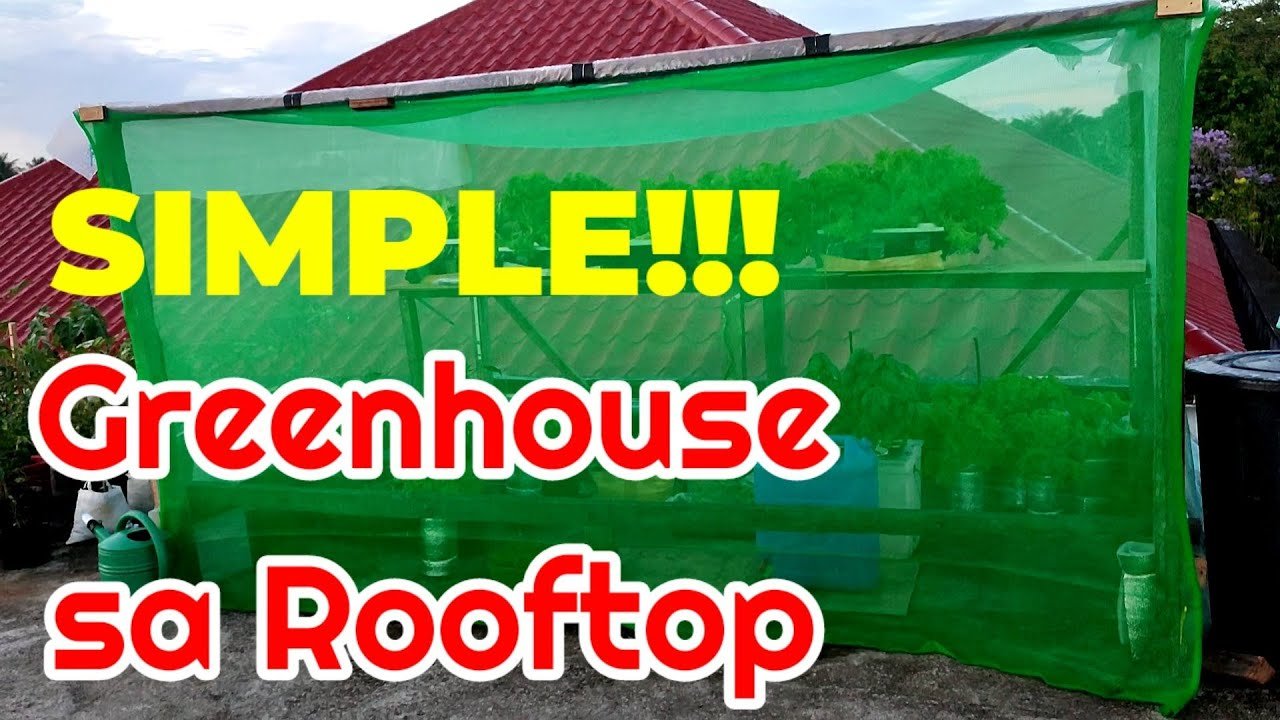
Why a Rooftop Greenhouse Makes Sense for Small Gardens
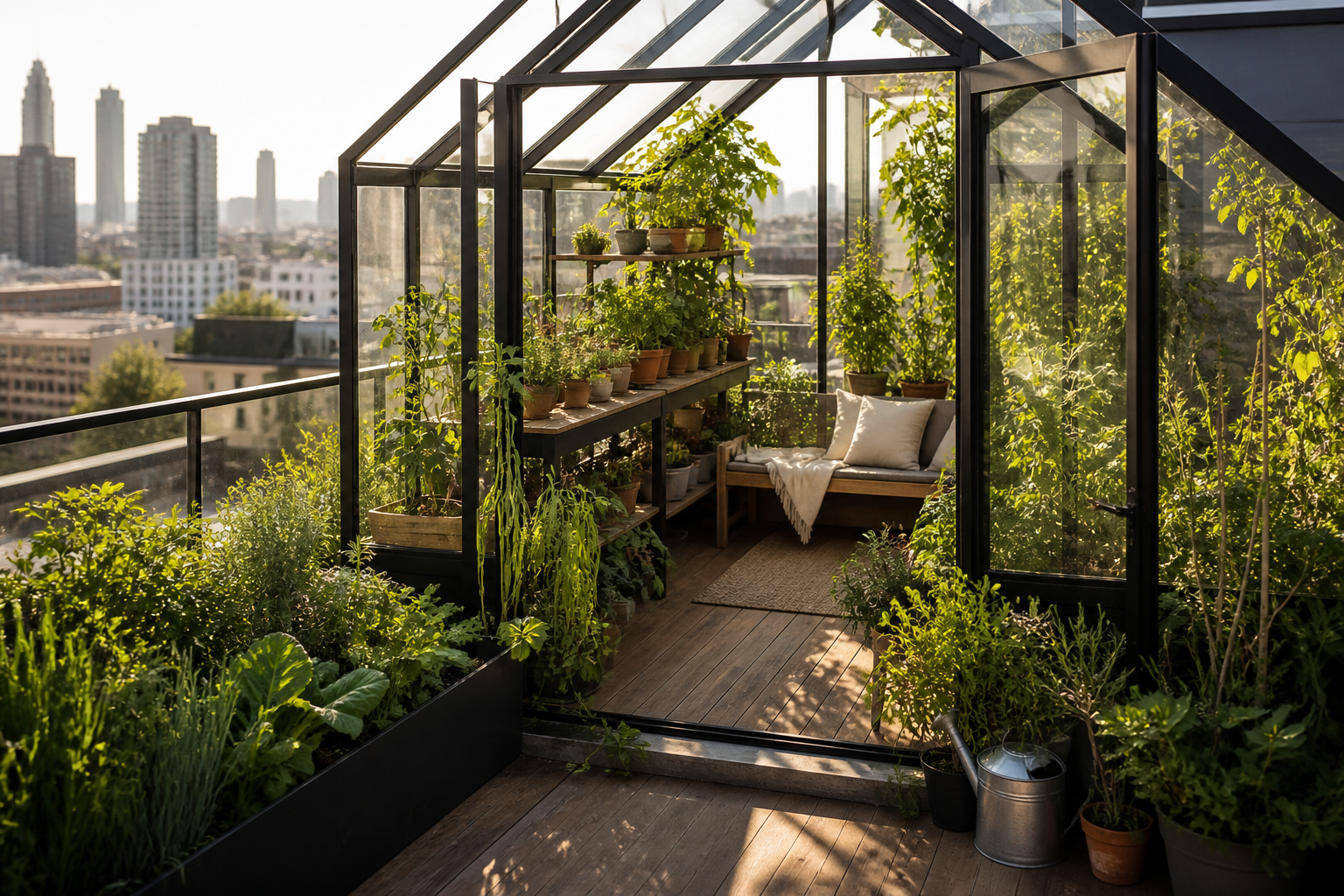
A rooftop greenhouse can turn an unused urban roof into a productive garden, but success depends on planning the structure, weight, drainage, and climate controls together. Garden Hero’s video, Simple Greenhouse sa Rooftop, presents the central idea with a practical, compact design. The supplied transcript contains no spoken instructions or timestamps, so the visual details should be checked directly in the original video.
A roof installation differs from a backyard greenhouse or conventional garden greenhouse. You have less room for staging materials, more wind exposure, and a waterproof membrane that must not be damaged. Access also matters. Carrying glass, soil, water, and timber up stairs can change the entire budget.
Before buying materials, complete these checks:
- Ask the building owner or local authority about permission, fire access, and roof use.
- Hire a qualified professional to verify dead load, live load, snow load, and wind uplift capacity.
- Inspect the waterproofing and plan a protected, non-penetrating base where possible.
- Confirm safe access, guardrails, emergency routes, and a reliable material-carrying route.
A small structure is often the safer choice. A 6-by-8-foot greenhouse uses fewer materials, needs less heating, and is easier to ventilate than a large enclosure. The video’s simple concept works best when you adapt it to your building rather than copy it without checking the site.
TL;DR: The Best Rooftop Greenhouse Ideas to Use
The best rooftop greenhouse ideas begin with a lightweight frame, durable glazing, secure doors, roof vents, raised benches, efficient watering, and a clear maintenance path. According to Garden Hero, the appeal is simplicity. You can begin with a secure shell, then add irrigation, shelving, sensors, heating, and lighting as your budget allows.
Use this short planning sequence for a practical rooftop greenhouse:
- Measure the usable roof area and the route for moving materials.
- Confirm the roof’s safe capacity with a qualified structural professional.
- Orient the structure toward useful winter sunlight while allowing service access.
- Anchor the frame for wind without puncturing the waterproof membrane.
- Provide low intake vents and high roof vents for cross-ventilation.
- Keep water tanks, compost, and other heavy items close to structural supports.
| Project type | Top priorities | Typical approach |
|---|---|---|
| Low-budget DIY greenhouse | Low weight and repairability | Polycarbonate, simple benches, manual vents |
| Four-season space | Insulation and controls | Twin-wall glazing, thermal curtains, sensors |
| Temporary salvage greenhouse | Reversible construction | Reclaimed windows, removable base, careful weather sealing |
This article expands Garden Hero’s compact idea with guidance on monitoring, energy efficiency, accessibility, pest prevention, and climate-specific construction.
Rooftop Greenhouse Design: Dimensions, Materials, and Budget
A practical starter rooftop greenhouse footprint is by feet, or about square feet. An 8-by-10-foot model provides more bench space, but the final size must match safe loading zones, wind exposure, roof access, and the path used to carry materials. In our experience, a smaller greenhouse is easier to keep stable and productive because every plant remains within reach.
For a DIY project, estimate $500–$1,200 for a basic structure, $1,200–$3,000 for stronger glazing and hardware, and more for automation, insulation, heating, or professional review. Prices vary by region, but budgeting an extra 15% for fasteners, seals, flashing, and replacement panels is sensible.
A typical materials list includes:
- Galvanized steel or aluminum greenhouse frame and continuous base plates
- Certified fasteners, bracing, anchors, and corrosion-resistant connectors
- Twin-wall polycarbonate, tempered glass, acrylic, or inspected greenhouse windows
- Greenhouse doors, roof vents, automatic vent openers, and weather seals
- Raised greenhouse benches, wire shelving, trays, and a washable potting surface
- Membrane-protection pads, flashing, gutters, downspouts, and controlled drainage
- Drip tubing, filters, shutoff valves, sensors, fans, and protected electrical parts
Galvanized steel offers strength. Aluminum needs less maintenance. Pressure-treated timber may work where local rules permit it, while reclaimed materials suit a salvage greenhouse. Check old wood for rot and old windows for lead paint, cracked glass, unsafe putty, and inconsistent dimensions. Local rules override general advice; consult the International Code Council and your local building department.
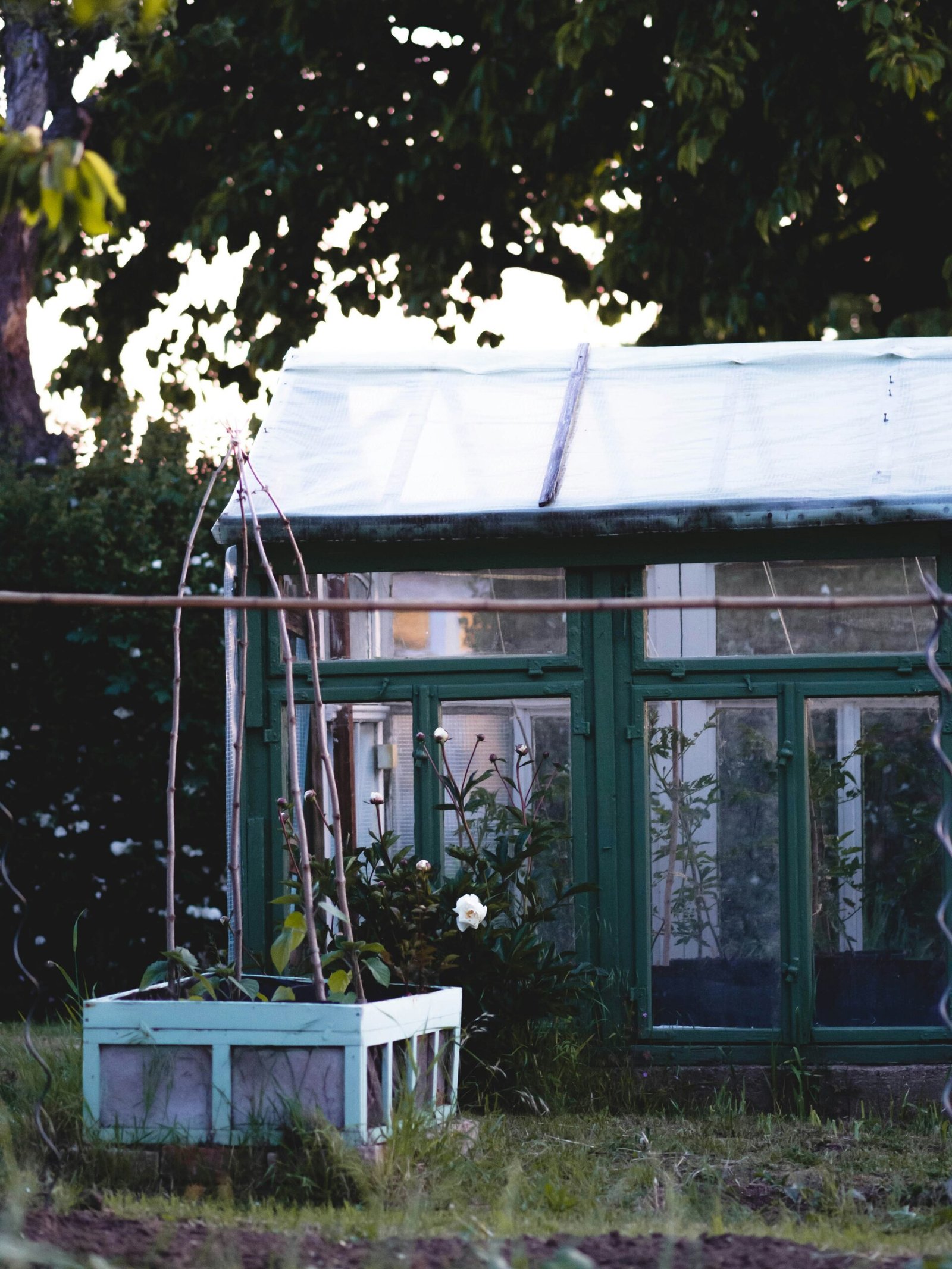
Greenhouse Structure, Glazing, and Rooftop Wind Protection
The rooftop greenhouse must transfer its own weight, plant loads, snow, and wind forces through the greenhouse frame and base into the roof structure. That is why a continuous, padded base is usually safer than isolated legs resting on a waterproof membrane. Point loads can damage roofing even when the total greenhouse weight appears modest.
A second concern is uplift. A 6-by-8-foot enclosure has square feet of exposed footprint. Strong wind can act on that surface like a sail, especially when doors or vents are open. Use engineered bracing, mechanical anchors, and a professional-approved attachment method. Never drill through the roof membrane without a designed flashing system.
Glazing choices involve trade-offs:
- Twin-wall polycarbonate: light, impact-resistant, and better insulated than single glazing.
- Tempered glass: clear and attractive, but heavier and more vulnerable during transport.
- Acrylic: lighter than glass, though it can scratch and expand with heat.
- Reclaimed windows: useful for a salvage greenhouse only after careful inspection and matching.
A glass greenhouse offers excellent light and a classic appearance, yet it adds weight, breakage risk, heat gain, and installation work. The greenhouse roof should have enough pitch to shed rain and snow. Add gutters, controlled downspouts, proper flashing, and removable storm panels in severe-weather areas. Greenhouse doors should open outward or slide without blocking the aisle. A wider door or second exit may be needed if the enclosure is large enough to create an emergency concern.
Climate-Specific Plans for Year-Round Rooftop Growing
A successful rooftop greenhouse is designed for its weather pattern, not for an average climate. The short Garden Hero video shows the concept, while this expansion adds year-round planning for 2026. Check your frost dates and local climate data with the USDA Plant Hardiness Zone Map before selecting crops, insulation, glazing, or heating capacity.
For hot or desert regions, install large roof vents, low intake openings, shade cloth, reflective exterior shading, and automatic vent openers. Light-colored surfaces reduce heat absorption. Evaporative cooling can help when humidity is low, but it raises moisture levels, so monitor relative humidity. Early-morning irrigation gives plants time to dry before the hottest period.
For cold or snowy regions, use a steeper greenhouse roof, twin-wall polycarbonate, insulated north and side walls, thermal curtains, and engineering based on local snow loads. A safe heater with a thermostat is more useful after drafts and uncontrolled heat loss have been reduced.
For humid, rainy, or coastal regions, choose corrosion-resistant greenhouse frames, oversized gutters, elevated benches, strong cross-ventilation, and disease-resistant crops. Dehumidification may be needed during still, wet nights.
Passive solar design lowers energy use. Face the greenhouse toward the strongest winter sun, place thermal mass such as water containers or masonry inside, reduce glazing on the cold side, and insulate the base and north wall. Keep tanks near structural supports because water weighs about 8.3 pounds per U.S. gallon.
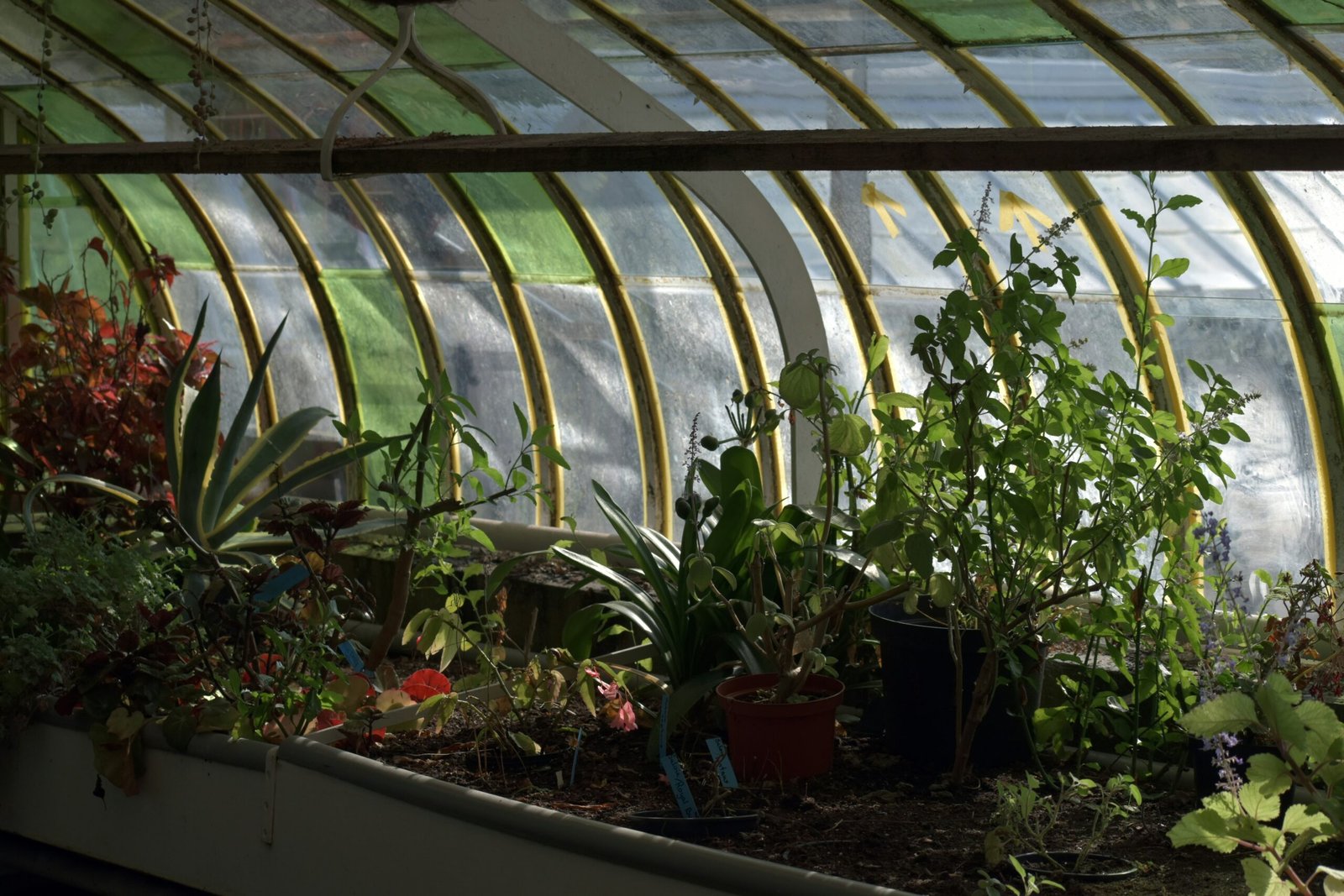
Greenhouse Ventilation, Heating, Lighting, and Monitoring
Good rooftop greenhouse climate control starts with passive airflow. Place low intake openings on one side and high roof vents on the opposite side. Warm air rises and escapes through the upper vents. Circulation fans then remove stagnant pockets around greenhouse shelving and benches. Many cool-season crops perform well around 45–65°F at night, although crop-specific limits vary.
Excess humidity and condensation create conditions for fungal disease. Use a small data logger or smart sensor to record temperature and relative humidity. Add soil-moisture, light-level, and water-tank sensors when the system grows more complex. Log readings at least twice daily, then create alerts for freezing, overheating, low tank level, or pump failure.
Heating options include electric heaters, hydronic systems, heat mats, and passive solar storage. Every heater needs a thermostat, over-temperature cutoff, stable mounting, and protected electrical connections. A portable heater alone is not a safe plan for an unattended roof structure.
Greenhouse lighting has two different roles. Supplemental LEDs can help winter seedlings and extend the day. Full artificial lighting for all crops requires much more electricity and heat management. Use timers, waterproof-rated fixtures, protected outlets, and cables routed away from wet floors.
- Install vents and confirm they move freely.
- Place sensors at plant height, not against the roof or floor.
- Test fans and heaters continuously for hours.
- Observe the passive airflow pattern before adding automation.
- Set alerts and keep a manual backup for power failures.
Greenhouse Interior: Layout, Shelving, Benches, and Flooring
A useful rooftop greenhouse layout protects your back and keeps every plant reachable. Place a potting area near the door, maintain a central aisle, and position tall crops where they will not shade shorter plants. For a 6-by-8-foot structure, use benches along both long walls, a 24–30-inch central aisle, vertical shelving at the back, and a tray-washing or potting corner near the entrance.
Wire greenhouse shelving improves vertical capacity and airflow. Solid greenhouse benches suit seed trays, but they need drainage and a washable surface. Keep at least one work surface between waist and elbow height. Store hand tools within arm’s reach, but leave enough clearance for a person carrying a watering can or tray.
Floor choices include interlocking pavers, drainage mats, treated decking, and a brick floor greenhouse. Bricks provide traction, thermal mass, and a cleanable surface, but they add considerable weight. Mortar, wet soil, water tanks, and benches must be included in the load calculation.
Accessibility should be planned early. Use a 36-inch or wider main path where possible, avoid raised thresholds, choose lightweight sliding doors, limit overhead storage, and install controls at reachable heights. A good test is to walk the empty greenhouse carrying a full tray. If you cannot turn safely, the layout is too crowded. The greenhouse interior should support daily work, not merely fit the maximum number of pots.
Water Collection, Irrigation, Pest Control, and Disease Prevention
Use the rooftop greenhouse roof to collect rainwater through gutters and a covered barrel or slimline tank. Stored water is heavy, so locate it outside the growing area or near approved load-bearing supports. One 50-gallon tank weighs more than pounds when full, before adding the tank itself.
Match irrigation to the crop layout. Drip lines work well for containers. Capillary mats suit seed trays. Hand watering is practical only for small or newly planted areas. Add a filter, shutoff valve, overflow route, and backflow protection where local plumbing rules require it. Do not allow overflow to run across the roof membrane or toward an unprotected edge.
Use a preventive pest routine rather than waiting for an outbreak:
- Inspect new plants for aphids, whiteflies, mites, and damaged leaves.
- Quarantine incoming plants for 7–14 days.
- Hang yellow sticky cards to monitor flying pests.
- Clean tools, benches, pots, and trays between crop cycles.
Reduce disease with morning watering, open airflow, sensible plant spacing, clean containers, and prompt removal of dead leaves. Avoid wet foliage overnight. Rooftop heat and reflected sunlight can stress plants even when soil is moist, so combine irrigation readings with temperature and humidity data. Keep fertilizer, pesticides, and standing water secured from children, pets, drains, and shared roof areas.
Building a DIY Rooftop Greenhouse With Reclaimed Materials
A rooftop greenhouse built as a DIY project still needs professional judgment. Start by surveying the roof, drawing the greenhouse layout, and estimating frame, glazing, soil, bench, snow, and water loads. Then confirm the plan with a structural professional before construction.
- Measure the roof and identify safe loading zones.
- Draw doors, vents, benches, drainage, and access paths.
- Build a protected, continuous base without harming the waterproofing.
- Assemble and brace the greenhouse frame.
- Install glazing, seals, flashing, roof vents, and doors.
- Test drainage, anchors, door latches, and storm protection.
For a salvage greenhouse, match window dimensions before framing. Inspect every pane for cracks, remove unsafe putty, replace damaged seals, and reject materials with unknown coatings or structural defects. Reclaimed wood is useful for shelves, potting benches, hooks, and dividers. Buy certified fasteners, flashing, electrical parts, and load-bearing connectors.
Complete this inspection checklist:
- Doors latch and do not block the main aisle.
- Glazing has no sharp edges or loose panels.
- Roof runoff reaches a controlled drain.
- Vents open freely and fans operate.
- Anchors resist movement under hand pressure.
- No fastener penetrates the roof membrane.
As demonstrated in Garden Hero’s simple concept, incremental construction is sensible. However, site rules, wind, snow, fire access, and waterproofing can make professional review necessary even when the project is labeled DIY.
Final Checklist for a Safe, Productive Rooftop Greenhouse
The safest rooftop greenhouse project begins with approval and structure, not plants. Garden Hero’s practical message is useful because a simple shell can grow over time. Start with a secure base, frame, glazing, vents, doors, and drainage. Add benches, irrigation, sensors, greenhouse heating, and greenhouse lighting after the enclosure performs well.
Use this priority checklist:
- Obtain owner, building, fire, and local authority approval.
- Verify roof structure, waterproofing, wind loads, and snow loads.
- Choose dimensions that suit the roof and material-carrying route.
- Calculate the weight of glazing, benches, soil, people, snow, and water.
- Select the lightest glazing that meets local weather demands.
- Anchor the greenhouse frame using an approved method.
- Install gutters, flashing, overflow routes, and protected drainage.
- Test ventilation, shade, sensors, fans, and heating before planting.
For the first days, record temperature, humidity, watering, pests, plant growth, and harvests. Use those records to adjust vents, shade, irrigation, and crop placement. According to our research, simple twice-daily records reveal problems faster than guesswork.
The decision rule is clear: choose the lightest structure that meets local wind and snow requirements, provide passive cooling before buying a heater, and design the greenhouse interior around safe daily work rather than maximum plant count. A well-planned rooftop greenhouse should make gardening easier, not turn the roof into a maintenance hazard.
Key Takeaways
- Verify permission, waterproofing, structural capacity, wind exposure, snow loads, and safe access before buying materials.
- Choose a small, lightweight greenhouse with a continuous protected base, secure anchoring, durable glazing, and controlled drainage.
- Use low intake vents, high roof vents, circulation fans, shade, and sensors before depending on greenhouse heating.
- Keep water tanks and other heavy items near approved structural supports, and design benches and aisles for safe daily work.
- Build in stages, then log temperature, humidity, watering, pests, and harvests for days to improve the system.
Frequently Asked Questions
Can I put a greenhouse on my roof?
Only after checking permission, structural capacity, waterproofing, wind exposure, safe access, fire regulations, and local building rules. A qualified structural professional should review the complete greenhouse and its contents before construction.
What is the best material for a rooftop greenhouse?
Twin-wall polycarbonate is often the best balance of low weight, insulation, and impact resistance. Tempered glass provides clearer views but weighs more; galvanized steel is strong, aluminum resists corrosion, and reclaimed windows require careful inspection.
Does a rooftop greenhouse need heating?
Heating depends on your crops, winter temperatures, insulation, thermal mass, and target growing season. Seedlings may need heat mats, while frost-sensitive crops may need controlled air heating with a thermostat and safety cutoff.
How do I stop a rooftop greenhouse from overheating?
Use low intake vents, high roof vents, circulation fans, shade cloth, temperature sensors, and automatic vent controls. Keep a manual backup plan because a power failure can cause rapid heat buildup.
Is a brick floor greenhouse suitable for a roof?
It can provide durable traction, thermal mass, and easy cleaning, but bricks and mortar add substantial weight. Include the floor, wet soil, benches, people, and water tanks in the structural review.
What can I grow in a small rooftop greenhouse?
Herbs, salad greens, seedlings, compact tomatoes, peppers, vertically trained cucumbers, and dwarf varieties are practical choices. Select crops according to local frost dates, sunlight, heat, and available ventilation.