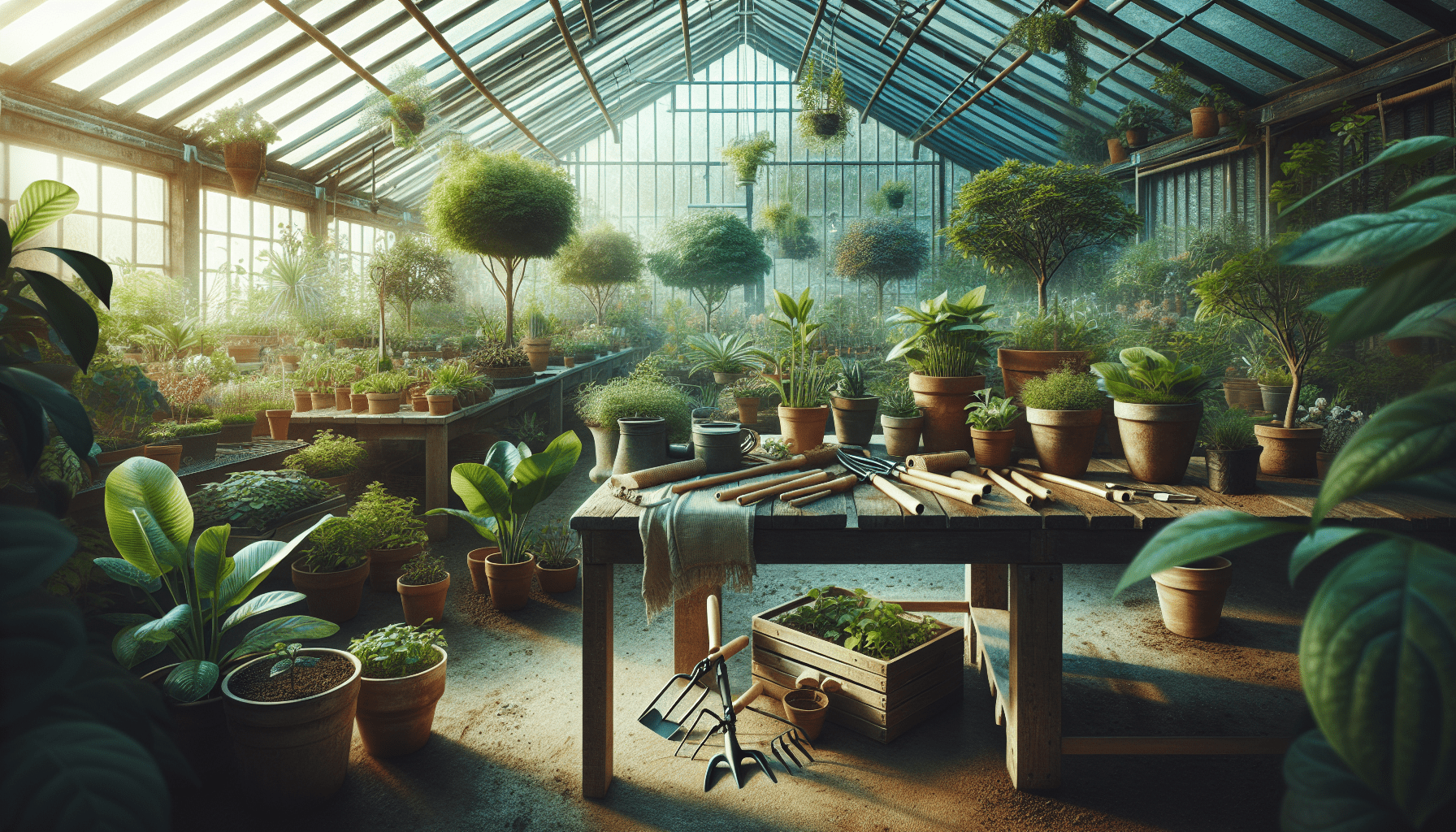
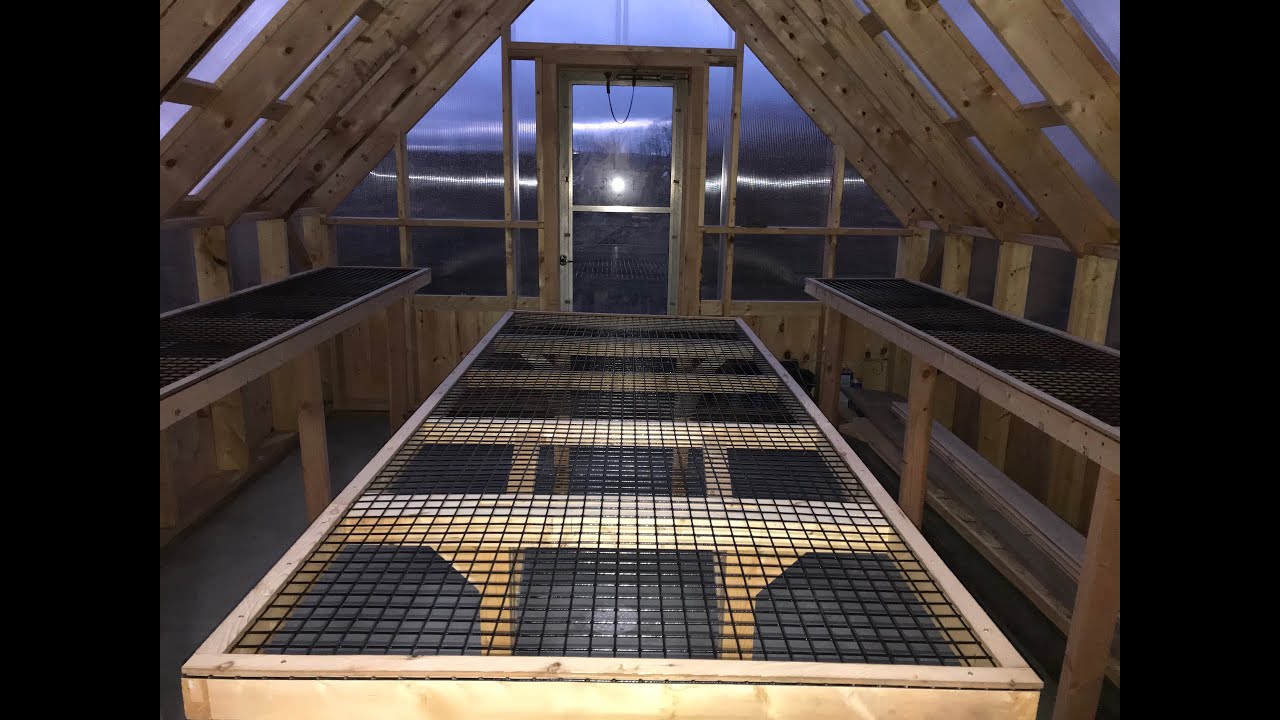
Today, you are going to discover the world of building greenhouse tables and more. This exciting project began in the summer to prepare for planting seeds this spring. The 12×16 greenhouse with twin-wall polycarbonate panels is equipped with benches for trays that can be folded up or down. Heating the greenhouse with electric heat and heat mats, along with utilizing renewable electricity sources in Vermont, creates a sustainable environment. Plans for expanding the greenhouse’s functionality include adding ventilation fans, more electricity, and a seedling box with grow lights.
Entering the greenhouse, you will find detailed work on benches, doors leading to the garage, and plans for a potting bench and water barrel in corners. The use of an innovative biograde phoenix heater with a precision thermometer ensures efficient heating. The focus is on using electricity more sustainably, transitioning to renewable sources, and looking ahead to potential electric car usage. Safety precautions and cutting tips are implemented when working with polycarbonate panels, ensuring a smooth and secure project completion.
Building Greenhouse Tables
Building a greenhouse is an exciting project that requires careful planning and execution to ensure a functional and efficient final product. One essential aspect of building a greenhouse is constructing sturdy and versatile tables to support trays of plants. These tables should be able to fold up or down to maximize space and flexibility within the greenhouse. By building benches specifically designed to hold trays, you can efficiently organize your plants and create a conducive environment for their growth.
Building Benches for Trays
When constructing benches for trays in your greenhouse, consider the materials you use to ensure durability and longevity. Opting for materials like treated lumber or weather-resistant wood will help your benches withstand the moisture and humidity typically found in a greenhouse environment. Additionally, be sure to design the benches with the ability to fold up when not in use to save space and make it easier to move around the greenhouse.
Adding Potting Bench and Water Barrel in Corners
Incorporating a potting bench and a water barrel in the corners of your greenhouse can enhance its functionality and convenience. A potting bench provides a dedicated space for planting, repotting, and caring for your plants, making gardening tasks more efficient. On the other hand, a water barrel placed strategically in the greenhouse can serve as a water source for your plants, reducing the need to transport water from elsewhere. These additions can streamline your gardening process and make it more enjoyable.
Building Legs for Side Benches and Center Table
To ensure stability and support for your greenhouse tables, it is crucial to construct sturdy legs for both side benches and the center table. The legs should be designed to withstand the weight of trays and plants while maintaining the flexibility to fold down when needed. By carefully measuring and securing the legs to the benches, you can create a functional and reliable workspace for your gardening endeavors.
Greenhouse Heating Options
Maintaining optimal temperature conditions within a greenhouse is essential for the healthy growth of plants, especially during colder seasons. There are various heating options available to greenhouse owners, each with its advantages and considerations.
Heating the Greenhouse with Electric Heat
Using electric heat to warm your greenhouse is a popular and efficient option. Electric heaters provide consistent and controlled warmth, allowing you to regulate the temperature based on your plants’ needs. Additionally, electric heating is clean, safe, and relatively easy to install and operate, making it a convenient choice for greenhouse owners.
Using a Biograde Phoenix Heater with Precision Thermometer
For precise temperature control and energy efficiency, consider using a biograde phoenix heater equipped with a precision thermometer. This type of heater offers customizable heat settings and ensures accurate monitoring of the greenhouse’s internal temperature. With the ability to adjust heat levels according to your plants’ requirements, you can create an ideal growing environment while conserving energy.
Using Renewable Electricity Sources in Vermont for Heating
In regions like Vermont where renewable electricity sources are abundant, utilizing sustainable energy for heating your greenhouse is an environmentally friendly choice. By harnessing power from hydroelectric plants and solar panels, you can reduce your carbon footprint while keeping your greenhouse warm and cozy for your plants. Embracing renewable energy sources aligns with eco-conscious practices and contributes to a greener future.
Electricity Usage and Future Planning
When designing and operating a greenhouse, it is essential to consider your electricity usage and plan for future needs to accommodate potential expansions or enhancements. By evaluating your energy requirements and implementing strategic solutions, you can optimize your greenhouse’s electrical system for current and future demands.
Sizing for Potential Electric Car Use in the Future
As you assess your greenhouse’s electricity usage, factor in potential future needs such as charging an electric car. By sizing your electrical system to accommodate additional power requirements for electric vehicles, you can future-proof your greenhouse and ensure that you have the necessary infrastructure in place when the time comes. Planning ahead for increased electricity usage allows for seamless integration of new technologies and devices.
Plans for Adding Ventilation Fans and More Electricity
Incorporating ventilation fans into your greenhouse design is crucial for maintaining proper air circulation and temperature control. These fans help prevent heat buildup and humidity levels, creating a healthier environment for your plants. Additionally, expanding your electrical capacity to support additional fans and equipment ensures that your greenhouse remains well-equipped for optimal plant growth and productivity.
Using Polycarbonate Panels for a Small Greenhouse within the Greenhouse
To maximize space and efficiency in your greenhouse, consider creating a smaller greenhouse within the main structure using polycarbonate panels. This approach allows you to create a controlled environment for sensitive plants or seedlings while utilizing the existing greenhouse’s infrastructure. Polycarbonate panels offer excellent insulation and light transmission, making them ideal for constructing a secondary growing area within your greenhouse.

Seed Starting and Grow Lights
Starting seeds early and providing sufficient light are essential factors in successful greenhouse gardening. By setting up dedicated seed starting areas with appropriate equipment and grow lights, you can facilitate healthy plant growth and ensure a productive growing season.
Complete Box for Early Season Seedlings with Heat Mats and Grow Lights
Building a dedicated box for early season seedlings equipped with heat mats and grow lights is a practical way to jumpstart plant growth. This setup allows you to create a warm and well-lit environment for seeds to germinate and develop before transplanting them into larger trays or pots. By incorporating heat mats and grow lights, you can extend your growing season and cultivate robust seedlings for future planting.
Plans for Starting Seeds Early and Utilizing the Greenhouse Efficiently in the Future
Developing a plan for starting seeds early and utilizing your greenhouse efficiently is key to maximizing its potential throughout the year. By scheduling seed planting dates, implementing grow light schedules, and organizing planting areas, you can optimize space and resources within the greenhouse. Planning ahead for seed starting activities enables you to make the most of your growing season and achieve successful plant propagation.
Safety Precautions and Tips
When working with materials like polycarbonate panels in your greenhouse construction, it is essential to prioritize safety and follow best practices to prevent accidents and ensure a smooth building process. By implementing safety precautions and adopting cutting tips, you can safeguard yourself and others while working on your greenhouse project.
Safety Precautions and Cutting Tips for Working with Polycarbonate
When handling polycarbonate panels, wear protective gear such as safety glasses and gloves to shield yourself from debris and sharp edges. Use a fine-toothed saw blade to cut polycarbonate smoothly and avoid splintering or cracking the material. Additionally, exercise caution when working with power tools and follow manufacturer instructions for safe operation. By observing safety precautions and employing proper cutting techniques, you can work with polycarbonate panels effectively and minimize the risk of accidents.
In conclusion, building greenhouse tables, choosing suitable heating options, planning for electricity usage, organizing seed starting areas, and implementing safety precautions are vital aspects of creating a functional and productive greenhouse. By carefully considering each component and following best practices, you can establish a sustainable and efficient growing environment for your plants. Whether you are a seasoned gardener or a novice greenhouse enthusiast, investing time and effort into these essential elements will contribute to the success of your greenhouse project. Happy gardening!