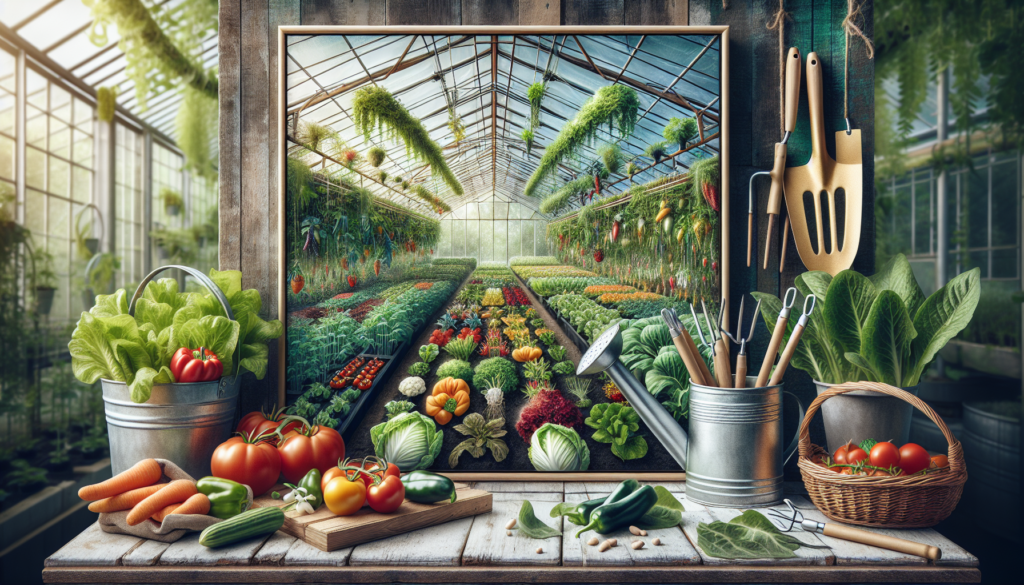
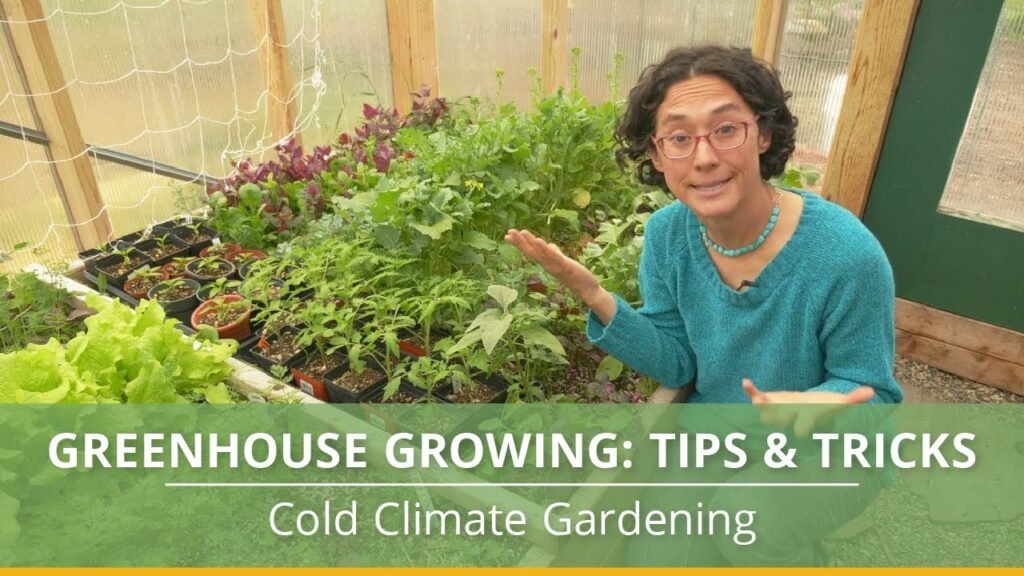
If you are looking to learn how to grow vegetables in a greenhouse, then you are in the right place! In this video by Broken Ground, permaculture expert Kareen Erbe shares valuable tips for greenhouse gardening in cold climates. From using rainwater to attracting pollinators and proper ventilation, Kareen covers everything you need to know to succeed in growing veggies in a greenhouse. So whether you are a beginner or thinking about gardening in the winter, Kareen’s expertise will guide you towards a successful harvest.
As a master gardener, Kareen Erbe is dedicated to helping people in cold climates grow their own food to live healthier, more sustainable lives. Through her various programs and consultations, Kareen aims to empower individuals to connect with their community and provide safe and healthy food for their families. If you want to learn more about greenhouse gardening in cold climates, Kareen’s tips and techniques are sure to inspire and guide you on your gardening journey.
Benefits of Growing Vegetables in a Greenhouse
Growing vegetables in a greenhouse comes with numerous benefits that can enhance your gardening experience.
Extended Growing Season
One of the main advantages of using a greenhouse for vegetable cultivation is the extended growing season it offers. By providing a controlled environment, a greenhouse enables you to start planting earlier in the spring and continue growing well into the fall. This extended season allows you to harvest fresh produce for a longer period, ultimately maximizing your yield.
Protection from Harsh Weather Conditions
Greenhouses offer protection from unpredictable weather conditions such as frost, heavy rains, or strong winds. By shielding your plants from these harsh elements, you can ensure their safety and health, leading to better growth and productivity.
Controlled Environment for Optimal Growth
A greenhouse provides a controlled environment where you can regulate factors like temperature, humidity, and light exposure. This controlled setting allows you to create the optimal conditions for your vegetables to thrive and reach their full potential. By managing these variables, you can ensure that your plants receive the right amount of nutrients and care for healthy growth.
Essential Tools and Equipment for Greenhouse Gardening
To successfully grow vegetables in a greenhouse, you need the right tools and equipment to maintain a conducive environment for your plants.
Heating Systems
During colder months or in regions with low temperatures, a heating system is essential to keep your greenhouse warm and ensure the plants’ survival. Greenhouse heaters, radiant heating systems, or even simple heat lamps can help maintain the desired temperature for your vegetables.
Ventilation Fans
Proper ventilation is crucial in a greenhouse to remove excess heat, humidity, and stale air. Ventilation fans help circulate fresh air, prevent overheating, and regulate the greenhouse’s internal climate. Investing in quality fans can contribute to healthier plants and improved growth.
Watering Systems
An efficient watering system is necessary to ensure that your vegetables receive an adequate amount of water without under or over-watering them. Drip irrigation systems, soaker hoses, or automatic watering systems can help maintain proper moisture levels in the soil and promote consistent growth for your plants.
Choosing the Right Vegetables for Greenhouse Cultivation
Selecting the right vegetables for greenhouse cultivation is essential to maximize your yield and ensure successful growth.
Consider Climate and Temperature Requirements
Different vegetables have specific climate and temperature requirements for optimal growth. Before choosing which vegetables to plant in your greenhouse, consider your region’s climate and select varieties that thrive in the conditions provided by your greenhouse.
Selecting High-Yield Varieties
When growing vegetables in a limited space like a greenhouse, opting for high-yield varieties can maximize your harvest. Choose vegetables that are known for producing a significant amount of produce per plant, ensuring a bountiful supply for your kitchen.
Understanding Sunlight Needs
Sunlight is a crucial factor in plant growth, so it’s essential to understand the sunlight requirements of the vegetables you intend to cultivate in your greenhouse. Be mindful of positioning your plants to receive adequate sunlight throughout the day to promote healthy photosynthesis and robust growth.
Maintaining Proper Moisture Levels in the Greenhouse
Maintaining proper moisture levels in your greenhouse is vital to the health and growth of your vegetables.
Importance of Watering Schedule
Establishing a regular watering schedule based on your plants’ needs is crucial to prevent under or overwatering. Consistency in watering helps maintain optimal soil moisture levels, ensuring that your plants have access to the water they need to thrive.
Humidity Control Techniques
Proper humidity levels are essential for plant growth but excessive humidity can lead to issues like mold or mildew. Implementing humidity control techniques such as using a dehumidifier or proper ventilation can help regulate moisture levels within your greenhouse.
Avoiding Overwatering
Overwatering can be detrimental to your plants, causing root rot and other water-related issues. Monitor the moisture levels in the soil and ensure proper drainage to avoid waterlogging. A balance between watering enough to keep the soil moist but not saturated is key to healthy plant growth.
Utilizing Natural Resources for Greenhouse Gardening
Incorporating natural resources into your greenhouse gardening practices can benefit both your plants and the environment.
Rainwater Harvesting Techniques
Utilizing rainwater as a water source for your greenhouse can help reduce water usage and costs. Install a rainwater collection system to gather and store rainwater, ensuring a sustainable water supply for your plants.
Composting for Soil Enrichment
Composting organic materials like kitchen scraps, yard waste, and plant debris can create nutrient-rich compost to enhance soil fertility in your greenhouse. Adding compost to your soil promotes healthy plant growth and reduces the need for synthetic fertilizers.
Attracting Beneficial Insects for Pest Control
Encouraging beneficial insects like ladybugs, lacewings, or predatory mites to thrive in your greenhouse can help control pest populations naturally. Avoiding the use of harmful pesticides and providing a hospitable environment for beneficial insects can contribute to a balanced ecosystem in your greenhouse.
Implementing Sustainable Practices in Greenhouse Gardening
Adopting sustainable practices in greenhouse gardening not only benefits the environment but also promotes long-term productivity in your garden.
Organic Pest Control Methods
Using organic pest control methods such as companion planting, beneficial insects, or biological pesticides can help manage pest issues without harming the environment. These natural approaches protect your plants while preserving the ecosystem balance in your greenhouse.
Crop Rotation Strategies
Practicing crop rotation in your greenhouse can prevent soil depletion, minimize pest infestations, and improve plant health. By rotating crops each season, you can maintain soil fertility, reduce disease pressure, and optimize plant growth.
Utilizing Companion Planting Techniques
Companion planting involves growing different plants together to benefit each other in various ways. Choosing companion plants that support each other’s growth, repel pests, or attract beneficial insects can improve plant health and overall productivity in your greenhouse.
Maximizing Space in the Greenhouse for Efficient Plant Growth
Efficient space utilization is key to maximizing plant growth and productivity in your greenhouse.
Vertical Gardening Ideas
Vertical gardening allows you to grow plants upwards on structures like trellises, poles, or hanging baskets to maximize space. By utilizing vertical space, you can grow more plants in a smaller footprint, increasing your overall yield.
Utilizing Hanging Baskets and Shelves
Hanging baskets and shelves provide additional space for growing plants in your greenhouse. Hanging baskets can be used for trailing plants or vines, while shelves can accommodate smaller pots or seedlings, optimizing space for a diverse range of vegetables.
Creating Planting Schedules for Continuous Harvest
Developing planting schedules that stagger the growth of different vegetable varieties can ensure a continuous harvest throughout the season. By strategically planning when to plant seeds or seedlings, you can enjoy a consistent supply of fresh produce from your greenhouse.
Understanding Greenhouse Ventilation and Air Circulation
Proper ventilation and air circulation are essential for maintaining a healthy growing environment in your greenhouse.
Importance of Proper Airflow
Good airflow helps regulate temperature, humidity, and gas exchange within the greenhouse, promoting healthy plant growth. Proper ventilation prevents stagnant air, reduces the risk of pests and diseases, and ensures that your plants receive an adequate supply of fresh air.
Installing Fans and Vents
Installing fans and vents in your greenhouse can improve air circulation and prevent hot spots or moisture buildup. Fans help move air around the greenhouse, while vents allow for the exchange of indoor and outdoor air, maintaining a balanced climate for your plants.
Monitoring Temperature and Humidity Levels
Regularly monitoring temperature and humidity levels in your greenhouse is crucial to adjust ventilation settings accordingly. Use a thermometer and a hygrometer to track environmental conditions and make informed decisions about when to open vents, run fans, or adjust heating systems for optimal plant growth.
Tips for Attracting Pollinators to Your Greenhouse
Pollinators play a vital role in greenhouse gardening by facilitating the reproduction of flowering plants.
Planting Pollinator-Friendly Flowers
Including pollinator-friendly flowers like bee balm, lavender, or sunflowers in your greenhouse can attract bees, butterflies, and other beneficial insects. These flowers provide a food source for pollinators and encourage them to visit your vegetable plants, enhancing pollination and fruit production.
Using Beehives or Mason Bee Houses
Installing bee hives or mason bee houses near your greenhouse can attract pollinators like honeybees or native bees. These pollinators play a crucial role in transferring pollen between plants, leading to increased fruit set and improved seed production in your vegetables.
Avoiding Pesticides Harmful to Pollinators
Avoiding the use of chemical pesticides that harm pollinators is essential to protect the beneficial insects in your greenhouse. Opt for organic pest control methods or natural alternatives to manage pests without risking the health of pollinators in your garden.
Conclusion
In conclusion, growing vegetables in a greenhouse can be a rewarding and sustainable practice when implemented with the right knowledge and techniques. By considering factors like climate, sunlight, moisture, and air circulation, you can create an optimal environment for your plants to flourish year-round. Incorporating natural resources, sustainable practices, and efficient space utilization can further enhance the success of your greenhouse gardening endeavors. With these helpful tips in mind, you can establish a thriving greenhouse that provides a bountiful harvest of fresh and healthy produce for you and your family to enjoy.