
You are about to embark on a journey into the world of terrace gardening and shade house design. In this article, we will explore DIY gardening ideas for creating a shade house, the benefits of using shade house in terrace gardening, different colors and percentages of shadenets, as well as tips on planning, designing, and constructing a shade house at home. We will also discuss the importance of site selection, orientation, and materials like Mild Steel (MS) for framing, along with maintenance tips for anti-rust treatment and the cost of shadenet cloth and MS framing.
If you are a hobby gardener or interested in growing plants, this article is for you. Learn how to create an appropriate microclimate for your plants, enhance proper growth and development, and protect them from natural weather disturbances. Dive into the world of shade house gardening and discover the endless possibilities for your terrace garden.
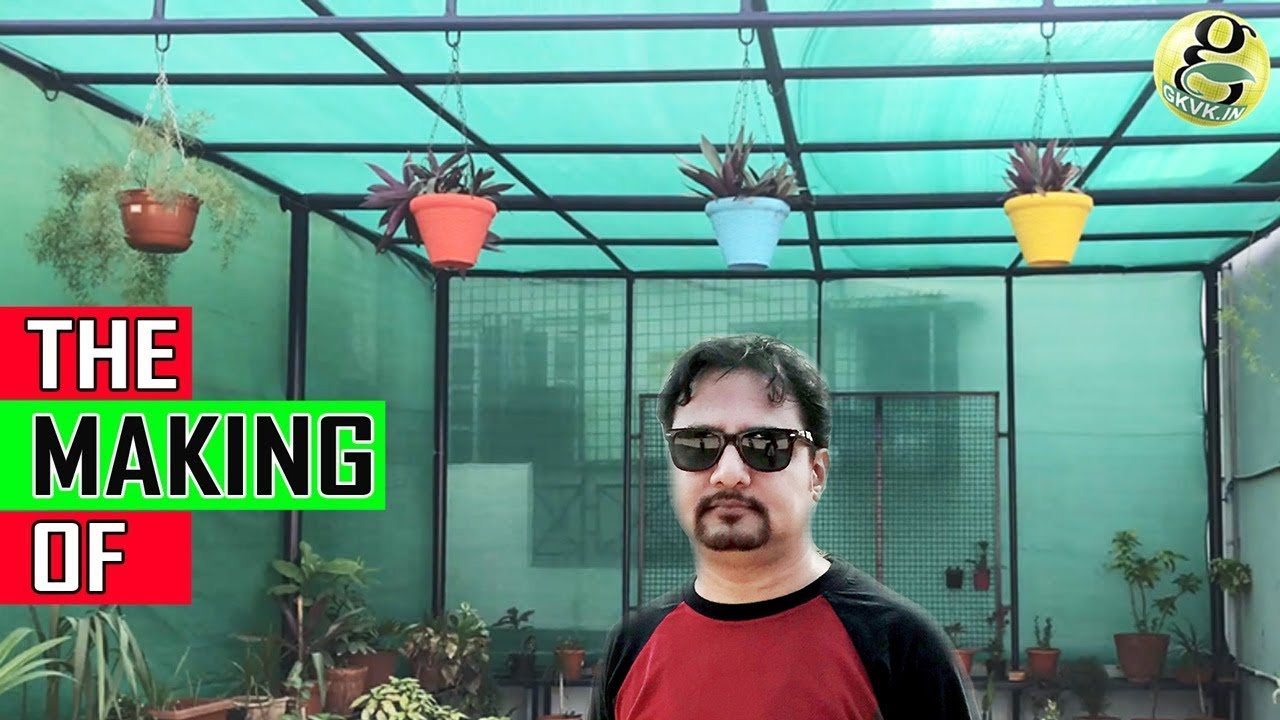
DIY Gardening Ideas for designing Shade House
If you are looking to create a budget-friendly shade house design for your gardening needs, considering incorporating recycled materials for sustainability can be a great idea. This not only helps in reducing costs but also contributes to environmental conservation. Additionally, adding personal touches with decorative elements can make your shade house unique and reflect your style.
Benefits of Shade House in terrace gardening
A shade house provides protection from harsh sunlight and extreme weather conditions, creating a controlled environment for optimal plant growth. By extending the growing season for plants, a shade house can help you cultivate a variety of plants throughout the year, regardless of the external climate.
Different colors and percentages of shadenets
Understanding the effect of different colors on light diffusion is crucial when selecting shadenets for your shade house. Choosing the appropriate shadenet percentage based on plant requirements ensures that your plants receive the right amount of sunlight for healthy growth. By enhancing the aesthetic appeal of the shade house with the right color selection, you can create a visually appealing space for your plants.
How to plan, design, and construct a Shade House at home
Developing a detailed plan based on available space and plant species is essential for the successful construction of a shade house. Selecting suitable materials for the frame and shadenet is crucial for ensuring the durability and functionality of the structure. By following a step-by-step construction process, you can create a sturdy and functional shade house that meets your gardening needs.
Importance of site selection and orientation
Determining the ideal location for maximum sunlight exposure is key to the success of your shade house. Considering factors like wind direction and drainage can help create an optimal environment for plant growth. Ensuring proper ventilation and circulation within the shade house is important for maintaining a healthy growing environment for your plants.
Materials like Mild Steel (MS) for framing
Using Mild Steel for framing provides a durable and reliable structure for your shade house. Customizing the frame design to accommodate different shadenet configurations can help optimize the functionality of the structure. By maintaining the structural integrity of the shade house with quality materials, you can ensure its longevity and effectiveness in protecting your plants.

Maintenance tips for anti-rust treatment
Applying rust-resistant coatings to protect the MS frame from corrosion is essential for maintaining the durability of your shade house. Regular inspection and cleaning can help prevent rust formation and extend the lifespan of the structure. By following proper maintenance practices, you can ensure that your shade house remains in good condition for years to come.
Cost of shadenet cloth and MS framing
Factors influencing the cost of shadenet cloth, such as size and quality, can impact your budget for constructing a shade house. Comparing prices for MS framing based on design complexity and material thickness can help you plan for additional expenses like installation and maintenance. By budgeting carefully, you can create a functional shade house that meets your gardening needs without breaking the bank.
Uses of Shade House in gardening and farming
A shade house can provide a microclimate for sensitive plants to thrive, protect crops from pests and diseases, and increase crop yield and quality. By creating a controlled environment, a shade house can help you grow a variety of plants and ensure their health and productivity. Whether you are a hobby gardener or a commercial farmer, a shade house can be a valuable asset in your gardening and farming endeavors.